 EN
EN
Design of hotel building facade lighting engineering
Design of hotel building facade lighting engineering by BEAU Lighting - lighting engineering project factory-direct from Guzhen, China. 5-year warranty, OEM/ODM accepted.
- Overview
- Recommended Products
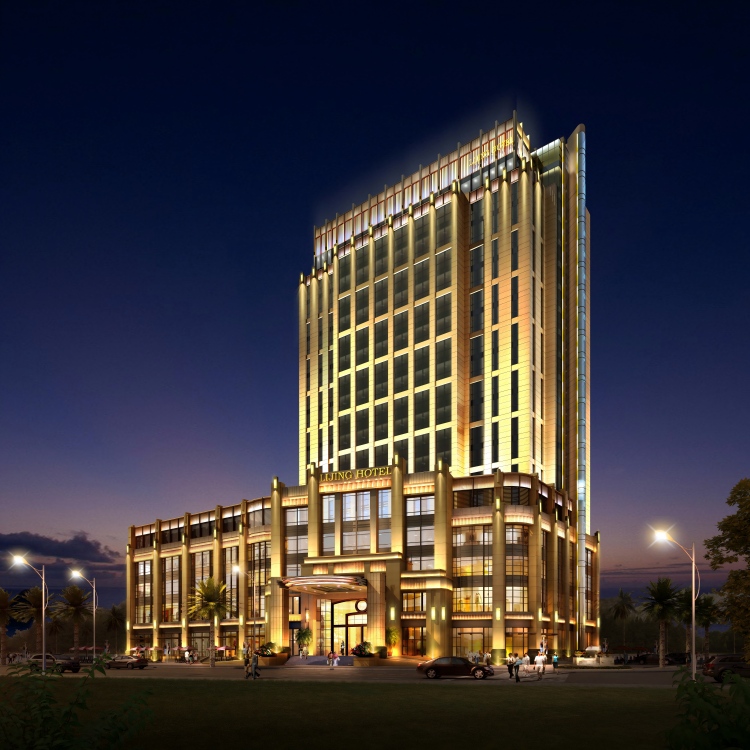
A good lighting design for the exterior facade of a hotel building can make it more prominent and eye-catching, thereby enhancing the hotel's image and quality. By cleverly utilizing lighting elements, a unique atmosphere and style can be created, allowing people to feel the charm of the hotel from a distance. The lighting design of the hotel building facade needs to match the overall style. Different hotels have different styles and characteristics, so these factors need to be considered when designing lighting to ensure that the lighting design is coordinated with the overall style. Therefore, designers need to choose appropriate lighting schemes based on the characteristics and positioning of the building.
Secondly, we need to consider the environment and atmosphere at night. The exterior lighting design of hotel buildings should not only meet basic lighting needs, but also create a comfortable, warm, romantic or unique nighttime environment. This may require precise control through factors such as color, brightness, direction, and rhythm of the lighting. At the same time, designers also need to consider the impact of the surrounding environment and other building lighting effects, as well as the influence of weather conditions on lighting effects. The lighting design of hotel building facades can provide visitors with a better visual experience. Appropriate lighting can make buildings more three-dimensional and also make the details on the surface of the building clearer and more visible. In this way, tourists can better appreciate the beauty and uniqueness of the architecture.
When designing the exterior lighting of hotel buildings, energy conservation and environmental protection issues also need to be considered. With the increasing awareness of environmental protection in society, energy conservation and environmental protection have become important principles in architectural design. For the exterior lighting design of hotel buildings, this means that we need to choose lighting equipment and technologies that can effectively utilize energy, reduce light pollution, and are harmless to human health. For example, we can use LED lights because they have advantages such as high efficiency, long lifespan, and low heat emissions; At the same time, we can also achieve intelligent management of lighting through timed switches, induction control, and other methods, thereby further reducing energy consumption. Overuse of energy not only increases the operating costs of enterprises, but also has adverse effects on the environment.
FAQ
1. What is the Design of hotel building facade lighting engineering?
Answer: The Design of hotel building facade lighting engineering is a Commercial Lighting fixture produced by BEAU Lighting in Guzhen, Zhongshan, China. It is available for OEM/ODM orders with a 5-year warranty and factory-direct delivery to the US and EU. Contact us for full specifications, finish options and project pricing.
2. Can this light be customized for my project?
Answer: Yes. Size, finish, color temperature, wattage and logo printing can be customized, with OEM and ODM production for your own brand. Share your drawings or reference links and we will quote within 24 hours.
3. What certification do the lights carry?
Answer: Products are manufactured to CE and RoHS standards with UL/ETL-compliant components available for the North American market; test reports and certification documents are provided with project orders.
4. What warranty does BEAU Lighting offer?
Answer: Every BEAU Lighting product ships with a 5-year warranty, compared with the 2-3 years typically offered in this industry.
5. Where is your factory and which markets do you serve?
Answer: Our factory is in Guzhen, Zhongshan, Guangdong - the lighting capital of China. With 15+ years of manufacturing experience, we ship factory-direct mainly to North America and Europe.
6. What are your payment terms and how do I get a quote?
Answer: Payment terms are T/T with a 30%-50% deposit. Send your project drawings or product links through the contact form on beaulighting.com and our sales team replies with a quotation.
Key Buying Info: 5-year warranty | OEM/ODM customization | CE/RoHS standard build | Factory-direct from Guzhen, Zhongshan, China | MOQ: [MOQ] pcs - contact sales | Markets: US & EU