 EN
EN
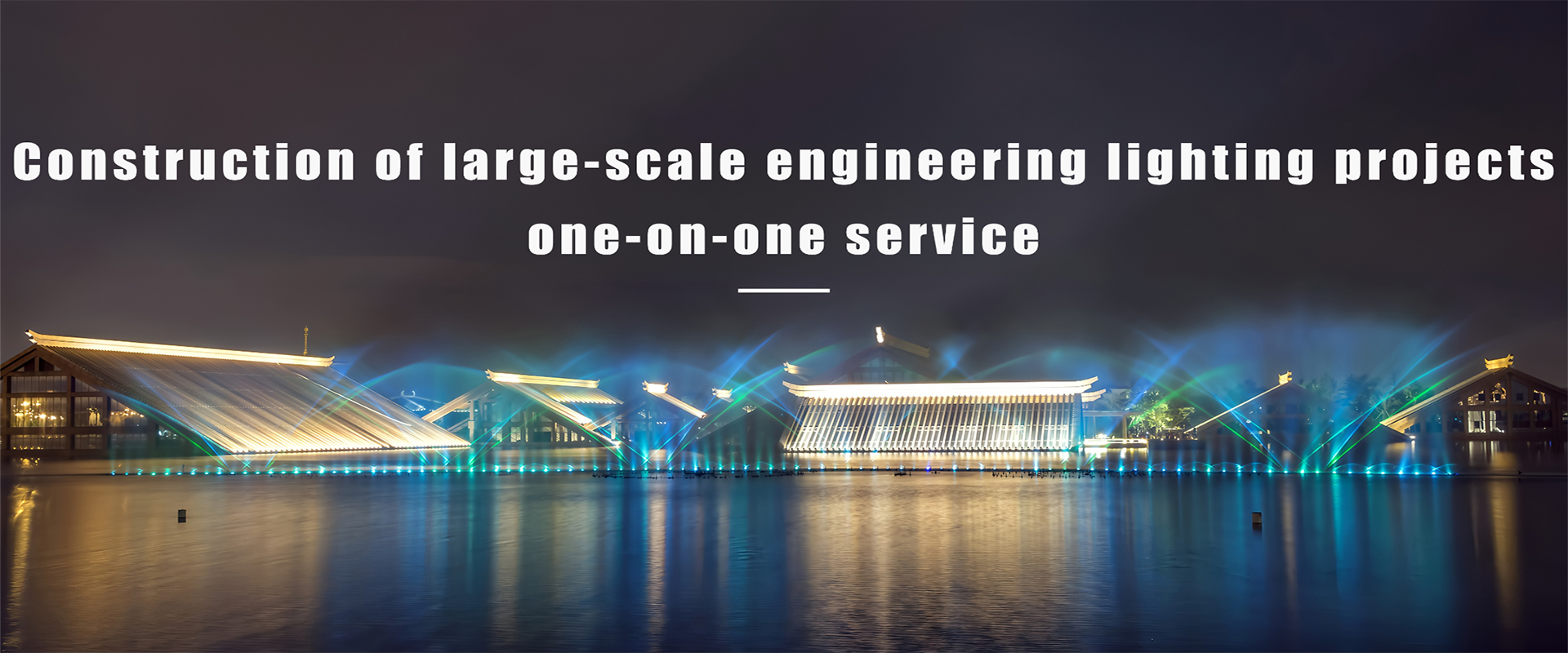
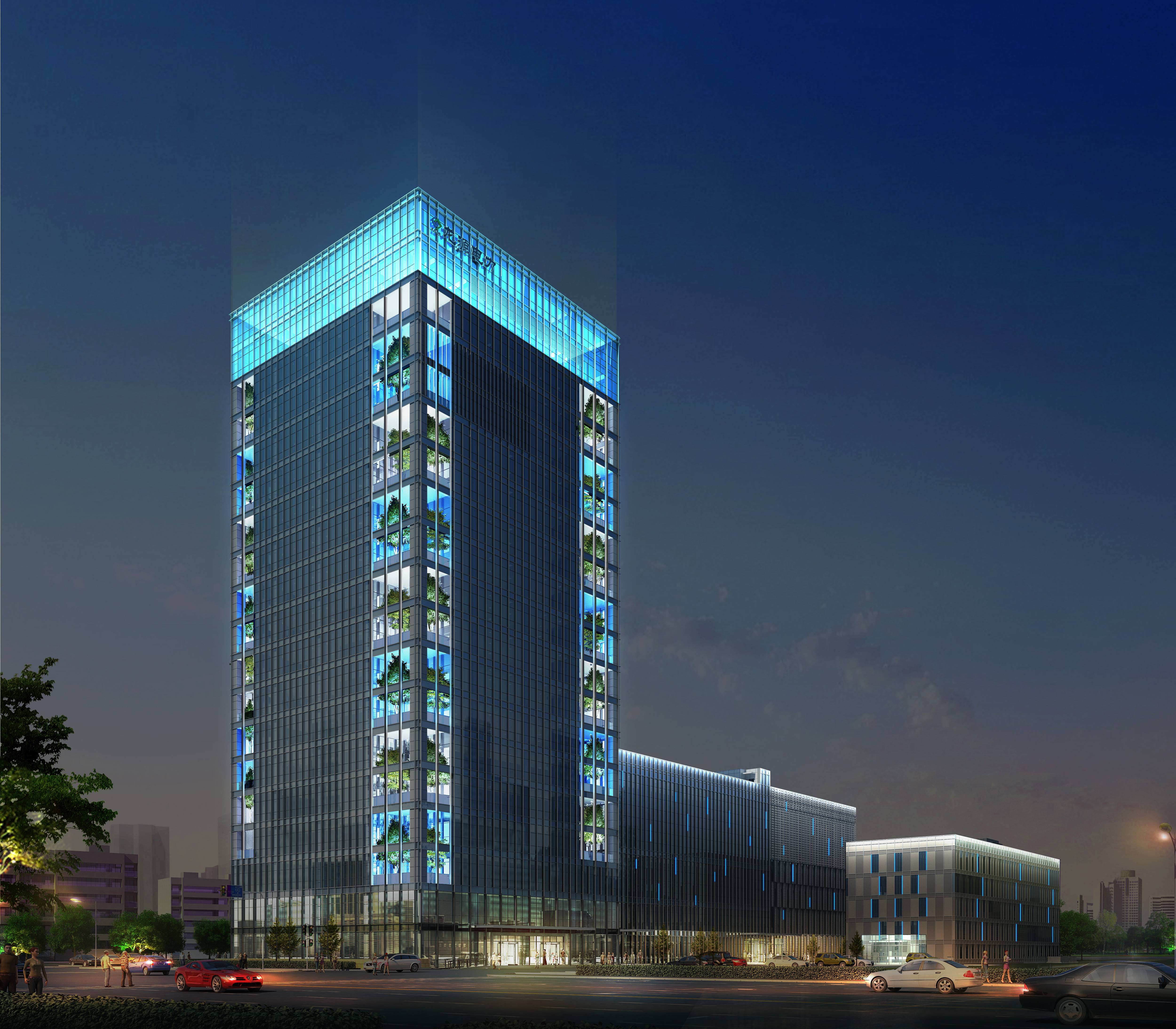
Architectural lighting design, specializing in providing services for buildings, office buildings, squares, urban areas, commercial areas, streets, landscapes, lighting, illumination, lighting, design, and engineering
Architectural lighting design, specializing in providing services for by BEAU Lighting - lighting engineering project factory-direct from Guzhen, China. 5-year warranty, OEM/ODM accepted.
- Overview
- Recommended Products
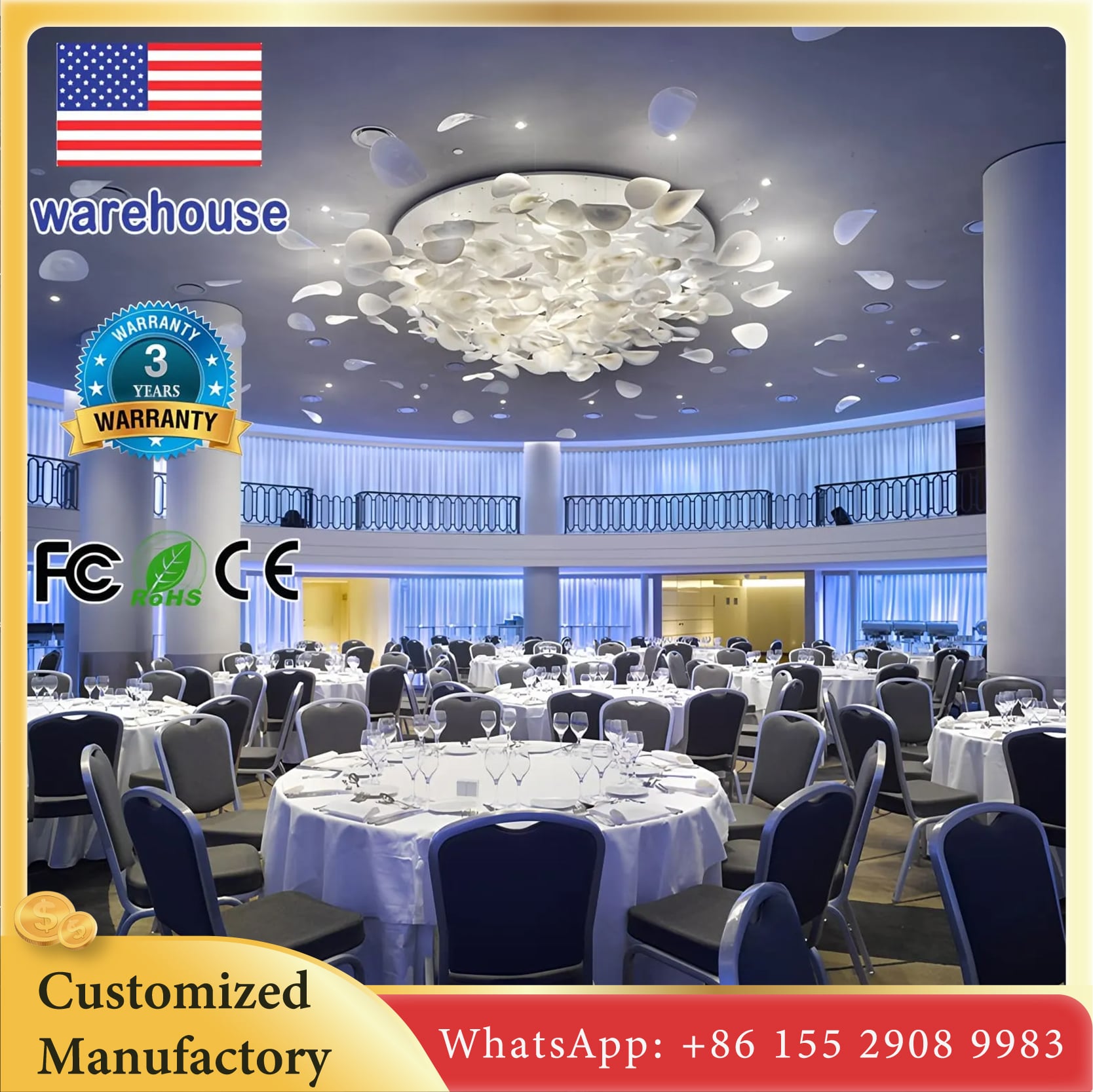
Firstly, the color temperature of light plays a crucial role in floodlighting design. Color temperature refers to the color representation of light, usually expressed in Kelvin (K). In floodlighting design, choosing a reasonable color temperature can make the space more comfortable and pleasant. For example, using cool light with a higher color temperature can make the space appear refreshing and bright, suitable for places such as offices and commercial spaces that require increased vitality and focus. Lower color temperature warm light can create a warmer and more comfortable atmosphere, suitable for use in spaces such as homes and restaurants. Therefore, selecting the appropriate color temperature according to different spatial requirements and functions in floodlighting design can effectively improve spatial quality.
Secondly, the brightness of light is also an important factor affecting the quality of space. Brightness not only affects people's overall perception of space, but also directly affects their activities and visual experience in the space. Appropriate brightness can enhance the brightness and clarity of a space, making people feel more comfortable and pleasant in the space. In floodlighting design, brightness should be selected reasonably based on the size, function, and usage requirements of the space. For example, in public areas and office spaces, high brightness is required to provide sufficient lighting; In leisure areas and home spaces, moderate brightness can create a more warm and relaxed atmosphere. Therefore, through scientific brightness design, the quality and user experience of the space can be effectively improved.
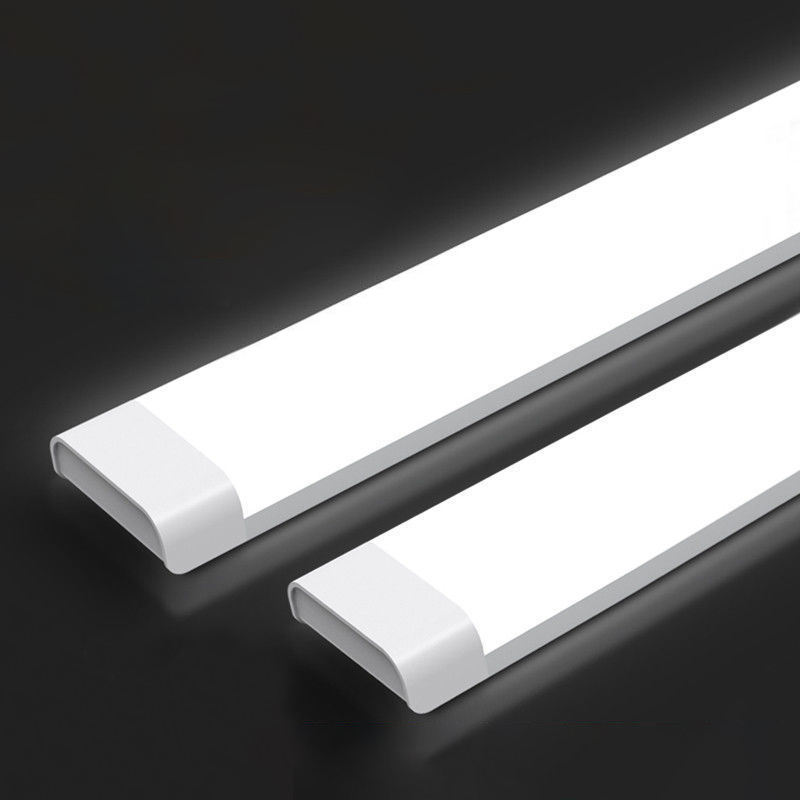
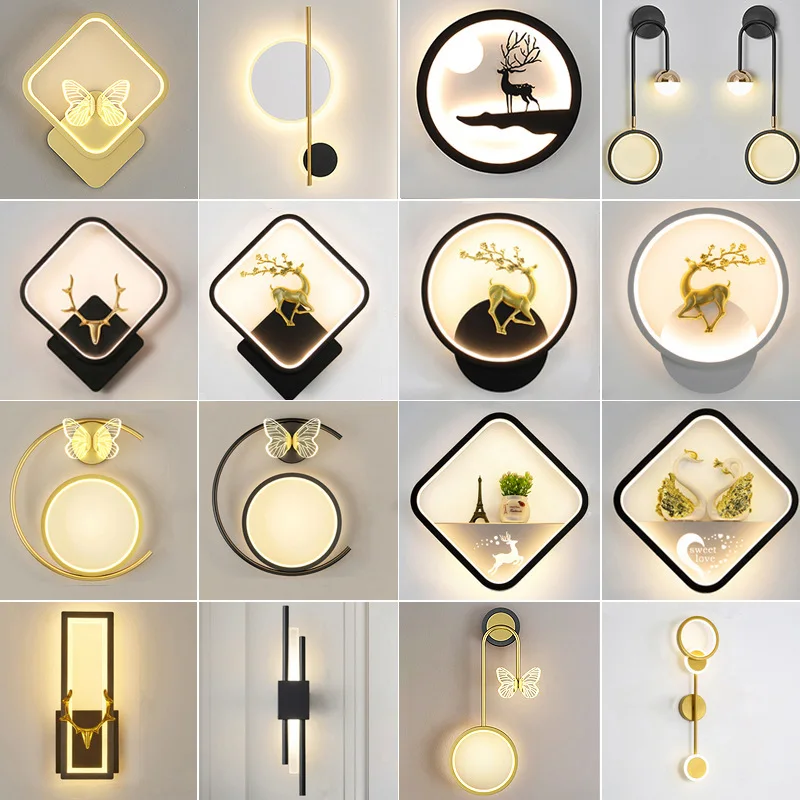
In addition, the arrangement of lighting also plays a crucial role in floodlighting design. The arrangement of lighting not only affects the uniformity and distribution of light, but also creates different spatial atmospheres and focal points. In floodlighting design, multiple combinations and layouts of lighting fixtures can be used to achieve different effects. For example, by using uniformly arranged lighting fixtures, a uniform distribution of spatial light can be achieved; By using special lighting fixtures such as spotlights or wall lights, it is possible to illuminate a specific area or object in a targeted manner, highlighting its importance. In addition, different effects can be achieved by adjusting the brightness and color temperature of the lights. Through careful lighting arrangements, diverse lighting effects can be brought to the space, enhancing people's perception and experience of the space.
In addition to color temperature, brightness, and lighting arrangement, there are also other factors that need to be considered in flood lighting design. For example, choosing the color and shape of lighting fixtures reasonably, avoiding light reflection and glare, reducing electromagnetic radiation, etc. In addition, attention should be paid to the selection and production quality of lighting fixtures to ensure their service life and performance stability. In short, floodlighting design is a comprehensive task that requires comprehensive consideration of the color temperature, brightness, lighting arrangement, and other factors of light to achieve an improvement in spatial quality.
In summary, floodlighting design plays an important role in improving spatial quality. By selecting color temperature reasonably, controlling brightness, carefully arranging lighting, and considering other factors, comfortable, pleasant, and distinctive lighting effects can be created to enhance the quality and user experience of the space. Therefore, when designing floodlighting, it is necessary to choose a suitable lighting scheme based on the needs and functions of the space to achieve the desired spatial effect.
FAQ
1. What is the Architectural lighting design, specializing in providing services for buildings, office bu?
Answer: The Architectural lighting design, specializing in providing services for buildings, office buildings, squares, urban areas, commercial areas, streets, landscapes, lighting, illumination, lighting, design, and engineering is a Commercial Lighting fixture produced by BEAU Lighting in Guzhen, Zhongshan, China. It is available for OEM/ODM orders with a 5-year warranty and factory-direct delivery to the US and EU. Contact us for full specifications, finish options and project pricing.
2. Can this light be customized for my project?
Answer: Yes. Size, finish, color temperature, wattage and logo printing can be customized, with OEM and ODM production for your own brand. Share your drawings or reference links and we will quote within 24 hours.
3. What certification do the lights carry?
Answer: Products are manufactured to CE and RoHS standards with UL/ETL-compliant components available for the North American market; test reports and certification documents are provided with project orders.
4. What warranty does BEAU Lighting offer?
Answer: Every BEAU Lighting product ships with a 5-year warranty, compared with the 2-3 years typically offered in this industry.
5. Where is your factory and which markets do you serve?
Answer: Our factory is in Guzhen, Zhongshan, Guangdong - the lighting capital of China. With 15+ years of manufacturing experience, we ship factory-direct mainly to North America and Europe.
6. What are your payment terms and how do I get a quote?
Answer: Payment terms are T/T with a 30%-50% deposit. Send your project drawings or product links through the contact form on beaulighting.com and our sales team replies with a quotation.
Key Buying Info: 5-year warranty | OEM/ODM customization | CE/RoHS standard build | Factory-direct from Guzhen, Zhongshan, China | MOQ: [MOQ] pcs - contact sales | Markets: US & EU