إضاءة ليد مخصصة عالية الكفاءة وحلول تحكم ذكية في الإضاءة
بيولايتنغ (تشونغشان) لتكنولوجيا الإضاءة المحدودة
مصادر إضاءة مخصصة عالية الكفاءة · كفاءة تحويل السائق ٩٥٪ · حلول توفير الطاقة على مستوى النظام · ٢٠ قطاع تطبيقي · ٢٥ بروتوكول تحكم ذكي
عن شركة Beaulighting
شركة بيولايتنق (تشونغشان) لتكنولوجيا الإضاءة المحدودة هي شركة مصنِّعة متخصصة في تركيبات الإضاءة LED المخصصة عالية الكفاءة وحلول التحكم الذكية في الإضاءة، وتخدم البيئات ذات الاستهلاك العالي في القطاعات التجارية والصناعية والبلدية والرياضية والزراعية ومراكز البيانات.
نموذج التسليم لدينا يرتكز على التخصيص وليس على كتالوج ثابت. ويقوم العملاء بتكوين تركيبات الإضاءة عبر ثمانية أبعاد — الكفاءة، ودقة عرض الألوان، ودرجة حرارة اللون، وتوزيع الخصائص الضوئية، ومستوى الحماية من الغبار والماء، وهيكلية السائق، وواجهة التحكم، والتصميم القابل للصيانة — مع الحصول على دعم شامل من مرحلة مسح الموقع وتصميم الحلول، ومروراً بالتحقق من العينات، ووصولاً إلى الصيانة طويلة الأمد.
تفاصيل المنتج
اسم الشركة: بيولايتنق (تشونغشان) لتكنولوجيا الإضاءة المحدودة
العلامة التجارية: بيولايتنق
نطاق الأعمال: وحدات إضاءة ليد مخصصة عالية الكفاءة، وأنظمة تحكّم ذكية في الإضاءة، وحلول تجديد أنظمة الإضاءة لتوفير الطاقة
نماذج الخدمة: الشراء المباشر / عقد إدارة الطاقة (EMC) / الإضاءة كخدمة (LaaS)
الأسواق المستهدفة: أوروبا، أمريكا الشمالية، الشرق الأوسط، جنوب شرق آسيا، جنوب آسيا، أمريكا اللاتينية، أفريقيا
الموقع الإلكتروني beaulighting.com
البريد الإلكتروني: [email protected]
واتساب / هاتف +86 138 1840 3203
شهادات المنتج: CE، RoHS، ETL، وتتوافر تقرير اختبار UL (ترسل أرقام الشهادات عند الطلب)
قاعدة التصنيع والطاقة الإنتاجية السنوية: قاعدة التصنيع في بلدة غوزهن، مدينة تشونغشان، مقاطعة قوانغدونغ، الصين؛ القيمة الإنتاجية السنوية تبلغ نحو ٢٫٥ مليار يوان صيني
المواصفات الفنية الأساسية الأربعة
٢٫١ درجات الكفاءة: تُضبط وفق ظروف المشروع
نقدّم حلولاً لمصادر الإضاءة ضمن أربع درجات كفاءة، ما يتيح للعملاء الاختيار وفقاً لمستويات أسعار الكهرباء والفترة المطلوبة لاسترداد الاستثمار.
درجة الكفاءة: حالة التسليم، التطبيقات النموذجية
١٣٠–١٨٠ لومن/واط: سلسلة منتجات قياسية، متوفرة للتسليم السريع بكميات كبيرة. ورش عمل صناعية عامة، مستودعات، مواقف سيارات تحت أرضية
١٨٠–٢١٠ لومن/واط: سلسلة منتجات قياسية وطلبات مخصصة. مجمعات تسوق، أبراج مكاتب، مدارس، مستشفيات
٢١٠–٢٣٠ لومن/واط: سلسلة مخصصة عالية الكفاءة؛ والقيم المقدمة تُؤكَّد بتقرير فحص من جهة خارجية. مشاريع تحمل تسمية الطاقة من الفئة أ في الاتحاد الأوروبي، إضاءة الطرق البلدية الرئيسية، ملاعب رياضية
٢٣٠–٢٨٠ لومن/واط: سقف تقني مُحقَّق في المختبر؛ وليس التزامًا بالإنتاج الجماعي. يُمكن تطوير حلول مخصصة حسب المشروع عند الطلب. المناطق ذات التعريفات المرتفعة، مراكز البيانات، المواقع الخارجة عن الشبكة الكهربائية
نقطتان في بيانات الكفاءة يجب على العملاء أخذهما في الاعتبار عند تحديد المواصفات الفنية للمنتجات:
أولاً، يعتمد الكفاءة الأعلى من ٢٣٠ لومن/واط على ظروف تشغيل التيار المنخفض. ونطبّق استراتيجية تصميم «حصان كبير وعربة صغيرة»: أي خفض تيار التشغيل المُزوَّد لكل وحدة إل إي دي يرفع الكفاءة، ويقلّل درجة حرارة الوصلة، ويمدّد عمر الخدمة ليتجاوز خمس سنوات. ولذلك، نُعيّن مستوى تيار التشغيل أثناء تصميم الحل وفقاً لمتطلبات القدرة الفعلية المقاسة في الموقع، وليس وفقاً لرقم قمة.
ثانياً، تكون كفاءة وحدة الإضاءة المقاسة عادةً أقل بنسبة ٢٠٪–٣٠٪ من الكفاءة الاسمية لوحدات إل إي دي الموجودة داخلها. وهذه سمة موضوعية في قطاع الإضاءة. وتعتمد جميع عروض الأسعار ووثائق الحلول لدينا على قيم كفاءة وحدة الإضاءة المقاسة، وليس على الأرقام النظرية على مستوى الوحدات، لضمان عدم حدوث أي نزاع حول الكفاءة عند تسليم المشروع.
٢.٢ كفاءة المحرك ٩٥٪ وتغذية تيار مستمر مركزية
تبلغ كفاءة تحويل السائق لدينا ٩٥٪. والمتطلب الصناعي السائد هو الحد الأدنى من ٩٠٪، لذا فإن نسبة ٩٥٪ تُقرّب الفاقد في مرحلة إمداد الطاقة من أدنى حد عملي له.
ويتضح قيمة هذه النسبة في سياق إجمالي الفاقد في النظام: فالمعماريّات المنفصلة التقليدية تفقد ما يقارب ٧٪–٩٪ من الطاقة أثناء التحويل، ما يجعل نظام الإمداد ثاني أكبر مصدر للفاقد بعد الفاقد الحراري عند مصدر الضوء. وفي المنشآت التي تعمل ٢٤ ساعة يوميًّا — كالمستودعات ومخازن التبريد ومراكز البيانات — فإن فرق الخمس نقاط المئوية في كفاءة السائق يتراكم على مدى عمر المنتج ليشكّل فرقًا كبيرًا في تكلفة الكهرباء.
معمارية الإمداد / الأثر التوفيري في استهلاك الطاقة / الظروف الملائمة للتطبيق
سائق عالي الكفاءة لمصباح واحد (بنطاق غير معزول / تذبذبي LLC) بكفاءة تحويل ٩٥٪ / إعادة تجهيز المباني القائمة؛ دون الحاجة إلى إجراء أي تغييرات على نظام التوزيع
تزويد تيار مباشر مركزي (250 فولت ±20 فولت تيار مباشر): وفورات إضافية تتراوح بين ١٥٪ و٢٠٪ فوق كفاءة محركات التشغيل العالية، بالإضافة إلى تحسين السلامة الكهربائية. ينطبق هذا على المشاريع الجديدة أو عمليات التحديث حيث يمكن تعديل نظام التوزيع؛ وهو متوافق مع أنظمة الألواح الشمسية والتخزين.
يُلغي تزويد تيار مباشر مركزي مرحلة التحويل من تيار متناوب إلى تيار مباشر داخل كل وحدة إضاءة، ويُغذّي وحدات الإضاءة من حافلة تيار مباشر مشتركة، مما يقلل الخسائر التراكمية الناتجة عن التحويل المتعدد المراحل. أما العائق المالي فيتمثل في أن تكلفة معدات توزيع التيار المباشر تساوي تقريبًا ١٫٥ مرة تكلفة معدات توزيع التيار المتناوب المكافئة. ولذلك نوصي باستخدام هذه البنية في المشاريع الجديدة التي تتوفر فيها الشروط اللازمة، واستخدام محركات تشغيل وحدات إضاءة فردية عالية الكفاءة في عمليات التحديث، مع اختيار التوليفة التي تحقق أفضل عائد استثماري للمشروع المحدد.
٢٫٣ وفورات الطاقة على مستوى النظام: ثلاثة مصادر مستقلة
تستند طريقة توفير الطاقة لدينا إلى ثلاثة مصادر مستقلة بعضها عن البعض. ويحق للعميل الذي يعتمدها واحدًا أو اثنين منها فقط أن يحصل على الحصة المقابلة من التوفير.
المصدر الأول — التوفير الناتج عن استبدال مصدر الإضاءة. ويُحقّق استبدال منتجات الصمامات الثنائية الباعثة للضوء القياسية بمنتجات ذات كفاءة عالية وفورات ثانوية كبيرة، حتى في المواقع التي تستخدم فيها بالفعل إضاءة LED. وتتراوح كفاءة وحدات الإضاءة LED عالية الكفاءة بين ١٨٠ و٢٤٠ لومن/واط، وتتراوح نسبة التوفير مقارنةً بمنتجات LED القياسية بين ٢٠٪ و٧٥٪ تقريبًا، وذلك حسب كفاءة المعدات المستبدلة.
المصدر ٢ — الوفورات الناتجة عن التحكم في الفاقد النظامي. تقلّل أربع تدابير هندسية من فاقد النقل: اختيار حزم صمامات ثنائية باعثة للضوء ذات تيار منخفض (فإن الحزمة التي تستهلك ٠٫٢ واط تحقّق كفاءة أعلى من تلك التي تستهلك ١ واط)؛ وتغذية الحزم بتيار أقل من قدرتها الاسميّة، ما يرفع الكفاءة بنسبة ١٠٪–١٥٪؛ واستبدال المُشتتات البلاستيكية المُلبَّدة بمُشتتات عالية النفاذية، ما يرفع الكفاءة بنسبة ١٠٪–١٢٪؛ واستخدام مصادر طاقة عالية الكفاءة ذات تصميم غير معزول أو ذو تردد رنيني من نوع LLC، إلى جانب كفاءة تحويل السائق الكهربائي بنسبة ٩٥٪.
المصدر ٣ — الوفورات الناتجة عن الإدارة الذكية. تقلّل أجهزة الاستشعار والخوارزميات من ساعات الإضاءة غير الضرورية. وتشير البيانات الصناعية المنشورة إلى وفورات مجتمعة تتراوح بين ٦٠٪ و٩٥٪، وتختلف النسبة الفعلية تبعًا لنسبة الساعات التي يبقى فيها المكان غير مشغول.
تأهيل ادّعاء «توفير ٦٠٪ من الطاقة»: تُعَدّ نسبة ٦٠٪ قيمة مستهدفة قابلة التحقيق في معظم السيناريوهات التجارية والصناعية عند تطبيق نهج مدمج يجمع بين «استبدال المعدات ذات الكفاءة العالية» و«تكوين أنظمة التحكم الذكية». وهي ليست ضمانة موحدة تنطبق على جميع المشاريع. أما التوفير الفعلي في أي مشروع معين فيعتمد على أربعة عوامل: كفاءة تركيب الإضاءة القائم، وملف ازدحام الموقع المُقاس فعليًّا، ودرجة تعمُّق تكوين نظام التحكم، وجودة التشغيل والصيانة المستمرين. ونحدّد التوفير الفعلي في كل مشروع باستخدام طريقة القياس المتوازي بالأجهزة القياسية: حيث تُركَّب أجهزة القياس بالتوازي عند نفس النقطة القياسية قبل وبعد عملية التجديد، وتتم قراءتها من قِبل العميل أو جهة خارجية مستقلة، وبالتالي يُبرهن التوفير عبر بيانات الأجهزة القياسية لا عبر تقديرات.
٢٫٤ هندسة المتانة والموثوقية
تكمن التكلفة الحقيقية لمشروع الإضاءة ليس في سعر الشراء، بل في استبدال المعدات وصيانتها. ونعتبر هندسة الموثوقية ذات أولوية مساوية لكفاءة الأداء.
بعد الموثوقية: المشكلات الصناعية الشائعة، ونقاط التحكم في تصميمنا
إدارة الحرارة: يتبدَّد ما نسبته ٤٠٪–٦٠٪ من الطاقة الداخلة عند تحويلها بواسطة صمامات الليد إلى حرارة؛ ويؤدي إزالة الحرارة بشكل غير كافٍ إلى انخفاض الكفاءة. أما في صمامات الليد عالية القدرة، فتتحول نحو ٧٠٪ من الطاقة الداخلة إلى حرارة، وتقترب الترتيبات التقليدية التي تعتمد على قواعد ألمنيومية مع زعانف من سقف مقاومتها الحرارية في وحدات الإضاءة المدمجة. ولذلك، نستخدم هياكل مشتِّتات حرارية من ألومنيوم عالي التوصيلية، وتصاميم أجسام تنبعث منها الإضاءة جانبيًّا لتقليل حساسية مصدر الضوء والمكونات البصرية لدرجة الحرارة، مما يُثبِّت الأداء.
موثوقية مصدر الطاقة: يؤدي الانجراف الحراري إلى فشل مبكر في نسبة من وحدات الإضاءة؛ إذ قد تصل معامل مقاومة التشغيل لترانزستورات MOSFET القياسية إلى ١٠٪ عند درجات الحرارة المرتفعة، مما يؤثر على استقرار السطوع والكفاءة. ويتم اعتماد تصميم بسعة أقل من المطلوب جمعًا مع مرشحات مقاومة-سعة (RC) وتصحيح التيار وحماية أنابيب التوصيل لمنع وصول تيار أو جهد زائد إلى دائرة المشغِّل.
اتساق الوحدات النمطية: تُكوِّن الوحدات النمطية متعددة الرقائق المتصلة على التوازي مناطق ساخنة محلية بسبب تباين الجهد الأمامي. وتتم عملية فرز الحزم حسب الجهد الأمامي وتحسين هيكل توزيع التيار لتقليل جهد التشغيل ورفع الكفاءة والتناسق.
انخفاض التدفق الضوئي والعمر الافتراضي: يُعَد معيار العمر الافتراضي السائد في القطاع هو L80 لمدة لا تقل عن ٥٠٬٠٠٠ ساعة. ويُستمد هذا المعيار من الحد الأدنى الإلزامي في الاتحاد الأوروبي L70/B50 لمدة لا تقل عن ٣٠٬٠٠٠ ساعة، ويمكن تمديده ليصل إلى ٥٠٬٠٠٠–١٠٠٬٠٠٠ ساعة وفقًا لمتطلبات المشروع.
دقة الاستشعار: في ظل التداخل القوي، تفتقر خوارزميات الاستشعار الذكية إلى المتانة؛ وتُفيد تقارير البيانات الصناعية المنشورة بأن معدلات التشغيل الخاطئ تصل إلى ٢٨,٤٪. ويجمع الرادار ذي الموجات الملليمترية مع خوارزميات الذكاء الاصطناعي، المُهيَّأة وفق مستويات التداخل الميدانية، لمنع إخفاق الإضاءة في التشغيل عند الحاجة أو في الإطفاء عند الخلو.
فيما يتعلَّق بالضمان، نقدِّم ضمانًا مدته ٥–١٠ سنوات، مقترنًا بمراقبة عن بُعد عبر السحابة (والمدة الدقيقة تحدَّدها العقود المبرمة). ويماثل هذا المدى الزمني لفترة الضمان دورات العقود المعتادة في المشاريع الأوروبية.
عشرون قطاعًا تطبيقيًّا
٣.١ قائمة القطاعات والوفورات التقديرية
إعدادات مخصصة حسب القطاع — النطاق التقديرى للوفورات — المتطلبات المواصفاتية الأساسية — الفئة الموصى بها من الكفاءة
التجزئة: المراكز التجارية والمجمَّعات — ٤٠٪–٥٩٪ — كثافة طاقة الإضاءة (LPD) لا تتجاوز ٢,١ واط/م² عند شدة إضاءة ٣٠٠ لوكس — ١٨٠–٢١٠ لومن/واط
التجزئة: السوبرماركت وسلسلة المتاجر — ٢٠٪–٧٥٪ (مقارنةً بإضاءة LED القياسية) — ١٨٠–٢٤٠ لومن/واط؛ ومؤشر عائد اللون (CRI) مرتفع لتمثيل دقيق لألوان البضائع — ٢١٠–٢٣٠ لومن/واط
نوافذ ولافتات المتاجر: خاضعة لساعات إطفاء إلزامية، ويجب أن تدعم الإطفاء عن بُعد. كفاءة إضاءة تتراوح بين ١٨٠–٢١٠ لومن/واط
المكاتب: المباني المكتبية بكاملها. توفير طاقة بنسبة ٥٠٪–٧٠٪. ألواح كفاءتها أعلى من ١٩٠ لومن/واط؛ وإصدارات مزودة بالمستشعرات في مناطق المرور. كفاءة إضاءة تتراوح بين ١٩٠–٢٣٠ لومن/واط
المكاتب: المراكز التجارية والمعاهد المهنية. توفير طاقة يصل إلى ٩٢٪، ومُوثَّق عبر قياس متوازٍ بأجهزة عداد. كفاءة إضاءة تتراوح بين ٢١٠–٢٣٠ لومن/واط
التعليم: المدارس والفصل الدراسية. توفير طاقة بنسبة ٢٣,٨٪–٤٣,٨٪. إضاءة خالية من الوميض، مع مؤشر دقة الألوان Ra ≥ ٩٠. كفاءة إضاءة تتراوح بين ١٨٠–٢١٠ لومن/واط
الرعاية الصحية: المستشفيات. توفير طاقة بنسبة ٥٨٪–٦٠٪. إضاءة خالية من الوميض، وعالية المؤشر اللوني (CRI)، ويمكن ضبطها لتتوافق مع فئة الأمان الضوئي RG0. كفاءة إضاءة تتراوح بين ١٨٠–٢١٠ لومن/واط
الثقافة: الصالات الفنية والمساحات الثقافية. توفير طاقة بنسبة ٢٣,٨٪–٤٣,٨٪. اتساق في الألوان، مع مؤشر دقة الألوان Ra ≥ ٩٠. كفاءة إضاءة تتراوح بين ١٨٠–٢١٠ لومن/واط
مرافق الرياضة: الملاعب، وصالات السباحة، وملاعب كرة القدم، والحلبات، ومراكز التنس. توفير طاقة بنسبة ٥٠٪–٧٥٪. إضاءة عمودية تصل إلى ٢٠٠٠ لكْس، ومؤشر دقة ألوان Ra ≥ ٩٠، ومعدل الوهج لا يتجاوز ٣٠، وتصنيف الحماية IP66. كفاءة إضاءة تتراوح بين ١٥٠–٢٢٠ لومن/واط
الصناعة: أرضيات المصانع والمستودعات. توفير طاقة بنسبة ٥٠٪–٧٠٪. تصنيف الحماية IP65/IP66، ومؤشر دقة الألوان Ra ≥ ٨٠. كفاءة إضاءة تتراوح بين ١٨٠–٢٣٠ لومن/واط
الصناعة: ورش النسيج والصناعات الخفيفة. حوالي ٦٧٪. إضاءة متجانسة عالية، وحماية من الغبار. ٢٠٠–٢٣٠ لومن/واط
الصناعة: المخازن الباردة وسلسلة التبريد. حتى ٨٧٪. تشغيل في درجات حرارة منخفضة، ومقاومة للرطوبة والتكثّف. ٢٠٠–٢٣٠ لومن/واط
اللوجستيات: المدن اللوجستية ومراكز التوزيع. ٣٢٪–٣٨٪. أجهزة إضاءة عالية الارتفاع، واستشعار ذكي. ٢٠٠–٢٣٠ لومن/واط
البلدية والنقل: الطرق الحضرية. وفورات مجمعة تزيد على ٧٠٪. المعيار الوطني الصيني، الفئة الأولى «الرائدة» تتطلب لا يقل عن ١٧٠ لومن/واط. ١٧٠–٢٣٠ لومن/واط
البلدية والنقل: الأنفاق ومداخل المترو. ٣٥٪–٤٠٪. إضاءة متجانسة عالية، ومقاومة للوهج، وعمر افتراضي طويل. ١٨٠–٢١٠ لومن/واط
البلدية والنقل: مواقف السيارات تحت الأرض. ٨٠٪–٩٥٪. استشعار راداري ذكي مدعوم بالذكاء الاصطناعي؛ ويمكن خفض متوسط استهلاك الطاقة أثناء التشغيل إلى ٢–٣ واط. ١٨٠–٢٣٠ لومن/واط
البلدية والنقل: المجمعات السكنية والشوارع. حتى ٩٥٪. تحكم فردي لكل وحدة إضاءة، وامتثال لمعايير مكافحة تلوث الضوء. ١٧٠–٢١٠ لومن/واط
الزراعة: البيوت الزجاجية الذكية ومصانع النباتات، واستهلاكها أقل بنسبة ثلث تقريبًا مقارنةً بمصابيح الصوديوم عالي الضغط؛ وكفاءة الفوتون: ٣,١–٤,٦ مايكرومول/جول؛ وطيف قابل للتخصيص؛ وطيف مخصص
مراكز البيانات: غرف المعدات وغرف المنشآت، وتصل الكفاءة إلى ٩٧٪؛ وإضاءة شبه معدومة خلال فترات الغياب؛ وكفاءة تجاوز ٢٣٠ لومن/واط، مع تطوير خاص بكل مشروع
الأنظمة غير المتصلة بالشبكة: مصابيح الشوارع الشمسية، والجزر، ومواقع التعدين؛ مناسبة حيث لا توجد إمدادات كهربائية من الشبكة؛ وبطاريات فوسفات حديد الليثيوم؛ وتكامل بين الألواح الشمسية والتخزين؛ وكفاءة تتراوح بين ١٧٠ و٢٣٠ لومن/واط
نطاقات التوفير المذكورة في الجدول أعلاه مستقاة من مصادر صناعية منشورة وأداء مشاريع تم قياسه فعليًّا باستخدام أساليب تقنية مماثلة. وهي مقدمة لمساعدة العملاء على تقدير نطاق الفوائد المحتملة، ولا تشكل أي التزام بأداء من شركتنا. ويُحدد التوفير الخاص بأي مشروع معين بناءً على دراسة ميدانية وقياس متوازٍ باستخدام عدادات.
٣,٢ ملاحظات قطاعية
المباني التجارية والمرافق العامة. تتميّز المراكز التجارية والمباني المكتبية والمدارس والمستشفيات والمتاحف بثلاث خصائص مشتركة: ساعات تشغيل طويلة، ومساحات أرضية واسعة، ورسوم كهرباء مرتفعة. ولذلك تكون قيمة التوفير المطلقة كبيرةً، ومدّة استرداد الاستثمار قصيرة. وفي مناطق الحركة داخل المراكز التجارية، يحقّق استبدال وحدات الإضاءة السفلية القياسية من نوع ليد ذات استهلاك ١٢–١٥ واط بوحدات ذات استهلاك ٥٫٥ واط وفورات تصل إلى نحو ٥٩٪. أما في المباني المكتبية بكاملها، فتؤدي الألواح التي تتجاوز كفاءتها ١٩٠ لومن/واط، جنبًا إلى جنب مع أنظمة إضاءة الحركة الخاضعة للتحكم بواسطة أجهزة الاستشعار، إلى خفض الاستهلاك الكلي للمبنى بنسبة تتراوح بين ٥٠٪ و٧٠٪. وتفرض المدارس والمستشفيات متطلباتٍ صارمة جدًّا فيما يتعلّق بالوميض ودقة عرض الألوان وإشعاع الضوء الأزرق؛ لذا نضبط هذه المواصفات بحيث يكون مؤشر دقة عرض الألوان (Ra) ≥ ٩٠، مع إمكانية توفير التصنيف RG0.
المرافق الرياضية والمساحات الكبيرة. تُعَدّ الملاعب والصالات المغطاة للسباحة وملاعب كرة القدم وال Arenas ومراكز التنس مشاريع تقنية معقدة وذات قيمة عالية. وتتراوح كفاءة مصابيح LED بين ١٣٠ و١٨٥ لومن/واط، مقارنةً بـ٦٥–١٠٠ لومن/واط لمصابيح الهالوجين المعدنية، وبالتالي فإن القدرة المركبة المطلوبة لتحقيق نفس مستوى الإضاءة لا تتجاوز ٥٠٪–٧٠٪ من تلك المطلوبة في أنظمة الهالوجين المعدنية، مع وفورات إجمالية تتراوح عادةً بين ٥٠٪ و٧٥٪. ولا يمكن التنازل عن متطلبات الجودة في إضاءة هذه المرافق: فالتشغيل الفوري وخالي من الوميض، ومؤشر العرض اللوني العالي (Ra ≥ ٩٠)، واستقرار درجة حرارة اللون، كلها شروط ضرورية لتلبية متطلبات البث التلفزيوني عالي الدقة (HDTV) الخاصة بالإضاءة الرأسية التي قد تصل إلى ٢٠٠٠ لوكس، وكذلك لمتطلبات التجانس. وتشمل المواصفات المخصصة لهذه المرافق التي نوفرها عدسات مضادة للوهج بكفاءة انتقال تفوق ٩٨٪ وكفاءة في وحدة الإضاءة تفوق ٩٥٪؛ فمقارنةً بمصباح هالوجين معدني تقليدي سعته ١٠٠٠ واط، يكفي لمصباح LED واحد سعة ٣٠٠ واط فقط، مع تصنيف لوهج لا يتجاوز ٣٠؛ كما أن تجانس الإضاءة لا يقل عن ٠٫٧، ومؤشر الوهج (GR) لا يزيد على ٣٥. أما بالنسبة لثمانية ملاعب تنس قياسية، فيمكن خفض الاستهلاك السنوي من نحو ٨٣٠٠٠ كيلوواط ساعة إلى ٣١٠٠٠ كيلوواط ساعة. وتبلغ التكلفة الأولية لمصابيح LED ما يقارب ١٫٥–٢ ضعف تكلفة مصابيح الهالوجين المعدنية، لكن وفورات التكلفة طوال دورة الحياة تصل إلى ٥٠٪–٧٠٪، مع فترة استرداد نموذجية تتراوح بين ٣ و٥ سنوات لملاعب كرة قدم متوسطة الحجم.
الصناعات والخدمات اللوجستية. وتتراوح التوفيرات الإجمالية بعد الاستبدال عادةً بين ٥٠٪ و٧٠٪، مع فترة استرداد تتراوح بين ستة أشهر وسنتين — وهي من أقصر الفترات مقارنةً بأي قطاعٍ آخر. وغالبًا ما تكون درجة حماية الدخول IP65/IP66، ومؤشر تجانس الألوان (CRI) لا يقل عن ٨٠، مع توزيع ضوئي على شكل جناحٍ عريض أو عدساتٍ دقيقة. وتُظهر المخازن الباردة أفضل تجسيدٍ لقيمة أنظمة التحكم الذكية: ففي دراسات الحالة الصادرة عن القطاع، بلغ خفض استهلاك الإضاءة ٨٧٪ مع فترة استرداد تقارب سنة واحدة. أما في مجال التخزين، فإن البيانات الصادرة عن القطاع تشير إلى إمكانية خفض التكاليف الإجمالية للطاقة بنسبة تصل إلى ٧٥٪. وتظل كفاءة وحدات الإضاءة الصناعية لدينا عند ٩٧٪ حتى في البيئات القاسية.
البلديات والنقل. تقلل مصابيح الشارع الليدية الاستهلاك بنسبة ٥٠٪–٨٠٪ مقارنةً بمصابيح الصوديوم عالي الضغط، وبكفاءة تفوق ١٦٠ لومن/واط؛ وعند دمجها مع نظام التعتيم الذكي، يمكن أن تتجاوز التوفيرات الإجمالية ٧٠٪. ووسع الإصدار الصيني لعام ٢٠٢٥ من المعيار الوطني لإنارة الطرق فئات كفاءة استهلاك الطاقة من ثلاث فئات إلى خمس فئات، حيث يبلغ الحد الأدنى لكفاءة الفئة الثالثة ١٢٠ لومن/واط على الأقل، بينما يبلغ الحد الأدنى لكفاءة الفئة الأولى (الفئة الرائدة) ١٧٠ لومن/واط على الأقل. وقد تحول إطار التقييم من التركيز على كفاءة المصدر الوحيد إلى مفهوم «الكفاءة المُكيَّفة»، الذي يركّز على الاستخدام الفعّال للإضاءة في المشهد الفعلي — أي أن الدقة الفوتومترية تكتسب أهميةً مماثلةً لرقم الكفاءة نفسه. وتظهر المواقف تحت الأرض نتائج ممتازة بشكل خاص لأنها تكون غير مشغولة معظم ساعات اليوم: ويمكن لاستشعار الرادار الذكي المبني على الذكاء الاصطناعي خفض متوسط القدرة التشغيلية إلى ٢–٣ واط.
الزراعة والتطبيقات الخاصة. وفي إضاءة البساتين، الوحدة ذات الصلة هي مايكرومول/جول وليس لومن/واط. وتتراوح كفاءة الإضاءة من نحو ١٫٥ مايكرومول/جول لمصابيح الصوديوم عالي الضغط، إلى نحو ٢٫٨ مايكرومول/جول لمصابيح LED القياسية، ثم إلى ٤٫١ مايكرومول/جول لمصابيح LED المزودة بنقاط كمّية؛ أما مصابيح LED المخصصة للبساتين فتبلغ كفاءتها ٤٫٦ مايكرومول/جول. وتقلل مصابيح LED الاستهلاك الكهربائي بنسبة تقارب الثلث مقارنةً بمصابيح الصوديوم عالي الضغط، وتُنتج حرارة أقل بكثير — إذ يُصدر تركيب LED بقدرة ٣٢٠ واط حرارة تتراوح بين ١٣٠ و١٦٠ واط، بينما تُصدر مصباح صوديوم بقدرة ٦٠٠ واط حرارة قدرها ٤٢٠ واط — ما يقلّل مباشرةً حمل أنظمة تبريد البيوت الزجاجية. ونُكيّف طيف الإضاءة وفق نوع المحصول. أما غرف المعدات ومراكز البيانات فهي الأماكن التي سجّلت أقوى النتائج المنشورة، حيث بلغت الكفاءة ٩٧٪ في بيانات القطاع. كما تمتد تقنيتنا عالية الكفاءة إلى اتصالات الضوء المرئي (Li-Fi)، التي تنقل البيانات عبر تعديل تردد مرتفع لمصابيح LED، وهي مقاومة للتداخل الكهرومغناطيسي ولا تسمح بتسريب الإشارات، ما يجعلها مناسبةً للتطبيقات الدفاعية والطبية وإنترنت الصناعات، خصوصاً تلك التي تتطلب سريةً عالية أو توافقاً كهرومغناطيسياً.
خمس وعشرون خياراً للتحكم الذكي
٤٫١ بروتوكولات التحكم السلكي (٩)
الرقم البروتوكول الخصائص التقنية التوجيه الفردي لكل مصباح إرجاع حالة التشغيل التطبيقات الموصى بها
١ تشغيل تنظيمي تحليلي ٠–١٠ فولت تكلفة منخفضة، توافق واسع، دقة جيدة؛ يتطلب خط إشارة إضافي، وتُخفَّض شدة الإضاءة لجميع المصابيح على نفس الدائرة معاً غير مدعوم لا شيء عمليات تحديث منخفضة التكلفة للمباني القائمة
٢ DALI / DALI-2 معيار رقمي خاص بالإضاءة (IEC 62386)؛ حافلة ثنائية الأسلاك، اتصال ثنائي الاتجاه، توصيل بسيط، توافق بين علامات تجارية متعددة؛ سعة محدودة لكل حافلة مدعوم، حتى ٦٤ عنواناً لكل حافلة مدعوم المباني التجارية؛ المعيار الشائع في المشاريع البلدية الأوروبية
٣ D4i يوسع DALI-2 ليشمل جمع بيانات المصباح وقياس استهلاك الطاقة مدعوم يدعم قياس استهلاك الطاقة المشاريع التي تتطلب تقارير استهلاك الطاقة والمحاسبة الكربونية
٤ دالي+ يدعم النقل اللاسلكي/عبر بروتوكول الإنترنت، ويوسّع طبقة الدالي الدلالية عبر الشبكات اللاسلكية. مدعوم. مدعوم. ترقية لاسلكية لأنظمة الدالي القائمة.
٥ دي إم إكس٥١٢ سرعة عالية (٢٥٠٠٠٠ بت في الثانية)، قوي في تغيير ألوان الـ آر جي بي والتأثيرات الديناميكية؛ أحادي الاتجاه، ولا يُرجع حالة وحدة الإضاءة. غير مدعوم. عروض إضاءة حدثية، إضاءة المناظر الطبيعية، المشاريع الثقافية والسياحية.
٦ تشغيل التعتيم بالثنائي المزدوج (قطع الطور) لا يتطلب أسلاكًا إضافية، وتكلفة منخفضة؛ لكنه عرضة للوميض عند مستويات الإضاءة المنخفضة. — — ترقيات سكنية وتجارية صغيرة باستخدام المفاتيح الحالية.
٧ كنكس معيار دولي لأتمتة المباني؛ بنية موزَّعة، وطبقات فيزيائية متعددة، وقابل للتوسع ليشمل عشرات الآلاف من الأجهزة، ومدمج لإدارة الإضاءة وأنظمة التدفئة والتبريد وتكييف الهواء والأمن؛ تكلفة أولية أعلى وعملية تهيئة أكثر تعقيدًا. مدعوم. مدعوم. مكاتب فاخرة، مبانٍ عامة، مشاريع تتطلب دمج أنظمة التدفئة والتبريد وتكييف الهواء والأمن.
بروتوكول أتمتة المباني الكائني الموجّه (BACnet) بـ ٨ كائنات؛ يدعم الاتصال عبر شبكات فرعية مختلفة والتكامل مع أنظمة KNX وModbus — مدعوم للدمج في منصات إدارة المباني الموحَّدة وأنظمة التحكم في المباني (BAS)
واجهة RS485 / بروتوكول Modbus TCP باستخدام كابل مجدول مقاوم للتداخل؛ مستقرة وموثوقة؛ تتطلب توصيلات سلكية — مدعومة في البيئات الصناعية وتكامل أنظمة الطاقة الشمسية مع أنظمة التخزين
٤٫٢ بروتوكولات التحكم اللاسلكي (١٢)
الرقم البروتوكول الخصائص التقنية هل يتطلب جهاز بوابة؟ التطبيقات الموصى بها
مَاتِر (Matter): معيار طبقي تطبيقي يعمل عبر شبكة ثريد (Thread) أو واي-فاي أو الإيثرنت؛ يتيح التشغيل البيني بين أنظمة العلامات التجارية المختلفة؛ ويسمح بالتحكم المحلي حتى عند انقطاع الاتصال بالإنترنت — يعتمد على وسيلة النقل المستخدمة — مناسب لقنوات التجزئة متعددة الأنظمة، والمشاريع السكنية والتجارية الخفيفة
ثريد (Thread): شبكة شبكية ذات طاقة منخفضة تعتمد على بروتوكول IPv6 وتُنظِّم نفسها تلقائيًّا؛ زمن انتقال أقل من ١٠٠ ملي ثانية؛ أمان قوي — يتطلب جهاز توجيه حدّي (Border Router) — مناسب للممتلكات الكبيرة والمباني متوسطة إلى عالية المستوى
١٢ زِيغْبِي: شبكة منخفضة الطاقة؛ استقرار جيد؛ عمر بطارية يتراوح بين سنة وخمس سنوات؛ التوافق بين العلامات التجارية محدود. يتطلب وجود بوابة. إضاءة ذكية لمباني كاملة، والتحكم الموحَّد في سلاسل المتاجر.
١٣ بلوتوث ميش: تكلفة منخفضة؛ تحكم مباشر عبر الهاتف الذكي؛ اختراق ضعيف للجدران، وإدارة الشبكات الكبيرة أكثر تعقيدًا. لا يتطلب وجود بوابة. المباني التجارية، والمكاتب، والتحديثات الصغيرة والمتوسطة الحجم.
١٤ واي فاي: يتصل مباشرةً بالراوتر؛ سريع؛ لكنه يستهلك طاقة أعلى ويواجه ازدحامًا عند تشغيل عدد كبير من الأجهزة. لا يتطلب وجود بوابة. التحكم الفردي في كل وحدة إضاءة، والقنوات التجارية والتجارة الإلكترونية.
١٥ زِي-ويف: تردد لاسلكي منخفض التكلفة ومنخفض الطاقة؛ مدى تغطية داخلي يبلغ نحو ٣٠ مترًا. يتطلب وجود بوابة. المساحات السكنية والتجارية الصغيرة.
١٦ إنُوشن: تقنية جمع الطاقة؛ وتولِّد المفاتيح طاقتها بنفسها؛ خالية من البطاريات ولا تحتاج إلى صيانة. يتطلب وجود بوابة. المباني التاريخية والمواقع التي يتعذَّر فيها تركيب الأسلاك.
١٧ إن بي-آي أو تي: شبكة واسعة النطاق منخفضة الطاقة، ومُصمَّمة للمدن ولأعداد كبيرة من الأجهزة. لا يتطلب وجود بوابة. التحكم الفردي في وحدات الإضاءة العامة في المدن.
١٨ لورا / لوراوان: شبكة ذاتية التنظيم على نطاق الحرم الجامعي، تتطلب بوابة ذات مدى بعيد، وتُستخدم في الحرم الجامعي والإضاءة الخارجية
١٩ كات.١ للجيل الرابع: لا حاجة لتوصيلات أسلاك، وأداء فوري عالٍ، ولا تتطلب بوابة، وتُستخدم في المواقع المؤقتة ومواقع الفعاليات والمواقع الصناعية النائية
٢٠ بي.إل.سي (ناقل خطوط الطاقة): يستخدم خطوط الطاقة الموجودة مسبقًا، فلا حاجة لتوصيل أسلاك جديدة، لكنه عرضة للتداخل الناجم عن ضوضاء الشبكة الكهربائية، ولا يتطلب بوابة، ويُستخدم في إضاءة الشوارع والتحديث دون أسلاك للمباني القديمة
٢١ ونكونكت / نيرلينك: يدعم نظام هارموني أو إس البيئي وبروتوكولات محلية، ويعزز التوافق التشغيلي بين العلامات التجارية المختلفة، ويعتمد توفره على طبيعة المشروع، ويُستخدم في المشاريع بالسوق الصيني
٤.٣ قدرات الاستشعار والخوارزميات (٤ فئات)
البروتوكولات هي قنوات نقل؛ أما ما يُنشئ تجربة مستخدم ذكية فهو الاستشعار واتخاذ القرار.
القدرة — المحتوى التقني — المساهمة في ترشيد استهلاك الطاقة
استشعار التواجد والبيئة باستخدام رادار الموجات المليمترية يمكّن إدارة الطاقة والكربون عبر وحدة إضاءة واحدة؛ ويوفّر استشعار الرادار الذكي الإضاءة عند الاقتراب والإطفاء عند المغادرة، ما يحقّق وفورات مجمّعة تتراوح بين ٨٠٪ و٩٢٪ في مواقف السيارات تحت الأرض؛ ويمكن خفض متوسط استهلاك الطاقة التشغيلية إلى ٢–٣ واط
خوارزميات التنبؤ الذكية: خوارزميات LSTM للتنبؤ بالتواجد، والتخفيض التكيفي للإضاءة، والإدارة الديناميكية للطاقة؛ وتوفير مجمّع يتراوح بين ٦٠٪ و٩٥٪، وفقًا لنسبة الساعات غير المشغولة
الاستفادة من ضوء النهار: يتكيف إنتاج الضوء الاصطناعي تلقائيًّا مع كمية ضوء النهار المتاحة، مع تخفيض شدة الإضاءة أولًا في المناطق الطرفية؛ وفي الزراعة، يُطبَّق التحكم بتسلسل وصفات الإضاءة؛ ما يوفّر طاقة إضافية في المكاتب والمدارس؛ وتوفير نظامي في البيوت المحمية
التشغيل والصيانة عن بُعد: التحكّم الجماعي عبر التطبيق، وإنذارات الأعطال التلقائية، والرصد السحابي عن بُعد؛ ما يقلّل تكاليف الفحص والصيانة اليدوية
التوجُّه التقني الحالي هو الاستقلالية اللامركزية لكل وحدة إضاءة على حدة: فكل وحدة تتخذ قراراتها بنفسها دون الحاجة إلى بوابة، وذلك عبر دمج رادار الموجات المليمترية مع خوارزميات الذاكرة الطويلة قصيرة المدى (LSTM) لتحقيق وفورات إجمالية تتراوح بين ٨٠٪ و٩٥٪، مع استجابة حوسبة الحافة أقل من ٠٫٥ ثانية. وليست قيمته تقتصر على إلغاء تكلفة البوابة فحسب، بل تمتد أيضًا إلى التخفيف من مشاكل التوافق الناجمة عن تفتت البروتوكولات — إذ تتم التنسيق بين البروتوكولات المختلفة على مستوى الجهاز نفسه بدلًا من الاعتماد على منصة عليا موحدة.
يؤمن هيكل السحابة–الحافة–الجهاز التشغيل دون اتصال والرد في غضون جزء من الألف من الثانية: فإذا فشل الاتصال بالشبكة، تستمر منطقية الإضاءة المحلية في العمل، وتُعبَّأ البيانات تلقائيًّا عند استعادة الاتصال. وندعم شبكات الإضاءة القائمة على إنترنت الأشياء المتوافقة مع بروتوكولات MQTT وCoAP وBACnet، ما يمكِّن من الدمج وتبادل البيانات مع أنظمة أتمتة المباني (BAS) وأنظمة مراقبة البيئة.
٤٫٤ اختيار أحد ثلاثة هياكل نظامية
المزايا المعمارية والقيود والعملاء المناسبون
مركزية (بوابة + حافلة): عملية التأهيل مرئية وسهولة تحديد الأعطال. البوابة تشكل نقطة فشل واحدة؛ والتوسع محدود بسعة الحافلة. مناسبة للمباني الفردية والمشاريع ذات النطاق المحدد.
لامركزية (استقلالية لمصابيح الإضاءة): لا توجد بوابة؛ اتخاذ القرارات على مستوى الجهاز؛ تنسيق بين البروتوكولات المختلفة؛ توسع مرن. التكلفة لكل مصباح أعلى قليلًا. مناسبة للحملات الكبيرة والمرافق متعددة المباني والمشاريع التي تُنفَّذ على مراحل.
دمج أنظمة الطاقة الشمسية والتخزين: تصبح إضاءة المشروع عقدة طاقة قابلة للتحكم بدلاً من كونها حملاً صرفًا؛ ويمكن تهيئتها لتحقيق تشغيل محايد كربونيًا. يتطلب استثمارًا في أنظمة الطاقة الشمسية والتخزين. مناسبة للمناطق ذات التعريفات المرتفعة والمواقع خارج الشبكة والمشاريع المؤهلة للحصول على دعم حكومي لتخزين الطاقة.
٤٫٥ تهيئة البروتوكول الافتراضية حسب السوق المستهدفة
نحن لا نورِّد تهيئة تحكم واحدة لجميع العملاء؛ بل نُكيِّف التهيئة الافتراضية لتتناسب مع المعايير السائدة وعادات الاستخدام في كل سوق مستهدفة.
السوق المستهدفة — التهيئة الافتراضية للتحكم — التبرير
المعيار السائد للإضاءة الخارجية في أوروبا: DALI-2 + Zhaga Book 18 + LoRaWAN / NB-IoT لمدن أوروبا والمناطق الخارجية
المكاتب الراقية في أوروبا: KNX + DALI-2 + رادار الموجات المليمترية؛ متطلبات التكامل مع أنظمة أتمتة المباني، ويدعم مخططات شهادات المباني الخضراء
التجزئة والإسكان في أمريكا الشمالية: Matter over Thread + Wi-Fi؛ تكامل بين النظم البيئية المختلفة؛ والتركيبة السائدة في الفئة المتوسطة إلى الراقية اعتباراً من عام ٢٠٢٦
السوق الصيني: OneConnect / NearLink + Zigbee + NB-IoT؛ دعم نظام HarmonyOS والبروتوكولات المحلية
الشرق الأوسط وجنوب شرق آسيا وأفريقيا (البلديات): NB-IoT + LoRaWAN + 4G Cat.1؛ نشر على نطاق المدن حيث قد تكون الشبكات الثابتة غير متوفرة
المباني والمواقع التاريخية التي يتعذَّر فيها تركيب الأسلاك: EnOcean + PLC؛ بدون أسلاك، وبلا بطاريات، وبلا صيانة
ثمانية أبعاد للتخصيص
البعد: الخيارات المتاحة، وإرشادات الاختيار
كفاءة المصدر تُقدَّم على مستويات تتراوح بين ١٣٠ و٢٣٠ لومن/واط؛ وتتجاوز ٢٣٠ لومن/واط عبر تطوير مخصص حسب المشروع. ويُحدَّد المستوى بناءً على تعريفة الكهرباء ومطلوب فترة الاسترداد؛ ويُوصى باستخدام كفاءة تفوق ٢١٠ لومن/واط في المناطق ذات التعريفات المرتفعة.
إعادة إنتاج الألوان: مؤشر Ra ≥ ٨٠، أو Ra ≥ ٩٠، أو Ra ≥ ٩٥. يكفي Ra ≥ ٨٠ للمخازن الصناعية؛ وRa ≥ ٩٠ للمرافق الرياضية والمستشفيات والمتاحف؛ وRa ≥ ٩٥ للمدارس وأماكن الأطفال والمتاجر الفاخرة.
درجة حرارة اللون: ٢٧٠٠ كلفن، ٣٠٠٠ كلفن، ٣٥٠٠ كلفن، ٤٠٠٠ كلفن، ٥٠٠٠ كلفن، ٦٥٠٠ كلفن. تُستخدم درجات الحرارة من ٢٧٠٠ إلى ٣٠٠٠ كلفن في الفنادق وغرف النوم؛ ومن ٣٥٠٠ إلى ٤٠٠٠ كلفن في أماكن المعيشة والمكاتب والتجزئة؛ ومن ٤٠٠٠ إلى ٥٠٠٠ كلفن في القطاعات الصناعية والطرق؛ بينما تُستخدم ٣٠٠٠ كلفن على نطاق واسع في الطرق البلدية الأوروبية للحد من تلوث الضوء.
التوزيع الضوئي: نمط «الجناح الخفاشي»، عدسة دقيقة، عدسة فرعية حلزونية الترتيب، وعدسة مقاومة للوهج. يُستخدم نمط «الجناح الخفاشي» في الطرق ومواقف السيارات للحد من انتشار الضوء؛ وتُستخدم العدسات المقاومة للوهج في المرافق الرياضية للتحكم في مؤشر الوهج؛ أما العدسات الفرعية الحلزونية مع بصريات فريسنل فهي مخصصة لمصابيح الإضاءة المركزة التي تتطلب شدة مركزية عالية وتوزيعًا منتظمًا للحزمة الضوئية.
حماية الدخول: تصنيف IP20 وIP44 وIP65 وIP66؛ حيث يُستخدم IP20 في الأماكن الداخلية العامة، وIP44 في مناطق المطبخ والحمام الجافة، وIP65 في أماكن الاستحمام وورش العمل الصناعية والإضاءة الخارجية للشوارع، وIP66 في المنشآت الرياضية والمواقع الخارجية الصعبة
هندسة السائق: سائق عالي الكفاءة لكل وحدة إضاءة (كفاءة ٩٥٪)، أو تغذية تيار مستمر مركزية (٢٥٠ فولت ±٢٠ فولت تيار مستمر)؛ وتُستخدم السواقات الفردية في عمليات التحديث، بينما تُستخدم التغذية المركزية في المباني الجديدة وأنظمة الطاقة الشمسية المدمجة مع أنظمة التخزين
واجهة التحكم: أيٌّ من البروتوكولات الخمسة والعشرين المذكورة في الفصل الرابع؛ مع دعم التشغيل متعدد البروتوكولات؛ ويجب ضبط الإعداد الافتراضي بما يتوافق مع المعيار الأساسي في السوق المستهدفة، ويمكن إضافة بوابات لتحويل البروتوكولات
الهيكل وسهولة الصيانة: هيكل قابل لاستبدال مصدر الضوء، بتصميم دائري وصيانة وحداتية؛ ويمكن تهيئته لتلبية متطلبات الاتحاد الأوروبي ESPR المتعلقة بإمكانية استبدال مصدر الضوء، كما يحافظ على هامش كافٍ لتحديث مصدر الضوء في المستقبل
قدرات التخصيص البصري والهيكلي:
المرايا العاكسة المزودة بأقسام للتوسيع والانعكاس توسّع شعاع الضوء وترفع كفاءة الاستفادة الكلية من الضوء
تحسّن غرف المزج ذات الواجهات المائلة الكفاءة البصرية وثبات اللون
تؤمن الغطاءات الطرفية المصنوعة من قطعة واحدة والمُصمَّمة لنقل الضوء أو عدم نقله إخراجًا متسقًا وتحسّن توحيد كفاءة الجهاز الإضاءي بالكامل
تحسّن أجهزة الإضاءة اللوحية كفاءة الجهاز الإضاءي بالكامل عبر ترتيب رقائق مُحسَّن، وهياكل مشتِّتة دقيقة-نانوية، وهندسة عدسات مُحسَّنة
تزيد الطلاءات المانعة للانعكاس، التي تستخدم طبقات متناوبة من أكسيد السيليكون وأكسيد التيتانيوم، شدة الإخراج في الاتجاه العمودي
إمكانية التحقق من التصميم: نقدّم محاكاة لكفاءة الأجهزة الإضاءية، ونعمل مع برنامج DIALux لتوفير سلسلة تحقق كاملة، تشمل رسومات توزيع الإضاءة، وحسابات التوحيد، وتوقعات استهلاك الطاقة قبل إتمام الطلب، مما يقلل الحاجة إلى أعمال إعادة تنفيذ في الموقع
بيانات مرجعية عن أداء توفير الطاقة
٦.١ النمط الكامن وراء الأرقام
يمكن للعملاء الذين يقدّرون فائدة مشروعهم بأنفسهم الرجوع إلى النمط المتدرج أدناه. وتعتمد المدخرات المحقَّقة على نسبة «ساعات الإضاءة غير الضرورية» في المساحة: فكلما طالت مدة خلوّ المساحة من المستخدمين، زادت المدخرات المتاحة من التحكُّم الذكي.
نوع الإعداد ـ مدى المدخرات التقديرية ـ العامل المحدِّد
غرف المعدات، ومواقف السيارات تحت الأرض ـ ٨٠٪–٩٧٪ ـ نسبة عالية جدًّا من الساعات غير المشغولة؛ ويمكن للاستشعار تقليل الإضاءة إلى ما يقارب الصفر
المحالّ الباردة، والمستودعات، ومراكز التوزيع ـ ٦٠٪–٩٠٪ ـ ساعات تشغيل طويلة مقترنة باستشعار ذكي؛ وتكتسب المنشآت العاملة على مدار ٢٤ ساعة أكبر قدر من المدخرات
المكاتب، والمجمعات التجارية، والسوبرماركت ـ ٣٠٪–٧٠٪ ـ نسبة عالية من الساعات المشغولة؛ وتقتصر المدخرات بسبب الحاجة إلى الحفاظ على شدة الإضاءة
المدارس، والمستشفيات، والمتاحف ـ ٢٤٪–٦٠٪ ـ تسمح الجداول المنظمة بالتحكم الزمني، لكن متطلبات مؤشر عائد الألوان (CRI) وشدة الإضاءة مرتفعة
الطُرُقُ الحَضَرِيَّةُ، والأنفاقُ، ونظامُ المترو: ٢٨٪–٧٠٪. ويجب الحفاظُ على سلامةِ الليل، لذا تأتي التوفيراتُ أساسًا من خفضِ الإضاءةِ حسب الجدول الزمني؛ وتتجاوز ٧٠٪ عند إضافة التحكُّم الذكي.
الملاعب الرياضية: ٥٠٪–٧٥٪. وتتميَّزُ بانخفاض تكرار الاستخدام، لكنها تتطلَّب طاقةً عاليةً في كل حدثٍ؛ وتصل التوفيراتُ في التكلفة الكلية طوال دورة الحياة إلى ٥٠٪–٧٠٪.
في مرحلة المسح، نقيس أولًا ملفَّ ازدحام الموقع الفعلي، ثم نقرِّر ما إذا كان يتعيَّن إعطاءُ الأولويةِ لاستبدال المعدات ذات الكفاءة العالية، أو تهيئة أنظمة التحكُّم الذكية، أو كليهما معًا. وهذه القراراتُ تحدِّد العائدَ الأمثل للاستثمار بالنسبة للعميل.
٦٫٢ بيانات المشاريع المنشورة من مختلف أنحاء العالم (مرجعٌ صناعي)
النتائج المقاسة التالية مسجَّلةٌ في مصادر صناعية منشورة، ومُرتَّبةٌ تنازليًّا حسب نسبة التوفير. وهي تبيِّن أداءَ النُهُج التقنية المماثلة في بيئات مختلفة، ويمكن أن تشكِّل معيارَ مرجعٍ للعملاء عند تقدير فوائد مشاريعهم الخاصة.
موقع المشروع — البيئة — الحجم — نسبة التوفير / خفض الاستهلاك — النتيجة الاقتصادية
مختبر وطني، غرفة المصنع في أمريكا الشمالية — ٩٧٪ —
منطقة سكنية، مساحة تحت أرضية في الصين — ٩٥٪ —
مركب تجاري، الصين؛ المنطقة التجارية: ١٠٤٠ أنبوبًا ذكيًّا من نوع T8، كفاءة ٩٣٫٥٪، وتوفير سنوي في استهلاك الكهرباء بقيمة ٢٤٥٠٠٠ يوان صيني
مركز أعمال، شرق الصين؛ المكتب: ٢٥٦ أنبوبًا ذكيًّا من نوع T8، كفاءة ٩٢٪، وتم التحقق منها بواسطة قياس متوازٍ بأجهزة العدادات
مرآب تحت أرضي، منطقة ساحلية في الصين؛ المرآب: ٤٠٠ جهاز إضاءة، كفاءة ٩٢٪ —
مرآب لحديقة تكنولوجية، الصين؛ المرآب — كفاءة ٨٩٫٧٪ (على مدى أكثر من ٧٦٠ يومًا) —
شركة تقدِّم خدمات سلسلة التبريد، أمريكا الشمالية؛ المستودع البارد — كفاءة ٨٧٪، وتوفير ١٫٧ مليون كيلوواط ساعة سنويًّا؛ فترة استرداد الاستثمار نحو سنة واحدة
مدينة في إسبانيا؛ الطرق البلدية: ٢٧٩٥ عمود إنارة، كفاءة ٨٦٫١٧٪، والاستثمار الإجمالي في المشروع ١٦٠٨٨٠٠ يورو
مدينة في ألمانيا؛ الطرق البلدية: ١٥٣٣ عمود إنارة، كفاءة ٨٢٪، وتوفير سنوي قدره ٢١٠٠٠٠ يورو؛ وتجنب انبعاث ٤٠٠ طن من ثاني أكسيد الكربون
مقاطعة ومدينة كبرى في إيطاليا؛ الإضاءة العامة — كفاءة تجاوزت ٨٠٪، مع توفير مضمون عقديًا بنسبة ٨٠٫٢٪، وتخفيض فوري في الميزانية بنسبة ٣٥٪
مجمّع جامعي للجليد في أمريكا الشمالية، مكان رياضي — وفورات متوقعة قدرها ٣٥٠٠٠٠ دولار أمريكي على مدى عشر سنوات بنسبة ٧٣٪
بلدة في ألمانيا، طرقات بلدية — ٥٠٨٠ مصباح شارع، انخفاض متوسط في استهلاك الطاقة بنسبة ٦٧٪، وتوفير سنوي يقدَّر بـ ٦١٠٠٠٠ كيلوواط ساعة؛ وتجنب انبعاث ٤٨٠ طنًّا من ثاني أكسيد الكربون
مصنع نسيج في شرق الصين، قطاع صناعي — ٨٦٢ وحدة إضاءة، انخفاض بنسبة ٦٧٪ في التكلفة السنوية للكهرباء من ١٢٣٠٠٠ يوان صيني إلى ٣٩٦٠٠ يوان صيني؛ وزيادة في شدة الإضاءة من ٢٠٤ لوكس إلى ٢٧٨ لوكس
بلدة في إستونيا، شارع ذكي — أول شارع خاضع بالكامل للتحكم الذكي، انخفاض في تكاليف الصيانة بنسبة تتراوح بين ٦٥٪ و٨٥٪ وبما يقارب ٥٠٪
مدينة في إسبانيا، طرقات بلدية — ٣٥٠ وحدة إضاءة تعمل بالصوديوم عالي الضغط، انخفاض في استهلاك الطاقة بنسبة ٦٥٪، وتوفير سنوي قدره ٢٧٠٠٠ يورو
مدينة في كرواتيا، طرقات بلدية — استُبدلت ١٦٠ مصباحًا صوديوميًّا بـ ١٥٠ مصباح LED، انخفاض في الاستهلاك بأكثر من ٦٥٪، وتوفير سنوي قدره ١٥٧٣٠٥ كيلوواط ساعة؛ وفترة استرداد الاستثمار تبلغ نحو ٤٫٣ سنوات
مدينة في ليتوانيا، إضاءة بلدية — أكثر من ٣٥٠٠ وحدة إضاءة، انخفاض في تكلفة الكهرباء بنسبة ٦٠٪، وتوفير سنوي يقدَّر بـ ١٢٠٠٠٠ يورو
مستشفى في شرق الصين، قطاع الرعاية الصحية — ٧ أنابيب T8 ووحدتي إضاءة لوحيتين، توفير في استهلاك الطاقة بنسبة ٦٠٪ للأنابيب و٥٨٪ للوحات
حديقة صناعية، طرق بلدية في شرق الصين، ١٧٥٠٠ عمود إنارة، نحو ٦٠٪ من الأعمدة مزودة بالتحكم الفردي وتقنية الاتصال عبر شبكة NB-IoT المدمجة.
مدينة في جنوب آسيا، طرق بلدية، ٤٨٥٢٤ عمود إنارة، ٥٣,٧٦٪، —
مدينة على ساحل بحر البلطيق، مدارس، ١٣٠٠٠ عمود إنارة، —، وفر سنوي قدره ١٢٠٠٠٠ يورو.
مركز مدينة في الصين، طرق بلدية، نحو ١٥٠٠٠٠ عمود إنارة، ٤٠٪، ازدياد في شدة الإضاءة بنسبة ١٢٢,٣٪.
مركز تسوق على نطاق المدينة في الصين، مجمع تجاري، مساحته ١٥٠٠٠٠ متر مربع، ٤٠٪، انخفاض الاستهلاك السنوي من ٤,٨ مليون كيلوواط ساعة إلى ٢,٩ مليون كيلوواط ساعة.
مدينة في فرنسا، طرق بلدية، استُبدلت مصابيح الصوديوم بمصابيح LED، —، انخفاض تكلفة الكهرباء السنوية بنسبة ٧٥٪.
ملاحظة هامة: جميع البيانات في الجدول أعلاه مستمدة من مصادر صناعية منشورة وتسجّل مشاريع طرف ثالث. وهي لا تمثّل سجلّ أداء شركة بولايتنغ (تشونغشان) لتكنولوجيا الإضاءة المحدودة. بل تُستشهد بها لإظهار نطاق الأداء الذي تحققه النُهج التقنية المماثلة في ظروف مختلفة. ويمكن الحصول على بيانات الحالات وتقارير الاختبار الخاصة بالمشاريع التي أنجزتها شركتنا من فريق المبيعات لدينا عند الطلب.
٦٫٣ قياس الاستهلاك باستخدام عدادات متوازية: جعل التوفير قابلاً للتحقق
نحدّد وفورات المشروع عبر قياس العدادات المتوازية، وليس عبر الحساب النظري أو التقدير. ويتم تركيب العدادات بشكل متوازٍ عند نفس نقطة القياس قبل وبعد عملية التحديث، ثم يقرأها العميل أو جهة خارجية.
هذه الطريقة للتحقق متوافقة مع نموذج عقد أداء الطاقة (EPC-RG) الذي تروّجه الاتحاد الأوروبي. وتسجّل المصادر المنشورة أن إحدى المقاطعات الإيطالية والمناطق الحضرية حقّقت وفورات في استهلاك الكهرباء تجاوزت ٨٠٪ في تجديد أنظمة الإضاءة العامة عبر نموذج EPC-RG، حيث ضمّنت مناقصة واحدة معدل وفورات قدره ٨٠,٢٪ وحقّقت خفضاً فورياً في الميزانية بنسبة ٣٥٪.
عالمياً، أصبحت نماذج «الإضاءة كخدمة» (LaaS) و«ادفع حسب ما توفر» راسخة كطرق توصيل معتمدة. ويمكننا تقديم كلا النموذجين.
القدرة على الامتثال لمتطلبات التصدير
٧.١ فرصة السوق
في الأسواق التي تتميّز بأسعار كهرباء مرتفعة وحساسية عالية تجاه تكاليف الطاقة، يزداد الطلب على كفاءة الإضاءة مدفوعاً باللوائح التنظيمية أكثر من اعتماده فقط على مبادرة العميل، ما يخلق فرصة سوقية نسبياً قابلة للتنبؤ.
تشير البيانات الصناعية المنشورة إلى أن نحو ١١ مليار مصباح قيد الاستخدام في أوروبا، وأن الإضاءة تشكّل ٨٪ من استهلاك الطاقة الأولية؛ ويمكن لاستبدال جميع المصابيح التقليدية بمصابيح الـLED أن يوفّر ما يقارب ٦٥ مليار يورو سنويًّا في تكاليف الطاقة، ويمنع انبعاث نحو ٥١ مليون طن من ثاني أكسيد الكربون؛ كما يمكن لإدارة الإضاءة الذكية أن تحقّق وفورات تصل إلى ٨٠٪ مقارنةً بالتكنولوجيا التقليدية.
تُقدّر التوقعات الصناعية المنشورة حجم سوق إضاءة الـLED الأوروبي بنحو ٢٤,٦٩ مليار دولار أمريكي في عام ٢٠٢٥، ليزداد من ٢٥,٨٦ مليار دولار أمريكي في عام ٢٠٢٦ إلى ٩٥,٣٦ مليار دولار أمريكي بحلول عام ٢٠٣٤، بمعدل نمو سنوي مركب يبلغ نحو ١٥,٥٪ خلال الفترة ٢٠٢٦–٢٠٣٤؛ وقد بلغت حصة الـLED بالفعل نحو ٩٠٪ من إجمالي سوق الإضاءة الأوروبي. وهذا يعني أن الأسواق التي أتمّت بالفعل التحول إلى تقنية الـLED لا تزال تمتلك نطاقًا واضحًا لدورة ترقية ثانية — من مصابيح الـLED القياسية إلى مزيج من مصابيح الـLED عالية الكفاءة والتحكم الذكي.
٧,٢ ثلاث لوائح أوروبية ومهاراتنا المقابلة
تاريخ سريان التنظيم، المتطلبات الأساسية، قدراتنا المقابلة
ESPR (تصميم مستدام للمنتجات) المنتجات التنظيم) ١٨ يوليو ٢٠٢٤، ١٦ معياراً تشمل المتانة وسهولة الإصلاح؛ وإدخال جواز السفر الرقمي للمنتج (DPP)؛ ويجب أن تكون مصادر الضوء قابلة للاستبدال، وإلا فإنّ كامل وحدة الإضاءة تُصنَّف كـ"مصدر ضوء" مع فئة تسمية طاقة مقيدة؛ وتصميم هيكلي لمصادر الضوء القابلة للاستبدال متاحٌ لتلبية متطلبات ESPR
قواعد كفاءة الطاقة ErP / SLR، ١ سبتمبر ٢٠٢١: مصابيح LED الاتجاهية لا تقل كفاءتها عن ١٢٠ لومن/واط؛ والمصابيح غير الاتجاهية لا تقل كفاءتها عن ١٤٠ لومن/واط؛ واستهلاك الطاقة في وضع الاستعداد لا يتجاوز ٠٫٥ واط؛ ومؤشر الوميض (SVM) لا يتجاوز ٠٫٤، ومؤشر التذبذب الزمني (Pst LM) لا يتجاوز ١٫٠؛ ومؤشر عائد الألوان (CRI) لا يقل عن ٨٠؛ ومدة العمر الافتراضي عند انخفاض التدفق الضوئي إلى ٧٠٪ مع احتمال فشل ٥٠٪ (L70/B50) لا تقل عن ٣٠٠٠٠ ساعة؛ وخط إنتاجنا المخصص عالي الكفاءة يفوق العتبات المطلوبة لكفاءة الطاقة؛ ويمكن ضبط مؤشر الوميض ومؤشر عائد الألوان ومدة العمر الافتراضي وفقاً للمعايير القياسية
لوائح تسمية إر بي (ErP) المُطبَّقة ابتداءً من ١ سبتمبر ٢٠٢١: ملصق جديد مكوَّن من سبع فئات (من أ إلى ج)، يحلّ محل النظام السابق (أ+++ / أ+)؛ ويُشترط التسجيل في قاعدة بيانات إيبريل (EPREL) مع توليد رمز الاستجابة السريعة (QR code). ونقدّم الدعم للعملاء خلال عملية التسجيل في قاعدة بيانات إيبريل.
الاتجاه الأوروبي بشأن أداء كفاءة الطاقة في المباني (EPBD): بدءاً من عام ٢٠٢٨، يجب تركيب أنظمة تحكُّم ذكية في الإضاءة في المباني غير السكنية التي تتجاوز قدرة أنظمتها لتكييف الهواء والتدفئة والتبريد (HVAC) ٢٩٠ كيلوواط، بحيث تكون هذه الأنظمة قادرة على الاستجابة للطلب. ويمكن تخصيص واجهات الاستجابة للطلب ضمن طبقة التحكُّم.
الاتجاه الأوروبي بشأن أداء كفاءة الطاقة في المباني (EPBD): بدءاً من عام ٢٠٣٠، يتوسّع نطاق التطبيق ليشمل المباني التي تفوق قدرة أنظمتها لتكييف الهواء والتدفئة والتبريد (HVAC) ٧٠ كيلوواط؛ ويصبح تركيب أنظمة أتمتة وتحكُّم في المباني (BACS) إلزامياً. ويدعم النظام دمج بروتوكولي باكنِت آي بي (BACnet/IP) ومودبوس تي سي بي (Modbus TCP).
تشكّل هذه اللوائح الثلاث معاً عتبةً متكاملة: تحدد لائحة إر بي (ErP) الحد الأدنى لمعدل الكفاءة والوميض، وتضع لائحة إس بي آر (ESPR) المتطلبات المتعلقة بإمكانية استبدال المكونات وإصلاحها، بينما تُنظّم لائحة الاتجاه الأوروبي بشأن أداء كفاءة الطاقة في المباني (EPBD) متطلبات تهيئة أنظمة التحكُّم. ولا يكفي الامتثال لأيٍّ منها فقط للوصول إلى السوق.
ملاحظة هامة بشأن تسمية كفاءة استهلاك الطاقة: وفقًا لقواعد التسمية الحالية، يلزم أن تبلغ الكفاءة على الأقل ٢١٠ لومن/واط للحصول على تصنيف فئة أ، في حين أن الكفاءة البالغة ١٢٠ لومن/واط كانت تُعادل التصنيف السابق «أ++» الذي ألغي رسميًّا الآن. وقد رفعت التسمية الجديدة العتبات المطلوبة في جميع الفئات، وبالتالي فإن المنتجات عالية الكفاءة سابقًا تراجعت تلقائيًّا في تصنيفها ضمن النظام الجديد. أما سلسلتنا المخصصة عالية الكفاءة (٢١٠–٢٣٠ لومن/واط) فهي قادرة على تلبية شرط الكفاءة اللازم للحصول على تصنيف فئة أ.
٧٫٣ حوافز الدول الأعضاء وقنوات الشراء
ألمانيا. نماذج مجموعات التحويل إلى مصابيح ليد تحوِّل وحدات الإضاءة القائمة إلى إضاءة ليد عالية الكفاءة؛ وتبيِّن الحالات المنشورة وفورات لا تقل عن ٥٠٪ في استهلاك الكهرباء، مع إمكانية تغطية التكاليف عبر المنح الوطنية خلال بضعة أعوام. ويشترط قانون كفاءة الطاقة للمباني (جي إي جي) أن تحقِّق المباني الجديدة «معيار الكفاءة ٥٥»، أي أن يكون الطلب على الطاقة الأولية لا يتجاوز ٥٥٪ من ذلك الخاص بمبنى مرجعي. كما تصل منح أنظمة الألواح الشمسية الخاصة بالشرفات (بالكونكرافتفيرك) إلى ٥٠٠ يورو.
فرانسا. يسري مرسوم تلوث الضوء منذ ١ يناير ٢٠١٩، ويطبَّق على الإضاءة الخارجية العامة والخاصة بهدف منع هدر الطاقة وحماية النظم البيئية. ويُطلب من المنشآت التجارية إطفاء اللافتات المُضاءة بين الساعة ٠١:٠٠ و٠٦:٠٠، كما يجب تركيب مفاتيح قابلة للتحكم عن بُعد استعداداً لفترات شحّ الطاقة. ويجب أن تتوافق الإضاءة العامة مع المواصفتين NF C17-200 وEN 13201. وتوفر آلية شهادات توفير الطاقة (CEE) دعماً مالياً لمشاريع تحسين الكفاءة، إلى جانب إعفاء ضريبي للشركات وائتمان ضريبي C3IV للاستثمار الصناعي الأخضر.
إيطاليا. يتطلب خطة PNIEC إنجاز تحويل أنظمة الإضاءة العامة إلى تقنية LED. وتقدِّم منطقة لومبارديا منحاً تصل إلى ٣٠٠٠ يورو لمشاريع الألواح الشمسية مع أنظمة التخزين حتى سعة ٢٠ كيلوواط. ويحتفظ نظام المشتريات العامة بعقود إطارية لتوريد الإضاءة العامة تشمل توريد الكهرباء والصيانة وتحديثات الكفاءة الطاقية والوظائف المرتبطة بالمدن الذكية.
إسبانيا. ينطبق الاستهلاك المتسارع دون قيود على الاستثمارات المؤسسية في منشآت الطاقة المتجددة للاستهلاك الذاتي. وتحدد أوامر توفير الطاقة الإدارية حدودًا لتشغيل مكيفات الهواء عند أقصى درجة حرارة ٢٧ °م، وللمدافئ عند أقل درجة حرارة ١٩ °م في المباني العامة والمتاجر، كما يجب إطفاء إضاءة واجهات المتاجر في الساعة ٢٢:٠٠. ويقدّم برنامج فيدر (FEDER) مبلغ ٢٥٠ يورو لكل كيلوواط ساعة لمنظومات تخزين الطاقة بالبطاريات. وثقت حالات منشورة استبدال مدينة ما لـ٣٥٠ وحدة إنارة صوديوم ذات ضغط عالٍ بإضاءة ليد، مما خفض استهلاك الكهرباء بنسبة ٦٥٪ ووفّر ٢٧٠٠٠ يورو سنويًّا.
السويد والدول الشمالية. ارتفعت المنح المقدمة لتثبيت أنظمة الطاقة الشمسية من ١٥٪ إلى ٢٠٪، وتغطي هذه المنح تكاليف المواد والعمالة. كما زاد الدعم المقدّم لتحسين كفاءة الطاقة في المنازل الأحادية العائلة، والسماح بمشاركة الطاقة بين المباني.
٧٫٤ تعريف المنتج للأسواق ذات التعريفات المرتفعة
وبدمج المتطلبات التنظيمية مع الحوافز المتاحة، يمكن تكوين مواصفات منتجنا للسوق الأوروبية على النحو التالي:
كفاءة وحدة الإضاءة الكاملة ليست أقل من ٢١٠ لومن/واط، لتتوافق مع متطلبات تسمية كفاءة الطاقة من الفئة أ
هيكل مصدر الضوء القابل للاستبدال، لتتوافق مع اللائحة الأوروبية الخاصة بمتطلبات تصميم المنتجات الموفرة للطاقة (ESPR)
مؤشر الوميض (SVM) ليس أعلى من ٠٫٤، ومؤشر الوميض الزمني (Pst LM) ليس أعلى من ١٫٠؛ ومؤشر عرض الألوان (CRI) ليس أقل من ٨٠
عمر التشغيل حتى انخفاض التدفق الضوئي إلى ٧٠٪ مع احتمال فشل لا يتجاوز ٥٠٪ (L70/B50) ليس أقل من ٣٠٠٠٠ ساعة، ويمكن ضبطه ليتراوح بين ٥٠٠٠٠ و١٠٠٠٠٠ ساعة
استهلاك الطاقة في وضع الاستعداد ليس أعلى من ٠٫٥ واط
طبقة التحكم تدعم كلاً من بروتوكول DALI-2 وبروتوكول Matter عبر شبكة Thread، وتتوافق مع دليل زهاجا رقم ١٨
تم تخصيص واجهة استجابة الطلب، لتتوافق مع متطلبات الاتجاه الأوروبي بشأن أداء المباني (EPBD) اعتباراً من عام ٢٠٢٨
واجهة اختيارية لربط أنظمة الطاقة الشمسية والتخزين، وتزويد مركزي بالتيار المستمر
تقديم الدعم في عملية تسجيل البيانات في قاعدة بيانات EPREL
ثلاث طرق سهلة الوصول إلى السوق: نموذج مجموعة تحويل الصمامات الثنائية الباعثة للضوء (LED) الألمانية ينطبق على عمليات الاستبدال التحديثي لمصابيح الإضاءة الحالية؛ ومتطلبات خطة إيطاليا الوطنية للطاقة والمناخ (PNIEC) وعقود الإطار الخاصة بالإضاءة العامة تنطبق على عمليات الشراء الجماعي من قبل البلديات؛ أما المرسوم الفرنسي المتعلق بالتلوث الضوئي ومتطلبات التشغيل عن بُعد فتنطبق على عمليات الاستبدال التي تفرضها التشريعات
نماذج التعاون وعملية التسليم
٨.١ ثلاثة نماذج تعاون
النموذج استثمار العميل فترة الاسترداد التقديرية العملاء المناسبون
الشراء المباشر دفعة واحدة مقابل البضاعة من ٦ أشهر إلى سنتين في البيئات الصناعية؛ ومن سنة إلى سنتين في البيئات التجارية؛ ومن ٣ إلى ٥ سنوات في المنشآت الرياضية العملاء الذين يمتلكون رأس المال المتاح ويرغبون في امتلاك الأصل
عقد إدارة الطاقة (EMC) لا يوجد استثمار أولي يتم استرداد التكاليف من حصة في وفورات الطاقة؛ وقد تبلغ أقصر مدة لاسترداد التكاليف ٤–٦ أشهر في أنظمة الإضاءة التجارية، وتتراوح المدة العامة عادةً بين سنة و٣ سنوات العملاء الذين يفضلون عدم تجميد التدفق النقدي ويودّون الدفع من وفورات الطاقة
الإضاءة كخدمة (LaaS) رسوم عقد خدمي فقط يشمل العقد عملية التجديد الكاملة والصيانة والتحديثات السلسلات التجارية، والعملاء ذوي المواقع المتعددة، والمؤسسات العامة
تستند مصداقية نموذج إدارة الطاقة الكهربائية (EMC) إلى قياس التوازي: حيث تُركَّب العدادات على التوازي عند نفس نقطة القياس قبل وبعد التحديث، وبالتالي يُحدَّد معدل التوفير استنادًا إلى بيانات العدادات. ونوفر ضمانًا مدته ٥–١٠ سنوات (كما هو منصوص عليه في العقد)، مع مراقبة عن بُعد عبر السحابة.
العملية التسليمية المكوَّنة من أربع خطوات
الخطوة الأولى — دراسة الموقع. نقيس ملف الاستخدام الفعلي، والإضاءة الحالية واستهلاك الطاقة، وظروف التوزيع، ومستويات التداخل البيئي. وتُقرِّر هذه الخطوة ما إذا كان المشروع سيُركِّز أولًا على استبدال المعدات ذات الكفاءة العالية، أو تهيئة أنظمة التحكم الذكية، أو كليهما معًا.
الخطوة الثانية — تصميم الحلّ. نقدِّم محاكاة الإضاءة باستخدام برنامج DIALux، وحسابات التجانس، ونتائج محاكاة الكفاءة، وتوقعات استهلاك الطاقة، وتحليل فترة الاسترداد، مع تحديد جميع المعايير الثمانية للتخصيص: مستوى الكفاءة، ومؤشر عائد الألوان (CRI) ودرجة حرارة اللون، والتوزيع الضوئي، ودرجة الحماية من الغبار والرطوبة (IP)، وهندسة المحركات الإلكترونية (Driver Architecture) وبروتوكول التحكم.
الخطوة الثالثة — التحقق والاختبار. قياس العينة وتأكيد العميل، وجمع البيانات المرجعية باستخدام عدادات متوازية، واختبارات التشغيل بين بروتوكول التحكم والأنظمة الحالية للمبنى.
الخطوة الرابعة — التشغيل والصيانة على المدى الطويل. مراقبة عن بُعد عبر السحابة، وإنذارات تلقائية للأعطال، والتحكم الجماعي عبر التطبيق، وتقارير الحفظ الدورية، وخدمة الضمان وفقًا لما ورد في العقد.
المعلمات التقنية المُترجمة إلى قيمة للعميل
المعلمة التقنية — القيمة من منظور العميل — الأهلية
٢١٠–٢٣٠ لومن/واط (خط مخصص) — انخفاض كبير في تكلفة الكهرباء لنفس مستوى السطوع — القيم المقدمة مؤكدة بتقرير اختبار جهة خارجية
كفاءة السائق ٩٥٪ — إزالة الخسائر المخفية في مرحلة مصدر الطاقة — تفقد الهياكل المنفصلة التقليدية حوالي ٧٪–٩٪
توفير نظامي بنسبة ٦٠٪ (القيمة المستهدفة) — يسترد معظم المشاريع التجارية والصناعية استثمارها خلال سنة إلى سنتين — يتحدد التوفير الفعلي من خلال دراسة الموقع وقياس العدادات المتوازية
تصميم يعمل بسرعة أقل يطيل عمر وحدة الإضاءة ويقلل من تكرار الاستبدال؛ فالتشغيل بتيار منخفض يمكن أن يطيل العمر الافتراضي لأكثر من خمس سنوات
تغذية تيار مستمر مركزية: توفر المشاريع الجديدة ما يصل إلى ١٥٪–٢٠٪ إضافية بفضل تحسُّن السلامة الكهربائية؛ وتكاليف معدات توزيع التيار المستمر تساوي تقريبًا ١٫٥ مرة تكاليف معدات التيار المتناوب
واجهة DALI-2: تتوافق مع الحد الأدنى السائد للمشاريع البلدية الأوروبية؛ وDALI-2 مع كتاب Zhaga رقم ١٨ هو المعيار الشائع لإضاءة المناطق الخارجية في أوروبا
واجهة الاستجابة للطلب: تتوافق مع متطلبات التكوين الخاصة بالمباني الأوروبية الكبيرة ابتداءً من عام ٢٠٢٨؛ وتنطبق على المباني غير السكنية التي تتجاوز قدرة أنظمة التدفئة والتهوية وتكييف الهواء (HVAC) فيها ٢٩٠ كيلوواط
هيكل مصدر ضوء قابل للاستبدال: يتوافق مع متطلبات اللائحة الأوروبية المتعلقة بالكفاءة الطاقية للمنتجات (ESPR) ويحافظ على هامش كافٍ لتحديث المصدر؛ فالمصادر غير القابلة للاستبدال تقيّد تصنيف فئة كفاءة استهلاك الطاقة لوحدة الإضاءة بأكملها
قياس متوازٍ باستخدام عدادَيْن: تُحسب التوفيرات استنادًا إلى بيانات العدادات، وليس بالتقدير؛ ويتم القياس المتوازي عند النقطة نفسها قبل وبعد عملية التحديث
عقد إدارة الطاقة: لا استثمار أولي؛ الدفع من الوفورات المحققة، وفقًا لنسبة الإيرادات؛ والمدة حسب ما هو منصوص عليه في العقد
ضمان لمدة ٥–١٠ سنوات يغطي دورة العقد الكاملة للمشروع؛ والمدة الدقيقة حسب ما هو منصوص عليه في العقد
استشعار بالرادار الذكي يُفعِّل إضاءة موقف السيارات عند الحاجة؛ ويمكن خفض متوسط القدرة التشغيلية إلى ٢–٣ واط، ويعتمد ذلك على مستوى التداخل في الموقع ودرجة الضبط
استقلالية محلية للمصابيح دون الحاجة إلى بوابة مركزية؛ وتستمر الإضاءة في العمل أثناء انقطاع الشبكة؛ ووقت الاستجابة باستخدام الحوسبة الطرفية أقل من ٠٫٥ ثانية
دمج الألواح الشمسية والتخزين تحوّل الإضاءة من حمل استهلاكي إلى عقدة طاقة قابلة للتحكم يتطلب ذلك استثمارًا في الألواح الشمسية وأنظمة التخزين
اتصل بنا
بيولايتنغ (تشونغشان) لتكنولوجيا الإضاءة المحدودة
zhongshan Beiyoulait Lighting Technology Co., Ltd.
الموقع الإلكتروني: beaulighting.com
البريد الإلكتروني: [email protected]
واتساب / هاتف: +٨٦ ١٣٨ ١٨٤٠ ٣٢٠٣
العنوان: بلدة قوزهن، مدينة تشونغشان، مقاطعة قوانغدونغ، الصين
للحصول على ورقات مواصفات المنتج، أو تقارير الاختبار من أطراف ثالثة، أو نسخ من الشهادات، أو عروض أسعار المشاريع، يُرجى التواصل مع فريق المبيعات لدينا عبر أي من القنوات المذكورة أعلاه. ويمكننا تقديم مشورة أولية حول التصميم خلال ٤٨ ساعة (مع مراعاة أن وقت الاستجابة الفعلي يخضع لطبيعة التواصل).
إخلاء المسؤولية وإشعار العلامة التجارية
الخصائص الفنية. القيم المذكورة في هذه الوثيقة، مثل الكفاءة، وكفاءة السائق، والعمر الافتراضي، ودرجة الحماية من الدخول، وتقديم الألوان وغيرها من المعايير الفنية، هي قيم مستهدفة في التصميم ونطاقات التكوين المتاحة. أما القيم المُسلَّمة فهي كما اتفق عليها الطرفان في المواصفات الفنية المؤكدة، وبيانات القياس الأولية، وتقارير الاختبارات الصادرة عن أطراف ثالثة. وتختلف بيانات الكفاءة بين القيم المقاسة للمصباح ككل والقيم الاسمية للحزمة؛ إذ تكون كفاءة المصباح المقاسة عادةً أقل بنسبة ٢٠٪–٣٠٪ من كفاءة الحزمة الاسمية. أما تحقيق كفاءة تفوق ٢٣٠ لومن/واط فهو مرهون بشروط تشغيل عند تيار منخفض، بينما تمثل قيمة ٢٨٠ لومن/واط سقفًا فنيًّا تم التحقق منه في ظروف مخبرية؛ ولا تمثِّل أيٌّ من هاتين القيمتين التزامًا بتوفيرها في الإنتاج الضخم.
أداء توفير الطاقة. النطاقات المذكورة في هذه الوثيقة لتوفير الطاقة هي نطاقات إرشادية تختلف باختلاف الإعدادات. وتتأثر هذه النطاقات بكفاءة تركيب الإضاءة الحالي، وساعات التشغيل الفعلية في الموقع، ودرجة تعمُّق تهيئة أنظمة التحكم، وجودة التشغيل والصيانة؛ ولا تشكِّل هذه النطاقات أي التزامٍ بأداء محدَّد لتوفير الطاقة في أي مشروع معين. وقيمة «توفير ٦٠٪ من الطاقة» هي هدفٌ يُستهدف تحقيقه في معظم السيناريوهات التجارية والصناعية عند دمج استبدال المعدات ذات الكفاءة العالية مع تهيئة أنظمة التحكم الذكية. أما التوفير الفعلي في أي مشروع معيَّن فيتحدد بناءً على نتائج المسح الميداني والقياس المتوازي باستخدام عدادات الطاقة.
مَصادرُ البيانات. بيانات المشروع في الفصل ٦، وبيانات السوق والمعلومات التنظيمية في الفصل ٧، وكل المحتوى المحدَّد في هذه الوثيقة باعتباره «بيانات صناعية منشورة» أو «حالات منشورة» مستمدة من مصادر صناعية متاحة للعامة وسجلات مشاريع طرف ثالث. وتُستشهد بها فقط لتوضيح نطاق الأداء للأساليب التقنية المماثلة في سياقات مختلفة. ولا تمثِّل سجلاً لأداء مشاريع شركة بول لايتينغ (تشونغ شان) لتكنولوجيا الإضاءة المحدودة، ولا تشكِّل تأييداً لأي معلومات عن مشاريع أطراف ثالثة. ويمكن الحصول على بيانات الحالات وتقارير الاختبار الخاصة بمشاريعنا من فريق المبيعات لدينا.
اللوائح والشهادات. تُقدَّم الإشارات الواردة في هذه الوثيقة إلى لوائح الاتحاد الأوروبي المتعلقة بالكفاءة البيئية للمنتجات (ESPR)، ولوائح التصميم البيئي (ErP/SLR)، وDirective الأداء الطاقي للمباني (EPBD)، والتدابير المتخذة من قِبل الدول الأعضاء، فقط لمساعدة العملاء على فهم متطلبات الوصول إلى الأسواق المستهدفة، ولا تشكِّل هذه الإشارات نصيحة قانونية بأي حالٍ من الأحوال. ويتحدد إمكانية طرح منتج ما في سوقٍ معينةٍ استنادًا إلى الشهادات والتسجيلات ونتائج الاختبارات الفعلية التي تم الحصول عليها. وتُثبت الشهادات التي حصلت عليها شركتنا بوجود الشهادات الأصلية؛ ولا يُدَّعى امتلاك أي شهادة غير مذكورة في هذه الوثيقة. وعلى العملاء التحقق من الإصدار الحالي وصلاحية اللوائح ذات الصلة قبل تقديم العروض أو الشراء.
العلامات التجارية. دالي، دالي-٢، دي٤آي، كنكس، ماتر، ثريد، زيجبي، بلوتوث، واي-فاي، ز-ويف، إن أوشن، إن بي-آي أو تي، لورا، لورا وان، دي إم إكس٥١٢، باكنِت، مودبوس، دايالوكس، زهاجا، إيبريل، إي إس بي آر، إير بي، إي بي بي دي، إل إس تي إم، إم كيو تي تي، وكو إيه بي، وأسماء جميع البروتوكولات الأخرى وأسماء المعايير واسم المنظمات الظاهرة في هذه الوثيقة هي علامات تجارية أو علامات خدمة أو أسماء معايير مسجلة لملاكها المعنيين. وتُستخدم هذه الأسماء فقط لوصف توافق المنتج والخيارات التقنية المتاحة للتكوين، ولا توحي بأي علاقة انتماء أو رعاية أو تفويض أو اعتماد بين شركة بوليتينغ (تشونغشان) لتكنولوجيا الإضاءة المحدودة وهذه المالكات للعلامات التجارية أو منظمات المعايير أو هيئات الاعتماد.
حقوق الملكية والاستخدام المسموح به. تعود حقوق الملكية لهذا المستند إلى شركة بيولايتنغ (تشونغشان) لتكنولوجيا الإضاءة المحدودة. ويُرحب بالعملاء والموزعين وشركات الهندسة باستخدام هذا المستند لاختيار المنتجات ومناقصات المشاريع والتدريب الداخلي، شريطة أن يبقى المحتوى كاملاً وألا تُعدَّل المعايير الفنية أو أقسام التنازل عن المسؤولية. ولا يجوز استخدام المعايير الفنية الواردة في هذا المستند في إعلانات المقارنة دون الحصول على إذن كتابي، كما لا يجوز حذف أقسام التنازل عن المسؤولية أو تعديلها.
تاريخ النشر: سبتمبر ٢٠٢٦، الإصدار: V1.1، نوع المستند: مواد تسويق خارجية
إضاءة ليد مخصصة عالية الكفاءة وحلول تحكم ذكية في الإضاءة
بيولايتنغ (تشونغشان) لتكنولوجيا الإضاءة المحدودة
مصادر إضاءة مخصصة عالية الكفاءة · كفاءة تحويل السائق ٩٥٪ · حلول توفير الطاقة على مستوى النظام · ٢٠ قطاع تطبيقي · ٢٥ بروتوكول تحكم ذكي
عن شركة Beaulighting
شركة بيولايتنق (تشونغشان) لتكنولوجيا الإضاءة المحدودة هي شركة مصنِّعة متخصصة في تركيبات الإضاءة LED المخصصة عالية الكفاءة وحلول التحكم الذكية في الإضاءة، وتخدم البيئات ذات الاستهلاك العالي في القطاعات التجارية والصناعية والبلدية والرياضية والزراعية ومراكز البيانات.
نموذج التسليم لدينا يرتكز على التخصيص وليس على كتالوج ثابت. ويقوم العملاء بتكوين تركيبات الإضاءة عبر ثمانية أبعاد — الكفاءة، ودقة عرض الألوان، ودرجة حرارة اللون، وتوزيع الخصائص الضوئية، ومستوى الحماية من الغبار والماء، وهيكلية السائق، وواجهة التحكم، والتصميم القابل للصيانة — مع الحصول على دعم شامل من مرحلة مسح الموقع وتصميم الحلول، ومروراً بالتحقق من العينات، ووصولاً إلى الصيانة طويلة الأمد.
تفاصيل المنتج
اسم الشركة: بيولايتنق (تشونغشان) لتكنولوجيا الإضاءة المحدودة
العلامة التجارية: بيولايتنق
نطاق الأعمال: وحدات إضاءة ليد مخصصة عالية الكفاءة، وأنظمة تحكّم ذكية في الإضاءة، وحلول تجديد أنظمة الإضاءة لتوفير الطاقة
نماذج الخدمة: الشراء المباشر / عقد إدارة الطاقة (EMC) / الإضاءة كخدمة (LaaS)
الأسواق المستهدفة: أوروبا، أمريكا الشمالية، الشرق الأوسط، جنوب شرق آسيا، جنوب آسيا، أمريكا اللاتينية، أفريقيا
الموقع الإلكتروني beaulighting.com
البريد الإلكتروني: [email protected]
واتساب / هاتف +86 138 1840 3203
شهادات المنتج: CE، RoHS، ETL، وتتوافر تقرير اختبار UL (ترسل أرقام الشهادات عند الطلب)
قاعدة التصنيع والطاقة الإنتاجية السنوية: قاعدة التصنيع في بلدة غوزهن، مدينة تشونغشان، مقاطعة قوانغدونغ، الصين؛ القيمة الإنتاجية السنوية تبلغ نحو ٢٫٥ مليار يوان صيني
المواصفات الفنية الأساسية الأربعة
٢٫١ درجات الكفاءة: تُضبط وفق ظروف المشروع
نقدّم حلولاً لمصادر الإضاءة ضمن أربع درجات كفاءة، ما يتيح للعملاء الاختيار وفقاً لمستويات أسعار الكهرباء والفترة المطلوبة لاسترداد الاستثمار.
درجة الكفاءة: حالة التسليم، التطبيقات النموذجية
١٣٠–١٨٠ لومن/واط: سلسلة منتجات قياسية، متوفرة للتسليم السريع بكميات كبيرة. ورش عمل صناعية عامة، مستودعات، مواقف سيارات تحت أرضية
١٨٠–٢١٠ لومن/واط: سلسلة منتجات قياسية وطلبات مخصصة. مجمعات تسوق، أبراج مكاتب، مدارس، مستشفيات
٢١٠–٢٣٠ لومن/واط: سلسلة مخصصة عالية الكفاءة؛ والقيم المقدمة تُؤكَّد بتقرير فحص من جهة خارجية. مشاريع تحمل تسمية الطاقة من الفئة أ في الاتحاد الأوروبي، إضاءة الطرق البلدية الرئيسية، ملاعب رياضية
٢٣٠–٢٨٠ لومن/واط: سقف تقني مُحقَّق في المختبر؛ وليس التزامًا بالإنتاج الجماعي. يُمكن تطوير حلول مخصصة حسب المشروع عند الطلب. المناطق ذات التعريفات المرتفعة، مراكز البيانات، المواقع الخارجة عن الشبكة الكهربائية
نقطتان في بيانات الكفاءة يجب على العملاء أخذهما في الاعتبار عند تحديد المواصفات الفنية للمنتجات:
أولاً، يعتمد الكفاءة الأعلى من ٢٣٠ لومن/واط على ظروف تشغيل التيار المنخفض. ونطبّق استراتيجية تصميم «حصان كبير وعربة صغيرة»: أي خفض تيار التشغيل المُزوَّد لكل وحدة إل إي دي يرفع الكفاءة، ويقلّل درجة حرارة الوصلة، ويمدّد عمر الخدمة ليتجاوز خمس سنوات. ولذلك، نُعيّن مستوى تيار التشغيل أثناء تصميم الحل وفقاً لمتطلبات القدرة الفعلية المقاسة في الموقع، وليس وفقاً لرقم قمة.
ثانياً، تكون كفاءة وحدة الإضاءة المقاسة عادةً أقل بنسبة ٢٠٪–٣٠٪ من الكفاءة الاسمية لوحدات إل إي دي الموجودة داخلها. وهذه سمة موضوعية في قطاع الإضاءة. وتعتمد جميع عروض الأسعار ووثائق الحلول لدينا على قيم كفاءة وحدة الإضاءة المقاسة، وليس على الأرقام النظرية على مستوى الوحدات، لضمان عدم حدوث أي نزاع حول الكفاءة عند تسليم المشروع.
٢.٢ كفاءة المحرك ٩٥٪ وتغذية تيار مستمر مركزية
تبلغ كفاءة تحويل السائق لدينا ٩٥٪. والمتطلب الصناعي السائد هو الحد الأدنى من ٩٠٪، لذا فإن نسبة ٩٥٪ تُقرّب الفاقد في مرحلة إمداد الطاقة من أدنى حد عملي له.
ويتضح قيمة هذه النسبة في سياق إجمالي الفاقد في النظام: فالمعماريّات المنفصلة التقليدية تفقد ما يقارب ٧٪–٩٪ من الطاقة أثناء التحويل، ما يجعل نظام الإمداد ثاني أكبر مصدر للفاقد بعد الفاقد الحراري عند مصدر الضوء. وفي المنشآت التي تعمل ٢٤ ساعة يوميًّا — كالمستودعات ومخازن التبريد ومراكز البيانات — فإن فرق الخمس نقاط المئوية في كفاءة السائق يتراكم على مدى عمر المنتج ليشكّل فرقًا كبيرًا في تكلفة الكهرباء.
معمارية الإمداد / الأثر التوفيري في استهلاك الطاقة / الظروف الملائمة للتطبيق
سائق عالي الكفاءة لمصباح واحد (بنطاق غير معزول / تذبذبي LLC) بكفاءة تحويل ٩٥٪ / إعادة تجهيز المباني القائمة؛ دون الحاجة إلى إجراء أي تغييرات على نظام التوزيع
تزويد تيار مباشر مركزي (250 فولت ±20 فولت تيار مباشر): وفورات إضافية تتراوح بين ١٥٪ و٢٠٪ فوق كفاءة محركات التشغيل العالية، بالإضافة إلى تحسين السلامة الكهربائية. ينطبق هذا على المشاريع الجديدة أو عمليات التحديث حيث يمكن تعديل نظام التوزيع؛ وهو متوافق مع أنظمة الألواح الشمسية والتخزين.
يُلغي تزويد تيار مباشر مركزي مرحلة التحويل من تيار متناوب إلى تيار مباشر داخل كل وحدة إضاءة، ويُغذّي وحدات الإضاءة من حافلة تيار مباشر مشتركة، مما يقلل الخسائر التراكمية الناتجة عن التحويل المتعدد المراحل. أما العائق المالي فيتمثل في أن تكلفة معدات توزيع التيار المباشر تساوي تقريبًا ١٫٥ مرة تكلفة معدات توزيع التيار المتناوب المكافئة. ولذلك نوصي باستخدام هذه البنية في المشاريع الجديدة التي تتوفر فيها الشروط اللازمة، واستخدام محركات تشغيل وحدات إضاءة فردية عالية الكفاءة في عمليات التحديث، مع اختيار التوليفة التي تحقق أفضل عائد استثماري للمشروع المحدد.
٢٫٣ وفورات الطاقة على مستوى النظام: ثلاثة مصادر مستقلة
تستند طريقة توفير الطاقة لدينا إلى ثلاثة مصادر مستقلة بعضها عن البعض. ويحق للعميل الذي يعتمدها واحدًا أو اثنين منها فقط أن يحصل على الحصة المقابلة من التوفير.
المصدر الأول — التوفير الناتج عن استبدال مصدر الإضاءة. ويُحقّق استبدال منتجات الصمامات الثنائية الباعثة للضوء القياسية بمنتجات ذات كفاءة عالية وفورات ثانوية كبيرة، حتى في المواقع التي تستخدم فيها بالفعل إضاءة LED. وتتراوح كفاءة وحدات الإضاءة LED عالية الكفاءة بين ١٨٠ و٢٤٠ لومن/واط، وتتراوح نسبة التوفير مقارنةً بمنتجات LED القياسية بين ٢٠٪ و٧٥٪ تقريبًا، وذلك حسب كفاءة المعدات المستبدلة.
المصدر ٢ — الوفورات الناتجة عن التحكم في الفاقد النظامي. تقلّل أربع تدابير هندسية من فاقد النقل: اختيار حزم صمامات ثنائية باعثة للضوء ذات تيار منخفض (فإن الحزمة التي تستهلك ٠٫٢ واط تحقّق كفاءة أعلى من تلك التي تستهلك ١ واط)؛ وتغذية الحزم بتيار أقل من قدرتها الاسميّة، ما يرفع الكفاءة بنسبة ١٠٪–١٥٪؛ واستبدال المُشتتات البلاستيكية المُلبَّدة بمُشتتات عالية النفاذية، ما يرفع الكفاءة بنسبة ١٠٪–١٢٪؛ واستخدام مصادر طاقة عالية الكفاءة ذات تصميم غير معزول أو ذو تردد رنيني من نوع LLC، إلى جانب كفاءة تحويل السائق الكهربائي بنسبة ٩٥٪.
المصدر ٣ — الوفورات الناتجة عن الإدارة الذكية. تقلّل أجهزة الاستشعار والخوارزميات من ساعات الإضاءة غير الضرورية. وتشير البيانات الصناعية المنشورة إلى وفورات مجتمعة تتراوح بين ٦٠٪ و٩٥٪، وتختلف النسبة الفعلية تبعًا لنسبة الساعات التي يبقى فيها المكان غير مشغول.
تأهيل ادّعاء «توفير ٦٠٪ من الطاقة»: تُعَدّ نسبة ٦٠٪ قيمة مستهدفة قابلة التحقيق في معظم السيناريوهات التجارية والصناعية عند تطبيق نهج مدمج يجمع بين «استبدال المعدات ذات الكفاءة العالية» و«تكوين أنظمة التحكم الذكية». وهي ليست ضمانة موحدة تنطبق على جميع المشاريع. أما التوفير الفعلي في أي مشروع معين فيعتمد على أربعة عوامل: كفاءة تركيب الإضاءة القائم، وملف ازدحام الموقع المُقاس فعليًّا، ودرجة تعمُّق تكوين نظام التحكم، وجودة التشغيل والصيانة المستمرين. ونحدّد التوفير الفعلي في كل مشروع باستخدام طريقة القياس المتوازي بالأجهزة القياسية: حيث تُركَّب أجهزة القياس بالتوازي عند نفس النقطة القياسية قبل وبعد عملية التجديد، وتتم قراءتها من قِبل العميل أو جهة خارجية مستقلة، وبالتالي يُبرهن التوفير عبر بيانات الأجهزة القياسية لا عبر تقديرات.
٢٫٤ هندسة المتانة والموثوقية
تكمن التكلفة الحقيقية لمشروع الإضاءة ليس في سعر الشراء، بل في استبدال المعدات وصيانتها. ونعتبر هندسة الموثوقية ذات أولوية مساوية لكفاءة الأداء.
بعد الموثوقية: المشكلات الصناعية الشائعة، ونقاط التحكم في تصميمنا
إدارة الحرارة: يتبدَّد ما نسبته ٤٠٪–٦٠٪ من الطاقة الداخلة عند تحويلها بواسطة صمامات الليد إلى حرارة؛ ويؤدي إزالة الحرارة بشكل غير كافٍ إلى انخفاض الكفاءة. أما في صمامات الليد عالية القدرة، فتتحول نحو ٧٠٪ من الطاقة الداخلة إلى حرارة، وتقترب الترتيبات التقليدية التي تعتمد على قواعد ألمنيومية مع زعانف من سقف مقاومتها الحرارية في وحدات الإضاءة المدمجة. ولذلك، نستخدم هياكل مشتِّتات حرارية من ألومنيوم عالي التوصيلية، وتصاميم أجسام تنبعث منها الإضاءة جانبيًّا لتقليل حساسية مصدر الضوء والمكونات البصرية لدرجة الحرارة، مما يُثبِّت الأداء.
موثوقية مصدر الطاقة: يؤدي الانجراف الحراري إلى فشل مبكر في نسبة من وحدات الإضاءة؛ إذ قد تصل معامل مقاومة التشغيل لترانزستورات MOSFET القياسية إلى ١٠٪ عند درجات الحرارة المرتفعة، مما يؤثر على استقرار السطوع والكفاءة. ويتم اعتماد تصميم بسعة أقل من المطلوب جمعًا مع مرشحات مقاومة-سعة (RC) وتصحيح التيار وحماية أنابيب التوصيل لمنع وصول تيار أو جهد زائد إلى دائرة المشغِّل.
اتساق الوحدات النمطية: تُكوِّن الوحدات النمطية متعددة الرقائق المتصلة على التوازي مناطق ساخنة محلية بسبب تباين الجهد الأمامي. وتتم عملية فرز الحزم حسب الجهد الأمامي وتحسين هيكل توزيع التيار لتقليل جهد التشغيل ورفع الكفاءة والتناسق.
انخفاض التدفق الضوئي والعمر الافتراضي: يُعَد معيار العمر الافتراضي السائد في القطاع هو L80 لمدة لا تقل عن ٥٠٬٠٠٠ ساعة. ويُستمد هذا المعيار من الحد الأدنى الإلزامي في الاتحاد الأوروبي L70/B50 لمدة لا تقل عن ٣٠٬٠٠٠ ساعة، ويمكن تمديده ليصل إلى ٥٠٬٠٠٠–١٠٠٬٠٠٠ ساعة وفقًا لمتطلبات المشروع.
دقة الاستشعار: في ظل التداخل القوي، تفتقر خوارزميات الاستشعار الذكية إلى المتانة؛ وتُفيد تقارير البيانات الصناعية المنشورة بأن معدلات التشغيل الخاطئ تصل إلى ٢٨,٤٪. ويجمع الرادار ذي الموجات الملليمترية مع خوارزميات الذكاء الاصطناعي، المُهيَّأة وفق مستويات التداخل الميدانية، لمنع إخفاق الإضاءة في التشغيل عند الحاجة أو في الإطفاء عند الخلو.
فيما يتعلَّق بالضمان، نقدِّم ضمانًا مدته ٥–١٠ سنوات، مقترنًا بمراقبة عن بُعد عبر السحابة (والمدة الدقيقة تحدَّدها العقود المبرمة). ويماثل هذا المدى الزمني لفترة الضمان دورات العقود المعتادة في المشاريع الأوروبية.
عشرون قطاعًا تطبيقيًّا
٣.١ قائمة القطاعات والوفورات التقديرية
إعدادات مخصصة حسب القطاع — النطاق التقديرى للوفورات — المتطلبات المواصفاتية الأساسية — الفئة الموصى بها من الكفاءة
التجزئة: المراكز التجارية والمجمَّعات — ٤٠٪–٥٩٪ — كثافة طاقة الإضاءة (LPD) لا تتجاوز ٢,١ واط/م² عند شدة إضاءة ٣٠٠ لوكس — ١٨٠–٢١٠ لومن/واط
التجزئة: السوبرماركت وسلسلة المتاجر — ٢٠٪–٧٥٪ (مقارنةً بإضاءة LED القياسية) — ١٨٠–٢٤٠ لومن/واط؛ ومؤشر عائد اللون (CRI) مرتفع لتمثيل دقيق لألوان البضائع — ٢١٠–٢٣٠ لومن/واط
نوافذ ولافتات المتاجر: خاضعة لساعات إطفاء إلزامية، ويجب أن تدعم الإطفاء عن بُعد. كفاءة إضاءة تتراوح بين ١٨٠–٢١٠ لومن/واط
المكاتب: المباني المكتبية بكاملها. توفير طاقة بنسبة ٥٠٪–٧٠٪. ألواح كفاءتها أعلى من ١٩٠ لومن/واط؛ وإصدارات مزودة بالمستشعرات في مناطق المرور. كفاءة إضاءة تتراوح بين ١٩٠–٢٣٠ لومن/واط
المكاتب: المراكز التجارية والمعاهد المهنية. توفير طاقة يصل إلى ٩٢٪، ومُوثَّق عبر قياس متوازٍ بأجهزة عداد. كفاءة إضاءة تتراوح بين ٢١٠–٢٣٠ لومن/واط
التعليم: المدارس والفصل الدراسية. توفير طاقة بنسبة ٢٣,٨٪–٤٣,٨٪. إضاءة خالية من الوميض، مع مؤشر دقة الألوان Ra ≥ ٩٠. كفاءة إضاءة تتراوح بين ١٨٠–٢١٠ لومن/واط
الرعاية الصحية: المستشفيات. توفير طاقة بنسبة ٥٨٪–٦٠٪. إضاءة خالية من الوميض، وعالية المؤشر اللوني (CRI)، ويمكن ضبطها لتتوافق مع فئة الأمان الضوئي RG0. كفاءة إضاءة تتراوح بين ١٨٠–٢١٠ لومن/واط
الثقافة: الصالات الفنية والمساحات الثقافية. توفير طاقة بنسبة ٢٣,٨٪–٤٣,٨٪. اتساق في الألوان، مع مؤشر دقة الألوان Ra ≥ ٩٠. كفاءة إضاءة تتراوح بين ١٨٠–٢١٠ لومن/واط
مرافق الرياضة: الملاعب، وصالات السباحة، وملاعب كرة القدم، والحلبات، ومراكز التنس. توفير طاقة بنسبة ٥٠٪–٧٥٪. إضاءة عمودية تصل إلى ٢٠٠٠ لكْس، ومؤشر دقة ألوان Ra ≥ ٩٠، ومعدل الوهج لا يتجاوز ٣٠، وتصنيف الحماية IP66. كفاءة إضاءة تتراوح بين ١٥٠–٢٢٠ لومن/واط
الصناعة: أرضيات المصانع والمستودعات. توفير طاقة بنسبة ٥٠٪–٧٠٪. تصنيف الحماية IP65/IP66، ومؤشر دقة الألوان Ra ≥ ٨٠. كفاءة إضاءة تتراوح بين ١٨٠–٢٣٠ لومن/واط
الصناعة: ورش النسيج والصناعات الخفيفة. حوالي ٦٧٪. إضاءة متجانسة عالية، وحماية من الغبار. ٢٠٠–٢٣٠ لومن/واط
الصناعة: المخازن الباردة وسلسلة التبريد. حتى ٨٧٪. تشغيل في درجات حرارة منخفضة، ومقاومة للرطوبة والتكثّف. ٢٠٠–٢٣٠ لومن/واط
اللوجستيات: المدن اللوجستية ومراكز التوزيع. ٣٢٪–٣٨٪. أجهزة إضاءة عالية الارتفاع، واستشعار ذكي. ٢٠٠–٢٣٠ لومن/واط
البلدية والنقل: الطرق الحضرية. وفورات مجمعة تزيد على ٧٠٪. المعيار الوطني الصيني، الفئة الأولى «الرائدة» تتطلب لا يقل عن ١٧٠ لومن/واط. ١٧٠–٢٣٠ لومن/واط
البلدية والنقل: الأنفاق ومداخل المترو. ٣٥٪–٤٠٪. إضاءة متجانسة عالية، ومقاومة للوهج، وعمر افتراضي طويل. ١٨٠–٢١٠ لومن/واط
البلدية والنقل: مواقف السيارات تحت الأرض. ٨٠٪–٩٥٪. استشعار راداري ذكي مدعوم بالذكاء الاصطناعي؛ ويمكن خفض متوسط استهلاك الطاقة أثناء التشغيل إلى ٢–٣ واط. ١٨٠–٢٣٠ لومن/واط
البلدية والنقل: المجمعات السكنية والشوارع. حتى ٩٥٪. تحكم فردي لكل وحدة إضاءة، وامتثال لمعايير مكافحة تلوث الضوء. ١٧٠–٢١٠ لومن/واط
الزراعة: البيوت الزجاجية الذكية ومصانع النباتات، واستهلاكها أقل بنسبة ثلث تقريبًا مقارنةً بمصابيح الصوديوم عالي الضغط؛ وكفاءة الفوتون: ٣,١–٤,٦ مايكرومول/جول؛ وطيف قابل للتخصيص؛ وطيف مخصص
مراكز البيانات: غرف المعدات وغرف المنشآت، وتصل الكفاءة إلى ٩٧٪؛ وإضاءة شبه معدومة خلال فترات الغياب؛ وكفاءة تجاوز ٢٣٠ لومن/واط، مع تطوير خاص بكل مشروع
الأنظمة غير المتصلة بالشبكة: مصابيح الشوارع الشمسية، والجزر، ومواقع التعدين؛ مناسبة حيث لا توجد إمدادات كهربائية من الشبكة؛ وبطاريات فوسفات حديد الليثيوم؛ وتكامل بين الألواح الشمسية والتخزين؛ وكفاءة تتراوح بين ١٧٠ و٢٣٠ لومن/واط
نطاقات التوفير المذكورة في الجدول أعلاه مستقاة من مصادر صناعية منشورة وأداء مشاريع تم قياسه فعليًّا باستخدام أساليب تقنية مماثلة. وهي مقدمة لمساعدة العملاء على تقدير نطاق الفوائد المحتملة، ولا تشكل أي التزام بأداء من شركتنا. ويُحدد التوفير الخاص بأي مشروع معين بناءً على دراسة ميدانية وقياس متوازٍ باستخدام عدادات.
٣,٢ ملاحظات قطاعية
المباني التجارية والمرافق العامة. تتميّز المراكز التجارية والمباني المكتبية والمدارس والمستشفيات والمتاحف بثلاث خصائص مشتركة: ساعات تشغيل طويلة، ومساحات أرضية واسعة، ورسوم كهرباء مرتفعة. ولذلك تكون قيمة التوفير المطلقة كبيرةً، ومدّة استرداد الاستثمار قصيرة. وفي مناطق الحركة داخل المراكز التجارية، يحقّق استبدال وحدات الإضاءة السفلية القياسية من نوع ليد ذات استهلاك ١٢–١٥ واط بوحدات ذات استهلاك ٥٫٥ واط وفورات تصل إلى نحو ٥٩٪. أما في المباني المكتبية بكاملها، فتؤدي الألواح التي تتجاوز كفاءتها ١٩٠ لومن/واط، جنبًا إلى جنب مع أنظمة إضاءة الحركة الخاضعة للتحكم بواسطة أجهزة الاستشعار، إلى خفض الاستهلاك الكلي للمبنى بنسبة تتراوح بين ٥٠٪ و٧٠٪. وتفرض المدارس والمستشفيات متطلباتٍ صارمة جدًّا فيما يتعلّق بالوميض ودقة عرض الألوان وإشعاع الضوء الأزرق؛ لذا نضبط هذه المواصفات بحيث يكون مؤشر دقة عرض الألوان (Ra) ≥ ٩٠، مع إمكانية توفير التصنيف RG0.
المرافق الرياضية والمساحات الكبيرة. تُعَدّ الملاعب والصالات المغطاة للسباحة وملاعب كرة القدم وال Arenas ومراكز التنس مشاريع تقنية معقدة وذات قيمة عالية. وتتراوح كفاءة مصابيح LED بين ١٣٠ و١٨٥ لومن/واط، مقارنةً بـ٦٥–١٠٠ لومن/واط لمصابيح الهالوجين المعدنية، وبالتالي فإن القدرة المركبة المطلوبة لتحقيق نفس مستوى الإضاءة لا تتجاوز ٥٠٪–٧٠٪ من تلك المطلوبة في أنظمة الهالوجين المعدنية، مع وفورات إجمالية تتراوح عادةً بين ٥٠٪ و٧٥٪. ولا يمكن التنازل عن متطلبات الجودة في إضاءة هذه المرافق: فالتشغيل الفوري وخالي من الوميض، ومؤشر العرض اللوني العالي (Ra ≥ ٩٠)، واستقرار درجة حرارة اللون، كلها شروط ضرورية لتلبية متطلبات البث التلفزيوني عالي الدقة (HDTV) الخاصة بالإضاءة الرأسية التي قد تصل إلى ٢٠٠٠ لوكس، وكذلك لمتطلبات التجانس. وتشمل المواصفات المخصصة لهذه المرافق التي نوفرها عدسات مضادة للوهج بكفاءة انتقال تفوق ٩٨٪ وكفاءة في وحدة الإضاءة تفوق ٩٥٪؛ فمقارنةً بمصباح هالوجين معدني تقليدي سعته ١٠٠٠ واط، يكفي لمصباح LED واحد سعة ٣٠٠ واط فقط، مع تصنيف لوهج لا يتجاوز ٣٠؛ كما أن تجانس الإضاءة لا يقل عن ٠٫٧، ومؤشر الوهج (GR) لا يزيد على ٣٥. أما بالنسبة لثمانية ملاعب تنس قياسية، فيمكن خفض الاستهلاك السنوي من نحو ٨٣٠٠٠ كيلوواط ساعة إلى ٣١٠٠٠ كيلوواط ساعة. وتبلغ التكلفة الأولية لمصابيح LED ما يقارب ١٫٥–٢ ضعف تكلفة مصابيح الهالوجين المعدنية، لكن وفورات التكلفة طوال دورة الحياة تصل إلى ٥٠٪–٧٠٪، مع فترة استرداد نموذجية تتراوح بين ٣ و٥ سنوات لملاعب كرة قدم متوسطة الحجم.
الصناعات والخدمات اللوجستية. وتتراوح التوفيرات الإجمالية بعد الاستبدال عادةً بين ٥٠٪ و٧٠٪، مع فترة استرداد تتراوح بين ستة أشهر وسنتين — وهي من أقصر الفترات مقارنةً بأي قطاعٍ آخر. وغالبًا ما تكون درجة حماية الدخول IP65/IP66، ومؤشر تجانس الألوان (CRI) لا يقل عن ٨٠، مع توزيع ضوئي على شكل جناحٍ عريض أو عدساتٍ دقيقة. وتُظهر المخازن الباردة أفضل تجسيدٍ لقيمة أنظمة التحكم الذكية: ففي دراسات الحالة الصادرة عن القطاع، بلغ خفض استهلاك الإضاءة ٨٧٪ مع فترة استرداد تقارب سنة واحدة. أما في مجال التخزين، فإن البيانات الصادرة عن القطاع تشير إلى إمكانية خفض التكاليف الإجمالية للطاقة بنسبة تصل إلى ٧٥٪. وتظل كفاءة وحدات الإضاءة الصناعية لدينا عند ٩٧٪ حتى في البيئات القاسية.
البلديات والنقل. تقلل مصابيح الشارع الليدية الاستهلاك بنسبة ٥٠٪–٨٠٪ مقارنةً بمصابيح الصوديوم عالي الضغط، وبكفاءة تفوق ١٦٠ لومن/واط؛ وعند دمجها مع نظام التعتيم الذكي، يمكن أن تتجاوز التوفيرات الإجمالية ٧٠٪. ووسع الإصدار الصيني لعام ٢٠٢٥ من المعيار الوطني لإنارة الطرق فئات كفاءة استهلاك الطاقة من ثلاث فئات إلى خمس فئات، حيث يبلغ الحد الأدنى لكفاءة الفئة الثالثة ١٢٠ لومن/واط على الأقل، بينما يبلغ الحد الأدنى لكفاءة الفئة الأولى (الفئة الرائدة) ١٧٠ لومن/واط على الأقل. وقد تحول إطار التقييم من التركيز على كفاءة المصدر الوحيد إلى مفهوم «الكفاءة المُكيَّفة»، الذي يركّز على الاستخدام الفعّال للإضاءة في المشهد الفعلي — أي أن الدقة الفوتومترية تكتسب أهميةً مماثلةً لرقم الكفاءة نفسه. وتظهر المواقف تحت الأرض نتائج ممتازة بشكل خاص لأنها تكون غير مشغولة معظم ساعات اليوم: ويمكن لاستشعار الرادار الذكي المبني على الذكاء الاصطناعي خفض متوسط القدرة التشغيلية إلى ٢–٣ واط.
الزراعة والتطبيقات الخاصة. وفي إضاءة البساتين، الوحدة ذات الصلة هي مايكرومول/جول وليس لومن/واط. وتتراوح كفاءة الإضاءة من نحو ١٫٥ مايكرومول/جول لمصابيح الصوديوم عالي الضغط، إلى نحو ٢٫٨ مايكرومول/جول لمصابيح LED القياسية، ثم إلى ٤٫١ مايكرومول/جول لمصابيح LED المزودة بنقاط كمّية؛ أما مصابيح LED المخصصة للبساتين فتبلغ كفاءتها ٤٫٦ مايكرومول/جول. وتقلل مصابيح LED الاستهلاك الكهربائي بنسبة تقارب الثلث مقارنةً بمصابيح الصوديوم عالي الضغط، وتُنتج حرارة أقل بكثير — إذ يُصدر تركيب LED بقدرة ٣٢٠ واط حرارة تتراوح بين ١٣٠ و١٦٠ واط، بينما تُصدر مصباح صوديوم بقدرة ٦٠٠ واط حرارة قدرها ٤٢٠ واط — ما يقلّل مباشرةً حمل أنظمة تبريد البيوت الزجاجية. ونُكيّف طيف الإضاءة وفق نوع المحصول. أما غرف المعدات ومراكز البيانات فهي الأماكن التي سجّلت أقوى النتائج المنشورة، حيث بلغت الكفاءة ٩٧٪ في بيانات القطاع. كما تمتد تقنيتنا عالية الكفاءة إلى اتصالات الضوء المرئي (Li-Fi)، التي تنقل البيانات عبر تعديل تردد مرتفع لمصابيح LED، وهي مقاومة للتداخل الكهرومغناطيسي ولا تسمح بتسريب الإشارات، ما يجعلها مناسبةً للتطبيقات الدفاعية والطبية وإنترنت الصناعات، خصوصاً تلك التي تتطلب سريةً عالية أو توافقاً كهرومغناطيسياً.
خمس وعشرون خياراً للتحكم الذكي
٤٫١ بروتوكولات التحكم السلكي (٩)
الرقم البروتوكول الخصائص التقنية التوجيه الفردي لكل مصباح إرجاع حالة التشغيل التطبيقات الموصى بها
١ تشغيل تنظيمي تحليلي ٠–١٠ فولت تكلفة منخفضة، توافق واسع، دقة جيدة؛ يتطلب خط إشارة إضافي، وتُخفَّض شدة الإضاءة لجميع المصابيح على نفس الدائرة معاً غير مدعوم لا شيء عمليات تحديث منخفضة التكلفة للمباني القائمة
٢ DALI / DALI-2 معيار رقمي خاص بالإضاءة (IEC 62386)؛ حافلة ثنائية الأسلاك، اتصال ثنائي الاتجاه، توصيل بسيط، توافق بين علامات تجارية متعددة؛ سعة محدودة لكل حافلة مدعوم، حتى ٦٤ عنواناً لكل حافلة مدعوم المباني التجارية؛ المعيار الشائع في المشاريع البلدية الأوروبية
٣ D4i يوسع DALI-2 ليشمل جمع بيانات المصباح وقياس استهلاك الطاقة مدعوم يدعم قياس استهلاك الطاقة المشاريع التي تتطلب تقارير استهلاك الطاقة والمحاسبة الكربونية
٤ دالي+ يدعم النقل اللاسلكي/عبر بروتوكول الإنترنت، ويوسّع طبقة الدالي الدلالية عبر الشبكات اللاسلكية. مدعوم. مدعوم. ترقية لاسلكية لأنظمة الدالي القائمة.
٥ دي إم إكس٥١٢ سرعة عالية (٢٥٠٠٠٠ بت في الثانية)، قوي في تغيير ألوان الـ آر جي بي والتأثيرات الديناميكية؛ أحادي الاتجاه، ولا يُرجع حالة وحدة الإضاءة. غير مدعوم. عروض إضاءة حدثية، إضاءة المناظر الطبيعية، المشاريع الثقافية والسياحية.
٦ تشغيل التعتيم بالثنائي المزدوج (قطع الطور) لا يتطلب أسلاكًا إضافية، وتكلفة منخفضة؛ لكنه عرضة للوميض عند مستويات الإضاءة المنخفضة. — — ترقيات سكنية وتجارية صغيرة باستخدام المفاتيح الحالية.
٧ كنكس معيار دولي لأتمتة المباني؛ بنية موزَّعة، وطبقات فيزيائية متعددة، وقابل للتوسع ليشمل عشرات الآلاف من الأجهزة، ومدمج لإدارة الإضاءة وأنظمة التدفئة والتبريد وتكييف الهواء والأمن؛ تكلفة أولية أعلى وعملية تهيئة أكثر تعقيدًا. مدعوم. مدعوم. مكاتب فاخرة، مبانٍ عامة، مشاريع تتطلب دمج أنظمة التدفئة والتبريد وتكييف الهواء والأمن.
بروتوكول أتمتة المباني الكائني الموجّه (BACnet) بـ ٨ كائنات؛ يدعم الاتصال عبر شبكات فرعية مختلفة والتكامل مع أنظمة KNX وModbus — مدعوم للدمج في منصات إدارة المباني الموحَّدة وأنظمة التحكم في المباني (BAS)
واجهة RS485 / بروتوكول Modbus TCP باستخدام كابل مجدول مقاوم للتداخل؛ مستقرة وموثوقة؛ تتطلب توصيلات سلكية — مدعومة في البيئات الصناعية وتكامل أنظمة الطاقة الشمسية مع أنظمة التخزين
٤٫٢ بروتوكولات التحكم اللاسلكي (١٢)
الرقم البروتوكول الخصائص التقنية هل يتطلب جهاز بوابة؟ التطبيقات الموصى بها
مَاتِر (Matter): معيار طبقي تطبيقي يعمل عبر شبكة ثريد (Thread) أو واي-فاي أو الإيثرنت؛ يتيح التشغيل البيني بين أنظمة العلامات التجارية المختلفة؛ ويسمح بالتحكم المحلي حتى عند انقطاع الاتصال بالإنترنت — يعتمد على وسيلة النقل المستخدمة — مناسب لقنوات التجزئة متعددة الأنظمة، والمشاريع السكنية والتجارية الخفيفة
ثريد (Thread): شبكة شبكية ذات طاقة منخفضة تعتمد على بروتوكول IPv6 وتُنظِّم نفسها تلقائيًّا؛ زمن انتقال أقل من ١٠٠ ملي ثانية؛ أمان قوي — يتطلب جهاز توجيه حدّي (Border Router) — مناسب للممتلكات الكبيرة والمباني متوسطة إلى عالية المستوى
١٢ زِيغْبِي: شبكة منخفضة الطاقة؛ استقرار جيد؛ عمر بطارية يتراوح بين سنة وخمس سنوات؛ التوافق بين العلامات التجارية محدود. يتطلب وجود بوابة. إضاءة ذكية لمباني كاملة، والتحكم الموحَّد في سلاسل المتاجر.
١٣ بلوتوث ميش: تكلفة منخفضة؛ تحكم مباشر عبر الهاتف الذكي؛ اختراق ضعيف للجدران، وإدارة الشبكات الكبيرة أكثر تعقيدًا. لا يتطلب وجود بوابة. المباني التجارية، والمكاتب، والتحديثات الصغيرة والمتوسطة الحجم.
١٤ واي فاي: يتصل مباشرةً بالراوتر؛ سريع؛ لكنه يستهلك طاقة أعلى ويواجه ازدحامًا عند تشغيل عدد كبير من الأجهزة. لا يتطلب وجود بوابة. التحكم الفردي في كل وحدة إضاءة، والقنوات التجارية والتجارة الإلكترونية.
١٥ زِي-ويف: تردد لاسلكي منخفض التكلفة ومنخفض الطاقة؛ مدى تغطية داخلي يبلغ نحو ٣٠ مترًا. يتطلب وجود بوابة. المساحات السكنية والتجارية الصغيرة.
١٦ إنُوشن: تقنية جمع الطاقة؛ وتولِّد المفاتيح طاقتها بنفسها؛ خالية من البطاريات ولا تحتاج إلى صيانة. يتطلب وجود بوابة. المباني التاريخية والمواقع التي يتعذَّر فيها تركيب الأسلاك.
١٧ إن بي-آي أو تي: شبكة واسعة النطاق منخفضة الطاقة، ومُصمَّمة للمدن ولأعداد كبيرة من الأجهزة. لا يتطلب وجود بوابة. التحكم الفردي في وحدات الإضاءة العامة في المدن.
١٨ لورا / لوراوان: شبكة ذاتية التنظيم على نطاق الحرم الجامعي، تتطلب بوابة ذات مدى بعيد، وتُستخدم في الحرم الجامعي والإضاءة الخارجية
١٩ كات.١ للجيل الرابع: لا حاجة لتوصيلات أسلاك، وأداء فوري عالٍ، ولا تتطلب بوابة، وتُستخدم في المواقع المؤقتة ومواقع الفعاليات والمواقع الصناعية النائية
٢٠ بي.إل.سي (ناقل خطوط الطاقة): يستخدم خطوط الطاقة الموجودة مسبقًا، فلا حاجة لتوصيل أسلاك جديدة، لكنه عرضة للتداخل الناجم عن ضوضاء الشبكة الكهربائية، ولا يتطلب بوابة، ويُستخدم في إضاءة الشوارع والتحديث دون أسلاك للمباني القديمة
٢١ ونكونكت / نيرلينك: يدعم نظام هارموني أو إس البيئي وبروتوكولات محلية، ويعزز التوافق التشغيلي بين العلامات التجارية المختلفة، ويعتمد توفره على طبيعة المشروع، ويُستخدم في المشاريع بالسوق الصيني
٤.٣ قدرات الاستشعار والخوارزميات (٤ فئات)
البروتوكولات هي قنوات نقل؛ أما ما يُنشئ تجربة مستخدم ذكية فهو الاستشعار واتخاذ القرار.
القدرة — المحتوى التقني — المساهمة في ترشيد استهلاك الطاقة
استشعار التواجد والبيئة باستخدام رادار الموجات المليمترية يمكّن إدارة الطاقة والكربون عبر وحدة إضاءة واحدة؛ ويوفّر استشعار الرادار الذكي الإضاءة عند الاقتراب والإطفاء عند المغادرة، ما يحقّق وفورات مجمّعة تتراوح بين ٨٠٪ و٩٢٪ في مواقف السيارات تحت الأرض؛ ويمكن خفض متوسط استهلاك الطاقة التشغيلية إلى ٢–٣ واط
خوارزميات التنبؤ الذكية: خوارزميات LSTM للتنبؤ بالتواجد، والتخفيض التكيفي للإضاءة، والإدارة الديناميكية للطاقة؛ وتوفير مجمّع يتراوح بين ٦٠٪ و٩٥٪، وفقًا لنسبة الساعات غير المشغولة
الاستفادة من ضوء النهار: يتكيف إنتاج الضوء الاصطناعي تلقائيًّا مع كمية ضوء النهار المتاحة، مع تخفيض شدة الإضاءة أولًا في المناطق الطرفية؛ وفي الزراعة، يُطبَّق التحكم بتسلسل وصفات الإضاءة؛ ما يوفّر طاقة إضافية في المكاتب والمدارس؛ وتوفير نظامي في البيوت المحمية
التشغيل والصيانة عن بُعد: التحكّم الجماعي عبر التطبيق، وإنذارات الأعطال التلقائية، والرصد السحابي عن بُعد؛ ما يقلّل تكاليف الفحص والصيانة اليدوية
التوجُّه التقني الحالي هو الاستقلالية اللامركزية لكل وحدة إضاءة على حدة: فكل وحدة تتخذ قراراتها بنفسها دون الحاجة إلى بوابة، وذلك عبر دمج رادار الموجات المليمترية مع خوارزميات الذاكرة الطويلة قصيرة المدى (LSTM) لتحقيق وفورات إجمالية تتراوح بين ٨٠٪ و٩٥٪، مع استجابة حوسبة الحافة أقل من ٠٫٥ ثانية. وليست قيمته تقتصر على إلغاء تكلفة البوابة فحسب، بل تمتد أيضًا إلى التخفيف من مشاكل التوافق الناجمة عن تفتت البروتوكولات — إذ تتم التنسيق بين البروتوكولات المختلفة على مستوى الجهاز نفسه بدلًا من الاعتماد على منصة عليا موحدة.
يؤمن هيكل السحابة–الحافة–الجهاز التشغيل دون اتصال والرد في غضون جزء من الألف من الثانية: فإذا فشل الاتصال بالشبكة، تستمر منطقية الإضاءة المحلية في العمل، وتُعبَّأ البيانات تلقائيًّا عند استعادة الاتصال. وندعم شبكات الإضاءة القائمة على إنترنت الأشياء المتوافقة مع بروتوكولات MQTT وCoAP وBACnet، ما يمكِّن من الدمج وتبادل البيانات مع أنظمة أتمتة المباني (BAS) وأنظمة مراقبة البيئة.
٤٫٤ اختيار أحد ثلاثة هياكل نظامية
المزايا المعمارية والقيود والعملاء المناسبون
مركزية (بوابة + حافلة): عملية التأهيل مرئية وسهولة تحديد الأعطال. البوابة تشكل نقطة فشل واحدة؛ والتوسع محدود بسعة الحافلة. مناسبة للمباني الفردية والمشاريع ذات النطاق المحدد.
لامركزية (استقلالية لمصابيح الإضاءة): لا توجد بوابة؛ اتخاذ القرارات على مستوى الجهاز؛ تنسيق بين البروتوكولات المختلفة؛ توسع مرن. التكلفة لكل مصباح أعلى قليلًا. مناسبة للحملات الكبيرة والمرافق متعددة المباني والمشاريع التي تُنفَّذ على مراحل.
دمج أنظمة الطاقة الشمسية والتخزين: تصبح إضاءة المشروع عقدة طاقة قابلة للتحكم بدلاً من كونها حملاً صرفًا؛ ويمكن تهيئتها لتحقيق تشغيل محايد كربونيًا. يتطلب استثمارًا في أنظمة الطاقة الشمسية والتخزين. مناسبة للمناطق ذات التعريفات المرتفعة والمواقع خارج الشبكة والمشاريع المؤهلة للحصول على دعم حكومي لتخزين الطاقة.
٤٫٥ تهيئة البروتوكول الافتراضية حسب السوق المستهدفة
نحن لا نورِّد تهيئة تحكم واحدة لجميع العملاء؛ بل نُكيِّف التهيئة الافتراضية لتتناسب مع المعايير السائدة وعادات الاستخدام في كل سوق مستهدفة.
السوق المستهدفة — التهيئة الافتراضية للتحكم — التبرير
المعيار السائد للإضاءة الخارجية في أوروبا: DALI-2 + Zhaga Book 18 + LoRaWAN / NB-IoT لمدن أوروبا والمناطق الخارجية
المكاتب الراقية في أوروبا: KNX + DALI-2 + رادار الموجات المليمترية؛ متطلبات التكامل مع أنظمة أتمتة المباني، ويدعم مخططات شهادات المباني الخضراء
التجزئة والإسكان في أمريكا الشمالية: Matter over Thread + Wi-Fi؛ تكامل بين النظم البيئية المختلفة؛ والتركيبة السائدة في الفئة المتوسطة إلى الراقية اعتباراً من عام ٢٠٢٦
السوق الصيني: OneConnect / NearLink + Zigbee + NB-IoT؛ دعم نظام HarmonyOS والبروتوكولات المحلية
الشرق الأوسط وجنوب شرق آسيا وأفريقيا (البلديات): NB-IoT + LoRaWAN + 4G Cat.1؛ نشر على نطاق المدن حيث قد تكون الشبكات الثابتة غير متوفرة
المباني والمواقع التاريخية التي يتعذَّر فيها تركيب الأسلاك: EnOcean + PLC؛ بدون أسلاك، وبلا بطاريات، وبلا صيانة
ثمانية أبعاد للتخصيص
البعد: الخيارات المتاحة، وإرشادات الاختيار
كفاءة المصدر تُقدَّم على مستويات تتراوح بين ١٣٠ و٢٣٠ لومن/واط؛ وتتجاوز ٢٣٠ لومن/واط عبر تطوير مخصص حسب المشروع. ويُحدَّد المستوى بناءً على تعريفة الكهرباء ومطلوب فترة الاسترداد؛ ويُوصى باستخدام كفاءة تفوق ٢١٠ لومن/واط في المناطق ذات التعريفات المرتفعة.
إعادة إنتاج الألوان: مؤشر Ra ≥ ٨٠، أو Ra ≥ ٩٠، أو Ra ≥ ٩٥. يكفي Ra ≥ ٨٠ للمخازن الصناعية؛ وRa ≥ ٩٠ للمرافق الرياضية والمستشفيات والمتاحف؛ وRa ≥ ٩٥ للمدارس وأماكن الأطفال والمتاجر الفاخرة.
درجة حرارة اللون: ٢٧٠٠ كلفن، ٣٠٠٠ كلفن، ٣٥٠٠ كلفن، ٤٠٠٠ كلفن، ٥٠٠٠ كلفن، ٦٥٠٠ كلفن. تُستخدم درجات الحرارة من ٢٧٠٠ إلى ٣٠٠٠ كلفن في الفنادق وغرف النوم؛ ومن ٣٥٠٠ إلى ٤٠٠٠ كلفن في أماكن المعيشة والمكاتب والتجزئة؛ ومن ٤٠٠٠ إلى ٥٠٠٠ كلفن في القطاعات الصناعية والطرق؛ بينما تُستخدم ٣٠٠٠ كلفن على نطاق واسع في الطرق البلدية الأوروبية للحد من تلوث الضوء.
التوزيع الضوئي: نمط «الجناح الخفاشي»، عدسة دقيقة، عدسة فرعية حلزونية الترتيب، وعدسة مقاومة للوهج. يُستخدم نمط «الجناح الخفاشي» في الطرق ومواقف السيارات للحد من انتشار الضوء؛ وتُستخدم العدسات المقاومة للوهج في المرافق الرياضية للتحكم في مؤشر الوهج؛ أما العدسات الفرعية الحلزونية مع بصريات فريسنل فهي مخصصة لمصابيح الإضاءة المركزة التي تتطلب شدة مركزية عالية وتوزيعًا منتظمًا للحزمة الضوئية.
حماية الدخول: تصنيف IP20 وIP44 وIP65 وIP66؛ حيث يُستخدم IP20 في الأماكن الداخلية العامة، وIP44 في مناطق المطبخ والحمام الجافة، وIP65 في أماكن الاستحمام وورش العمل الصناعية والإضاءة الخارجية للشوارع، وIP66 في المنشآت الرياضية والمواقع الخارجية الصعبة
هندسة السائق: سائق عالي الكفاءة لكل وحدة إضاءة (كفاءة ٩٥٪)، أو تغذية تيار مستمر مركزية (٢٥٠ فولت ±٢٠ فولت تيار مستمر)؛ وتُستخدم السواقات الفردية في عمليات التحديث، بينما تُستخدم التغذية المركزية في المباني الجديدة وأنظمة الطاقة الشمسية المدمجة مع أنظمة التخزين
واجهة التحكم: أيٌّ من البروتوكولات الخمسة والعشرين المذكورة في الفصل الرابع؛ مع دعم التشغيل متعدد البروتوكولات؛ ويجب ضبط الإعداد الافتراضي بما يتوافق مع المعيار الأساسي في السوق المستهدفة، ويمكن إضافة بوابات لتحويل البروتوكولات
الهيكل وسهولة الصيانة: هيكل قابل لاستبدال مصدر الضوء، بتصميم دائري وصيانة وحداتية؛ ويمكن تهيئته لتلبية متطلبات الاتحاد الأوروبي ESPR المتعلقة بإمكانية استبدال مصدر الضوء، كما يحافظ على هامش كافٍ لتحديث مصدر الضوء في المستقبل
قدرات التخصيص البصري والهيكلي:
المرايا العاكسة المزودة بأقسام للتوسيع والانعكاس توسّع شعاع الضوء وترفع كفاءة الاستفادة الكلية من الضوء
تحسّن غرف المزج ذات الواجهات المائلة الكفاءة البصرية وثبات اللون
تؤمن الغطاءات الطرفية المصنوعة من قطعة واحدة والمُصمَّمة لنقل الضوء أو عدم نقله إخراجًا متسقًا وتحسّن توحيد كفاءة الجهاز الإضاءي بالكامل
تحسّن أجهزة الإضاءة اللوحية كفاءة الجهاز الإضاءي بالكامل عبر ترتيب رقائق مُحسَّن، وهياكل مشتِّتة دقيقة-نانوية، وهندسة عدسات مُحسَّنة
تزيد الطلاءات المانعة للانعكاس، التي تستخدم طبقات متناوبة من أكسيد السيليكون وأكسيد التيتانيوم، شدة الإخراج في الاتجاه العمودي
إمكانية التحقق من التصميم: نقدّم محاكاة لكفاءة الأجهزة الإضاءية، ونعمل مع برنامج DIALux لتوفير سلسلة تحقق كاملة، تشمل رسومات توزيع الإضاءة، وحسابات التوحيد، وتوقعات استهلاك الطاقة قبل إتمام الطلب، مما يقلل الحاجة إلى أعمال إعادة تنفيذ في الموقع
بيانات مرجعية عن أداء توفير الطاقة
٦.١ النمط الكامن وراء الأرقام
يمكن للعملاء الذين يقدّرون فائدة مشروعهم بأنفسهم الرجوع إلى النمط المتدرج أدناه. وتعتمد المدخرات المحقَّقة على نسبة «ساعات الإضاءة غير الضرورية» في المساحة: فكلما طالت مدة خلوّ المساحة من المستخدمين، زادت المدخرات المتاحة من التحكُّم الذكي.
نوع الإعداد ـ مدى المدخرات التقديرية ـ العامل المحدِّد
غرف المعدات، ومواقف السيارات تحت الأرض ـ ٨٠٪–٩٧٪ ـ نسبة عالية جدًّا من الساعات غير المشغولة؛ ويمكن للاستشعار تقليل الإضاءة إلى ما يقارب الصفر
المحالّ الباردة، والمستودعات، ومراكز التوزيع ـ ٦٠٪–٩٠٪ ـ ساعات تشغيل طويلة مقترنة باستشعار ذكي؛ وتكتسب المنشآت العاملة على مدار ٢٤ ساعة أكبر قدر من المدخرات
المكاتب، والمجمعات التجارية، والسوبرماركت ـ ٣٠٪–٧٠٪ ـ نسبة عالية من الساعات المشغولة؛ وتقتصر المدخرات بسبب الحاجة إلى الحفاظ على شدة الإضاءة
المدارس، والمستشفيات، والمتاحف ـ ٢٤٪–٦٠٪ ـ تسمح الجداول المنظمة بالتحكم الزمني، لكن متطلبات مؤشر عائد الألوان (CRI) وشدة الإضاءة مرتفعة
الطُرُقُ الحَضَرِيَّةُ، والأنفاقُ، ونظامُ المترو: ٢٨٪–٧٠٪. ويجب الحفاظُ على سلامةِ الليل، لذا تأتي التوفيراتُ أساسًا من خفضِ الإضاءةِ حسب الجدول الزمني؛ وتتجاوز ٧٠٪ عند إضافة التحكُّم الذكي.
الملاعب الرياضية: ٥٠٪–٧٥٪. وتتميَّزُ بانخفاض تكرار الاستخدام، لكنها تتطلَّب طاقةً عاليةً في كل حدثٍ؛ وتصل التوفيراتُ في التكلفة الكلية طوال دورة الحياة إلى ٥٠٪–٧٠٪.
في مرحلة المسح، نقيس أولًا ملفَّ ازدحام الموقع الفعلي، ثم نقرِّر ما إذا كان يتعيَّن إعطاءُ الأولويةِ لاستبدال المعدات ذات الكفاءة العالية، أو تهيئة أنظمة التحكُّم الذكية، أو كليهما معًا. وهذه القراراتُ تحدِّد العائدَ الأمثل للاستثمار بالنسبة للعميل.
٦٫٢ بيانات المشاريع المنشورة من مختلف أنحاء العالم (مرجعٌ صناعي)
النتائج المقاسة التالية مسجَّلةٌ في مصادر صناعية منشورة، ومُرتَّبةٌ تنازليًّا حسب نسبة التوفير. وهي تبيِّن أداءَ النُهُج التقنية المماثلة في بيئات مختلفة، ويمكن أن تشكِّل معيارَ مرجعٍ للعملاء عند تقدير فوائد مشاريعهم الخاصة.
موقع المشروع — البيئة — الحجم — نسبة التوفير / خفض الاستهلاك — النتيجة الاقتصادية
مختبر وطني، غرفة المصنع في أمريكا الشمالية — ٩٧٪ —
منطقة سكنية، مساحة تحت أرضية في الصين — ٩٥٪ —
مركب تجاري، الصين؛ المنطقة التجارية: ١٠٤٠ أنبوبًا ذكيًّا من نوع T8، كفاءة ٩٣٫٥٪، وتوفير سنوي في استهلاك الكهرباء بقيمة ٢٤٥٠٠٠ يوان صيني
مركز أعمال، شرق الصين؛ المكتب: ٢٥٦ أنبوبًا ذكيًّا من نوع T8، كفاءة ٩٢٪، وتم التحقق منها بواسطة قياس متوازٍ بأجهزة العدادات
مرآب تحت أرضي، منطقة ساحلية في الصين؛ المرآب: ٤٠٠ جهاز إضاءة، كفاءة ٩٢٪ —
مرآب لحديقة تكنولوجية، الصين؛ المرآب — كفاءة ٨٩٫٧٪ (على مدى أكثر من ٧٦٠ يومًا) —
شركة تقدِّم خدمات سلسلة التبريد، أمريكا الشمالية؛ المستودع البارد — كفاءة ٨٧٪، وتوفير ١٫٧ مليون كيلوواط ساعة سنويًّا؛ فترة استرداد الاستثمار نحو سنة واحدة
مدينة في إسبانيا؛ الطرق البلدية: ٢٧٩٥ عمود إنارة، كفاءة ٨٦٫١٧٪، والاستثمار الإجمالي في المشروع ١٦٠٨٨٠٠ يورو
مدينة في ألمانيا؛ الطرق البلدية: ١٥٣٣ عمود إنارة، كفاءة ٨٢٪، وتوفير سنوي قدره ٢١٠٠٠٠ يورو؛ وتجنب انبعاث ٤٠٠ طن من ثاني أكسيد الكربون
مقاطعة ومدينة كبرى في إيطاليا؛ الإضاءة العامة — كفاءة تجاوزت ٨٠٪، مع توفير مضمون عقديًا بنسبة ٨٠٫٢٪، وتخفيض فوري في الميزانية بنسبة ٣٥٪
مجمّع جامعي للجليد في أمريكا الشمالية، مكان رياضي — وفورات متوقعة قدرها ٣٥٠٠٠٠ دولار أمريكي على مدى عشر سنوات بنسبة ٧٣٪
بلدة في ألمانيا، طرقات بلدية — ٥٠٨٠ مصباح شارع، انخفاض متوسط في استهلاك الطاقة بنسبة ٦٧٪، وتوفير سنوي يقدَّر بـ ٦١٠٠٠٠ كيلوواط ساعة؛ وتجنب انبعاث ٤٨٠ طنًّا من ثاني أكسيد الكربون
مصنع نسيج في شرق الصين، قطاع صناعي — ٨٦٢ وحدة إضاءة، انخفاض بنسبة ٦٧٪ في التكلفة السنوية للكهرباء من ١٢٣٠٠٠ يوان صيني إلى ٣٩٦٠٠ يوان صيني؛ وزيادة في شدة الإضاءة من ٢٠٤ لوكس إلى ٢٧٨ لوكس
بلدة في إستونيا، شارع ذكي — أول شارع خاضع بالكامل للتحكم الذكي، انخفاض في تكاليف الصيانة بنسبة تتراوح بين ٦٥٪ و٨٥٪ وبما يقارب ٥٠٪
مدينة في إسبانيا، طرقات بلدية — ٣٥٠ وحدة إضاءة تعمل بالصوديوم عالي الضغط، انخفاض في استهلاك الطاقة بنسبة ٦٥٪، وتوفير سنوي قدره ٢٧٠٠٠ يورو
مدينة في كرواتيا، طرقات بلدية — استُبدلت ١٦٠ مصباحًا صوديوميًّا بـ ١٥٠ مصباح LED، انخفاض في الاستهلاك بأكثر من ٦٥٪، وتوفير سنوي قدره ١٥٧٣٠٥ كيلوواط ساعة؛ وفترة استرداد الاستثمار تبلغ نحو ٤٫٣ سنوات
مدينة في ليتوانيا، إضاءة بلدية — أكثر من ٣٥٠٠ وحدة إضاءة، انخفاض في تكلفة الكهرباء بنسبة ٦٠٪، وتوفير سنوي يقدَّر بـ ١٢٠٠٠٠ يورو
مستشفى في شرق الصين، قطاع الرعاية الصحية — ٧ أنابيب T8 ووحدتي إضاءة لوحيتين، توفير في استهلاك الطاقة بنسبة ٦٠٪ للأنابيب و٥٨٪ للوحات
حديقة صناعية، طرق بلدية في شرق الصين، ١٧٥٠٠ عمود إنارة، نحو ٦٠٪ من الأعمدة مزودة بالتحكم الفردي وتقنية الاتصال عبر شبكة NB-IoT المدمجة.
مدينة في جنوب آسيا، طرق بلدية، ٤٨٥٢٤ عمود إنارة، ٥٣,٧٦٪، —
مدينة على ساحل بحر البلطيق، مدارس، ١٣٠٠٠ عمود إنارة، —، وفر سنوي قدره ١٢٠٠٠٠ يورو.
مركز مدينة في الصين، طرق بلدية، نحو ١٥٠٠٠٠ عمود إنارة، ٤٠٪، ازدياد في شدة الإضاءة بنسبة ١٢٢,٣٪.
مركز تسوق على نطاق المدينة في الصين، مجمع تجاري، مساحته ١٥٠٠٠٠ متر مربع، ٤٠٪، انخفاض الاستهلاك السنوي من ٤,٨ مليون كيلوواط ساعة إلى ٢,٩ مليون كيلوواط ساعة.
مدينة في فرنسا، طرق بلدية، استُبدلت مصابيح الصوديوم بمصابيح LED، —، انخفاض تكلفة الكهرباء السنوية بنسبة ٧٥٪.
ملاحظة هامة: جميع البيانات في الجدول أعلاه مستمدة من مصادر صناعية منشورة وتسجّل مشاريع طرف ثالث. وهي لا تمثّل سجلّ أداء شركة بولايتنغ (تشونغشان) لتكنولوجيا الإضاءة المحدودة. بل تُستشهد بها لإظهار نطاق الأداء الذي تحققه النُهج التقنية المماثلة في ظروف مختلفة. ويمكن الحصول على بيانات الحالات وتقارير الاختبار الخاصة بالمشاريع التي أنجزتها شركتنا من فريق المبيعات لدينا عند الطلب.
٦٫٣ قياس الاستهلاك باستخدام عدادات متوازية: جعل التوفير قابلاً للتحقق
نحدّد وفورات المشروع عبر قياس العدادات المتوازية، وليس عبر الحساب النظري أو التقدير. ويتم تركيب العدادات بشكل متوازٍ عند نفس نقطة القياس قبل وبعد عملية التحديث، ثم يقرأها العميل أو جهة خارجية.
هذه الطريقة للتحقق متوافقة مع نموذج عقد أداء الطاقة (EPC-RG) الذي تروّجه الاتحاد الأوروبي. وتسجّل المصادر المنشورة أن إحدى المقاطعات الإيطالية والمناطق الحضرية حقّقت وفورات في استهلاك الكهرباء تجاوزت ٨٠٪ في تجديد أنظمة الإضاءة العامة عبر نموذج EPC-RG، حيث ضمّنت مناقصة واحدة معدل وفورات قدره ٨٠,٢٪ وحقّقت خفضاً فورياً في الميزانية بنسبة ٣٥٪.
عالمياً، أصبحت نماذج «الإضاءة كخدمة» (LaaS) و«ادفع حسب ما توفر» راسخة كطرق توصيل معتمدة. ويمكننا تقديم كلا النموذجين.
القدرة على الامتثال لمتطلبات التصدير
٧.١ فرصة السوق
في الأسواق التي تتميّز بأسعار كهرباء مرتفعة وحساسية عالية تجاه تكاليف الطاقة، يزداد الطلب على كفاءة الإضاءة مدفوعاً باللوائح التنظيمية أكثر من اعتماده فقط على مبادرة العميل، ما يخلق فرصة سوقية نسبياً قابلة للتنبؤ.
تشير البيانات الصناعية المنشورة إلى أن نحو ١١ مليار مصباح قيد الاستخدام في أوروبا، وأن الإضاءة تشكّل ٨٪ من استهلاك الطاقة الأولية؛ ويمكن لاستبدال جميع المصابيح التقليدية بمصابيح الـLED أن يوفّر ما يقارب ٦٥ مليار يورو سنويًّا في تكاليف الطاقة، ويمنع انبعاث نحو ٥١ مليون طن من ثاني أكسيد الكربون؛ كما يمكن لإدارة الإضاءة الذكية أن تحقّق وفورات تصل إلى ٨٠٪ مقارنةً بالتكنولوجيا التقليدية.
تُقدّر التوقعات الصناعية المنشورة حجم سوق إضاءة الـLED الأوروبي بنحو ٢٤,٦٩ مليار دولار أمريكي في عام ٢٠٢٥، ليزداد من ٢٥,٨٦ مليار دولار أمريكي في عام ٢٠٢٦ إلى ٩٥,٣٦ مليار دولار أمريكي بحلول عام ٢٠٣٤، بمعدل نمو سنوي مركب يبلغ نحو ١٥,٥٪ خلال الفترة ٢٠٢٦–٢٠٣٤؛ وقد بلغت حصة الـLED بالفعل نحو ٩٠٪ من إجمالي سوق الإضاءة الأوروبي. وهذا يعني أن الأسواق التي أتمّت بالفعل التحول إلى تقنية الـLED لا تزال تمتلك نطاقًا واضحًا لدورة ترقية ثانية — من مصابيح الـLED القياسية إلى مزيج من مصابيح الـLED عالية الكفاءة والتحكم الذكي.
٧,٢ ثلاث لوائح أوروبية ومهاراتنا المقابلة
تاريخ سريان التنظيم، المتطلبات الأساسية، قدراتنا المقابلة
لوائح التصميم البيئي للمنتجات المستدامة (إسبر) المُصدَرة في ١٨ يوليو ٢٠٢٤، والتي تشمل ١٦ معيارًا من بينها المتانة وإمكانية الإصلاح؛ وإدخال جواز السفر الرقمي للمنتج (دي بي بي)؛ ويجب أن تكون مصادر الضوء قابلة للاستبدال، وإلا فإنّ كامل وحدة الإضاءة تُصنَّف على أنها "مصدر ضوء" وتتلقّى تصنيفًا مقيدًا في ملصق الكفاءة الطاقية. ومتوفِّر تصميم هيكلي لمصادر الضوء القابلة للاستبدال لتلبية متطلبات لوائح إسبر.
قواعد كفاءة الطاقة ErP / SLR، ١ سبتمبر ٢٠٢١: مصابيح LED الاتجاهية لا تقل كفاءتها عن ١٢٠ لومن/واط؛ والمصابيح غير الاتجاهية لا تقل كفاءتها عن ١٤٠ لومن/واط؛ واستهلاك الطاقة في وضع الاستعداد لا يتجاوز ٠٫٥ واط؛ ومؤشر الوميض (SVM) لا يتجاوز ٠٫٤، ومؤشر التذبذب الزمني (Pst LM) لا يتجاوز ١٫٠؛ ومؤشر عائد الألوان (CRI) لا يقل عن ٨٠؛ ومدة العمر الافتراضي عند انخفاض التدفق الضوئي إلى ٧٠٪ مع احتمال فشل ٥٠٪ (L70/B50) لا تقل عن ٣٠٠٠٠ ساعة؛ وخط إنتاجنا المخصص عالي الكفاءة يفوق العتبات المطلوبة لكفاءة الطاقة؛ ويمكن ضبط مؤشر الوميض ومؤشر عائد الألوان ومدة العمر الافتراضي وفقاً للمعايير القياسية
لوائح تسمية إر بي (ErP) المُطبَّقة ابتداءً من ١ سبتمبر ٢٠٢١: ملصق جديد مكوَّن من سبع فئات (من أ إلى ج)، يحلّ محل النظام السابق (أ+++ / أ+)؛ ويُشترط التسجيل في قاعدة بيانات إيبريل (EPREL) مع توليد رمز الاستجابة السريعة (QR code). ونقدّم الدعم للعملاء خلال عملية التسجيل في قاعدة بيانات إيبريل.
الاتجاه الأوروبي بشأن أداء كفاءة الطاقة في المباني (EPBD): بدءاً من عام ٢٠٢٨، يجب تركيب أنظمة تحكُّم ذكية في الإضاءة في المباني غير السكنية التي تتجاوز قدرة أنظمتها لتكييف الهواء والتدفئة والتبريد (HVAC) ٢٩٠ كيلوواط، بحيث تكون هذه الأنظمة قادرة على الاستجابة للطلب. ويمكن تخصيص واجهات الاستجابة للطلب ضمن طبقة التحكُّم.
الاتجاه الأوروبي بشأن أداء كفاءة الطاقة في المباني (EPBD): بدءاً من عام ٢٠٣٠، يتوسّع نطاق التطبيق ليشمل المباني التي تفوق قدرة أنظمتها لتكييف الهواء والتدفئة والتبريد (HVAC) ٧٠ كيلوواط؛ ويصبح تركيب أنظمة أتمتة وتحكُّم في المباني (BACS) إلزامياً. ويدعم النظام دمج بروتوكولي باكنِت آي بي (BACnet/IP) ومودبوس تي سي بي (Modbus TCP).
تشكّل هذه اللوائح الثلاث معاً عتبةً متكاملة: تحدد لائحة إر بي (ErP) الحد الأدنى لمعدل الكفاءة والوميض، وتضع لائحة إس بي آر (ESPR) المتطلبات المتعلقة بإمكانية استبدال المكونات وإصلاحها، بينما تُنظّم لائحة الاتجاه الأوروبي بشأن أداء كفاءة الطاقة في المباني (EPBD) متطلبات تهيئة أنظمة التحكُّم. ولا يكفي الامتثال لأيٍّ منها فقط للوصول إلى السوق.
ملاحظة هامة بشأن تسمية كفاءة استهلاك الطاقة: وفقًا لقواعد التسمية الحالية، يلزم أن تبلغ الكفاءة على الأقل ٢١٠ لومن/واط للحصول على تصنيف فئة أ، في حين أن الكفاءة البالغة ١٢٠ لومن/واط كانت تُعادل التصنيف السابق «أ++» الذي ألغي رسميًّا الآن. وقد رفعت التسمية الجديدة العتبات المطلوبة في جميع الفئات، وبالتالي فإن المنتجات عالية الكفاءة سابقًا تراجعت تلقائيًّا في تصنيفها ضمن النظام الجديد. أما سلسلتنا المخصصة عالية الكفاءة (٢١٠–٢٣٠ لومن/واط) فهي قادرة على تلبية شرط الكفاءة اللازم للحصول على تصنيف فئة أ.
٧٫٣ حوافز الدول الأعضاء وقنوات الشراء
ألمانيا. نماذج مجموعات التحويل إلى مصابيح ليد تحوِّل وحدات الإضاءة القائمة إلى إضاءة ليد عالية الكفاءة؛ وتبيِّن الحالات المنشورة وفورات لا تقل عن ٥٠٪ في استهلاك الكهرباء، مع إمكانية تغطية التكاليف عبر المنح الوطنية خلال بضعة أعوام. ويشترط قانون كفاءة الطاقة للمباني (جي إي جي) أن تحقِّق المباني الجديدة «معيار الكفاءة ٥٥»، أي أن يكون الطلب على الطاقة الأولية لا يتجاوز ٥٥٪ من ذلك الخاص بمبنى مرجعي. كما تصل منح أنظمة الألواح الشمسية الخاصة بالشرفات (بالكونكرافتفيرك) إلى ٥٠٠ يورو.
فرانسا. يسري مرسوم تلوث الضوء منذ ١ يناير ٢٠١٩، ويطبَّق على الإضاءة الخارجية العامة والخاصة بهدف منع هدر الطاقة وحماية النظم البيئية. ويُطلب من المنشآت التجارية إطفاء اللافتات المُضاءة بين الساعة ٠١:٠٠ و٠٦:٠٠، كما يجب تركيب مفاتيح قابلة للتحكم عن بُعد استعداداً لفترات شحّ الطاقة. ويجب أن تتوافق الإضاءة العامة مع المواصفتين NF C17-200 وEN 13201. وتوفر آلية شهادات توفير الطاقة (CEE) دعماً مالياً لمشاريع تحسين الكفاءة، إلى جانب إعفاء ضريبي للشركات وائتمان ضريبي C3IV للاستثمار الصناعي الأخضر.
إيطاليا. يتطلب خطة PNIEC إنجاز تحويل أنظمة الإضاءة العامة إلى تقنية LED. وتقدِّم منطقة لومبارديا منحاً تصل إلى ٣٠٠٠ يورو لمشاريع الألواح الشمسية مع أنظمة التخزين حتى سعة ٢٠ كيلوواط. ويحتفظ نظام المشتريات العامة بعقود إطارية لتوريد الإضاءة العامة تشمل توريد الكهرباء والصيانة وتحديثات الكفاءة الطاقية والوظائف المرتبطة بالمدن الذكية.
إسبانيا. ينطبق الاستهلاك المتسارع دون قيود على الاستثمارات المؤسسية في منشآت الطاقة المتجددة للاستهلاك الذاتي. وتحدد أوامر توفير الطاقة الإدارية حدودًا لتشغيل مكيفات الهواء عند أقصى درجة حرارة ٢٧ °م، وللمدافئ عند أقل درجة حرارة ١٩ °م في المباني العامة والمتاجر، كما يجب إطفاء إضاءة واجهات المتاجر في الساعة ٢٢:٠٠. ويقدّم برنامج فيدر (FEDER) مبلغ ٢٥٠ يورو لكل كيلوواط ساعة لمنظومات تخزين الطاقة بالبطاريات. وثقت حالات منشورة استبدال مدينة ما لـ٣٥٠ وحدة إنارة صوديوم ذات ضغط عالٍ بإضاءة ليد، مما خفض استهلاك الكهرباء بنسبة ٦٥٪ ووفّر ٢٧٠٠٠ يورو سنويًّا.
السويد والدول الشمالية. ارتفعت المنح المقدمة لتثبيت أنظمة الطاقة الشمسية من ١٥٪ إلى ٢٠٪، وتغطي هذه المنح تكاليف المواد والعمالة. كما زاد الدعم المقدّم لتحسين كفاءة الطاقة في المنازل الأحادية العائلة، والسماح بمشاركة الطاقة بين المباني.
٧٫٤ تعريف المنتج للأسواق ذات التعريفات المرتفعة
وبدمج المتطلبات التنظيمية مع الحوافز المتاحة، يمكن تكوين مواصفات منتجنا للسوق الأوروبية على النحو التالي:
كفاءة وحدة الإضاءة الكاملة ليست أقل من ٢١٠ لومن/واط، لتتوافق مع متطلبات تسمية كفاءة الطاقة من الفئة أ
هيكل مصدر الضوء القابل للاستبدال، لتتوافق مع اللائحة الأوروبية الخاصة بمتطلبات تصميم المنتجات الموفرة للطاقة (ESPR)
مؤشر الوميض (SVM) ليس أعلى من ٠٫٤، ومؤشر الوميض الزمني (Pst LM) ليس أعلى من ١٫٠؛ ومؤشر عرض الألوان (CRI) ليس أقل من ٨٠
عمر التشغيل حتى انخفاض التدفق الضوئي إلى ٧٠٪ مع احتمال فشل لا يتجاوز ٥٠٪ (L70/B50) ليس أقل من ٣٠٠٠٠ ساعة، ويمكن ضبطه ليتراوح بين ٥٠٠٠٠ و١٠٠٠٠٠ ساعة
استهلاك الطاقة في وضع الاستعداد ليس أعلى من ٠٫٥ واط
طبقة التحكم تدعم كلاً من بروتوكول DALI-2 وبروتوكول Matter عبر شبكة Thread، وتتوافق مع دليل زهاجا رقم ١٨
تم تخصيص واجهة استجابة الطلب، لتتوافق مع متطلبات الاتجاه الأوروبي بشأن أداء المباني (EPBD) اعتباراً من عام ٢٠٢٨
واجهة اختيارية لربط أنظمة الطاقة الشمسية والتخزين، وتزويد مركزي بالتيار المستمر
تقديم الدعم في عملية تسجيل البيانات في قاعدة بيانات EPREL
ثلاث طرق سهلة الوصول إلى السوق: نموذج مجموعة تحويل الصمامات الثنائية الباعثة للضوء (LED) الألمانية ينطبق على عمليات الاستبدال التحديثي لمصابيح الإضاءة الحالية؛ ومتطلبات خطة إيطاليا الوطنية للطاقة والمناخ (PNIEC) وعقود الإطار الخاصة بالإضاءة العامة تنطبق على عمليات الشراء الجماعي من قبل البلديات؛ أما المرسوم الفرنسي المتعلق بالتلوث الضوئي ومتطلبات التشغيل عن بُعد فتنطبق على عمليات الاستبدال التي تفرضها التشريعات
نماذج التعاون وعملية التسليم
٨.١ ثلاثة نماذج تعاون
النموذج استثمار العميل فترة الاسترداد التقديرية العملاء المناسبون
الشراء المباشر دفعة واحدة مقابل البضاعة من ٦ أشهر إلى سنتين في البيئات الصناعية؛ ومن سنة إلى سنتين في البيئات التجارية؛ ومن ٣ إلى ٥ سنوات في المنشآت الرياضية العملاء الذين يمتلكون رأس المال المتاح ويرغبون في امتلاك الأصل
عقد إدارة الطاقة (EMC) لا يوجد استثمار أولي يتم استرداد التكاليف من حصة في وفورات الطاقة؛ وقد تبلغ أقصر مدة لاسترداد التكاليف ٤–٦ أشهر في أنظمة الإضاءة التجارية، وتتراوح المدة العامة عادةً بين سنة و٣ سنوات العملاء الذين يفضلون عدم تجميد التدفق النقدي ويودّون الدفع من وفورات الطاقة
الإضاءة كخدمة (LaaS) رسوم عقد خدمي فقط يشمل العقد عملية التجديد الكاملة والصيانة والتحديثات السلسلات التجارية، والعملاء ذوي المواقع المتعددة، والمؤسسات العامة
تستند مصداقية نموذج إدارة الطاقة الكهربائية (EMC) إلى قياس التوازي: حيث تُركَّب العدادات على التوازي عند نفس نقطة القياس قبل وبعد التحديث، وبالتالي يُحدَّد معدل التوفير استنادًا إلى بيانات العدادات. ونوفر ضمانًا مدته ٥–١٠ سنوات (كما هو منصوص عليه في العقد)، مع مراقبة عن بُعد عبر السحابة.
العملية التسليمية المكوَّنة من أربع خطوات
الخطوة الأولى — دراسة الموقع. نقيس ملف الاستخدام الفعلي، والإضاءة الحالية واستهلاك الطاقة، وظروف التوزيع، ومستويات التداخل البيئي. وتُقرِّر هذه الخطوة ما إذا كان المشروع سيُركِّز أولًا على استبدال المعدات ذات الكفاءة العالية، أو تهيئة أنظمة التحكم الذكية، أو كليهما معًا.
الخطوة الثانية — تصميم الحلّ. نقدِّم محاكاة الإضاءة باستخدام برنامج DIALux، وحسابات التجانس، ونتائج محاكاة الكفاءة، وتوقعات استهلاك الطاقة، وتحليل فترة الاسترداد، مع تحديد جميع المعايير الثمانية للتخصيص: مستوى الكفاءة، ومؤشر عائد الألوان (CRI) ودرجة حرارة اللون، والتوزيع الضوئي، ودرجة الحماية من الغبار والرطوبة (IP)، وهندسة المحركات الإلكترونية (Driver Architecture) وبروتوكول التحكم.
الخطوة الثالثة — التحقق والاختبار. قياس العينة وتأكيد العميل، وجمع البيانات المرجعية باستخدام عدادات متوازية، واختبارات التشغيل بين بروتوكول التحكم والأنظمة الحالية للمبنى.
الخطوة الرابعة — التشغيل والصيانة على المدى الطويل. مراقبة عن بُعد عبر السحابة، وإنذارات تلقائية للأعطال، والتحكم الجماعي عبر التطبيق، وتقارير الحفظ الدورية، وخدمة الضمان وفقًا لما ورد في العقد.
المعلمات التقنية المُترجمة إلى قيمة للعميل
المعلمة التقنية — القيمة من منظور العميل — الأهلية
٢١٠–٢٣٠ لومن/واط (خط مخصص) — انخفاض كبير في تكلفة الكهرباء لنفس مستوى السطوع — القيم المقدمة مؤكدة بتقرير اختبار جهة خارجية
كفاءة السائق ٩٥٪ — إزالة الخسائر المخفية في مرحلة مصدر الطاقة — تفقد الهياكل المنفصلة التقليدية حوالي ٧٪–٩٪
توفير نظامي بنسبة ٦٠٪ (القيمة المستهدفة) — يسترد معظم المشاريع التجارية والصناعية استثمارها خلال سنة إلى سنتين — يتحدد التوفير الفعلي من خلال دراسة الموقع وقياس العدادات المتوازية
تصميم يعمل بسرعة أقل يطيل عمر وحدة الإضاءة ويقلل من تكرار الاستبدال؛ فالتشغيل بتيار منخفض يمكن أن يطيل العمر الافتراضي لأكثر من خمس سنوات
تغذية تيار مستمر مركزية: توفر المشاريع الجديدة ما يصل إلى ١٥٪–٢٠٪ إضافية بفضل تحسُّن السلامة الكهربائية؛ وتكاليف معدات توزيع التيار المستمر تساوي تقريبًا ١٫٥ مرة تكاليف معدات التيار المتناوب
واجهة DALI-2: تتوافق مع الحد الأدنى السائد للمشاريع البلدية الأوروبية؛ وDALI-2 مع كتاب Zhaga رقم ١٨ هو المعيار الشائع لإضاءة المناطق الخارجية في أوروبا
واجهة الاستجابة للطلب: تتوافق مع متطلبات التكوين الخاصة بالمباني الأوروبية الكبيرة ابتداءً من عام ٢٠٢٨؛ وتنطبق على المباني غير السكنية التي تتجاوز قدرة أنظمة التدفئة والتهوية وتكييف الهواء (HVAC) فيها ٢٩٠ كيلوواط
هيكل مصدر ضوء قابل للاستبدال: يتوافق مع متطلبات اللائحة الأوروبية المتعلقة بالكفاءة الطاقية للمنتجات (ESPR) ويحافظ على هامش كافٍ لتحديث المصدر؛ فالمصادر غير القابلة للاستبدال تقيّد تصنيف فئة كفاءة استهلاك الطاقة لوحدة الإضاءة بأكملها
قياس متوازٍ باستخدام عدادَيْن: تُحسب التوفيرات استنادًا إلى بيانات العدادات، وليس بالتقدير؛ ويتم القياس المتوازي عند النقطة نفسها قبل وبعد عملية التحديث
عقد إدارة الطاقة: لا استثمار أولي؛ الدفع من الوفورات المحققة، وفقًا لنسبة الإيرادات؛ والمدة حسب ما هو منصوص عليه في العقد
ضمان لمدة ٥–١٠ سنوات يغطي دورة العقد الكاملة للمشروع؛ والمدة الدقيقة حسب ما هو منصوص عليه في العقد
استشعار بالرادار الذكي يُفعِّل إضاءة موقف السيارات عند الحاجة؛ ويمكن خفض متوسط القدرة التشغيلية إلى ٢–٣ واط، ويعتمد ذلك على مستوى التداخل في الموقع ودرجة الضبط
استقلالية محلية للمصابيح دون الحاجة إلى بوابة مركزية؛ وتستمر الإضاءة في العمل أثناء انقطاع الشبكة؛ ووقت الاستجابة باستخدام الحوسبة الطرفية أقل من ٠٫٥ ثانية
دمج الألواح الشمسية والتخزين تحوّل الإضاءة من حمل استهلاكي إلى عقدة طاقة قابلة للتحكم يتطلب ذلك استثمارًا في الألواح الشمسية وأنظمة التخزين
اتصل بنا
بيولايتنغ (تشونغشان) لتكنولوجيا الإضاءة المحدودة
zhongshan Beiyoulait Lighting Technology Co., Ltd.
الموقع الإلكتروني: beaulighting.com
البريد الإلكتروني: [email protected]
واتساب / هاتف: +٨٦ ١٣٨ ١٨٤٠ ٣٢٠٣
العنوان: بلدة قوزهن، مدينة تشونغشان، مقاطعة قوانغدونغ، الصين
للحصول على ورقات مواصفات المنتج، أو تقارير الاختبار من أطراف ثالثة، أو نسخ من الشهادات، أو عروض أسعار المشاريع، يُرجى التواصل مع فريق المبيعات لدينا عبر أي من القنوات المذكورة أعلاه. ويمكننا تقديم مشورة أولية حول التصميم خلال ٤٨ ساعة (مع مراعاة أن وقت الاستجابة الفعلي يخضع لطبيعة التواصل).
إخلاء المسؤولية وإشعار العلامة التجارية
الخصائص الفنية. القيم المذكورة في هذه الوثيقة، مثل الكفاءة، وكفاءة السائق، والعمر الافتراضي، ودرجة الحماية من الدخول، وتقديم الألوان وغيرها من المعايير الفنية، هي قيم مستهدفة في التصميم ونطاقات التكوين المتاحة. أما القيم المُسلَّمة فهي كما اتفق عليها الطرفان في المواصفات الفنية المؤكدة، وبيانات القياس الأولية، وتقارير الاختبارات الصادرة عن أطراف ثالثة. وتختلف بيانات الكفاءة بين القيم المقاسة للمصباح ككل والقيم الاسمية للحزمة؛ إذ تكون كفاءة المصباح المقاسة عادةً أقل بنسبة ٢٠٪–٣٠٪ من كفاءة الحزمة الاسمية. أما تحقيق كفاءة تفوق ٢٣٠ لومن/واط فهو مرهون بشروط تشغيل عند تيار منخفض، بينما تمثل قيمة ٢٨٠ لومن/واط سقفًا فنيًّا تم التحقق منه في ظروف مخبرية؛ ولا تمثِّل أيٌّ من هاتين القيمتين التزامًا بتوفيرها في الإنتاج الضخم.
أداء توفير الطاقة. النطاقات المذكورة في هذه الوثيقة لتوفير الطاقة هي نطاقات إرشادية تختلف باختلاف الإعدادات. وتتأثر هذه النطاقات بكفاءة تركيب الإضاءة الحالي، وساعات التشغيل الفعلية في الموقع، ودرجة تعمُّق تهيئة أنظمة التحكم، وجودة التشغيل والصيانة؛ ولا تشكِّل هذه النطاقات أي التزامٍ بأداء محدَّد لتوفير الطاقة في أي مشروع معين. وقيمة «توفير ٦٠٪ من الطاقة» هي هدفٌ يُستهدف تحقيقه في معظم السيناريوهات التجارية والصناعية عند دمج استبدال المعدات ذات الكفاءة العالية مع تهيئة أنظمة التحكم الذكية. أما التوفير الفعلي في أي مشروع معيَّن فيتحدد بناءً على نتائج المسح الميداني والقياس المتوازي باستخدام عدادات الطاقة.
مَصادرُ البيانات. بيانات المشروع في الفصل ٦، وبيانات السوق والمعلومات التنظيمية في الفصل ٧، وكل المحتوى المحدَّد في هذه الوثيقة باعتباره «بيانات صناعية منشورة» أو «حالات منشورة» مستمدة من مصادر صناعية متاحة للعامة وسجلات مشاريع طرف ثالث. وتُستشهد بها فقط لتوضيح نطاق الأداء للأساليب التقنية المماثلة في سياقات مختلفة. ولا تمثِّل سجلاً لأداء مشاريع شركة بول لايتينغ (تشونغ شان) لتكنولوجيا الإضاءة المحدودة، ولا تشكِّل تأييداً لأي معلومات عن مشاريع أطراف ثالثة. ويمكن الحصول على بيانات الحالات وتقارير الاختبار الخاصة بمشاريعنا من فريق المبيعات لدينا.
اللوائح والشهادات. تُقدَّم الإشارات الواردة في هذه الوثيقة إلى لوائح الاتحاد الأوروبي المتعلقة بالكفاءة البيئية للمنتجات (ESPR)، ولوائح التصميم البيئي (ErP/SLR)، وDirective الأداء الطاقي للمباني (EPBD)، والتدابير المتخذة من قِبل الدول الأعضاء، فقط لمساعدة العملاء على فهم متطلبات الوصول إلى الأسواق المستهدفة، ولا تشكِّل هذه الإشارات نصيحة قانونية بأي حالٍ من الأحوال. ويتحدد إمكانية طرح منتج ما في سوقٍ معينةٍ استنادًا إلى الشهادات والتسجيلات ونتائج الاختبارات الفعلية التي تم الحصول عليها. وتُثبت الشهادات التي حصلت عليها شركتنا بوجود الشهادات الأصلية؛ ولا يُدَّعى امتلاك أي شهادة غير مذكورة في هذه الوثيقة. وعلى العملاء التحقق من الإصدار الحالي وصلاحية اللوائح ذات الصلة قبل تقديم العروض أو الشراء.
العلامات التجارية. دالي، دالي-٢، دي٤آي، كنكس، ماتر، ثريد، زيجبي، بلوتوث، واي-فاي، ز-ويف، إن أوشن، إن بي-آي أو تي، لورا، لورا وان، دي إم إكس٥١٢، باكنِت، مودبوس، دايالوكس، زهاجا، إيبريل، إي إس بي آر، إير بي، إي بي بي دي، إل إس تي إم، إم كيو تي تي، وكو إيه بي، وأسماء جميع البروتوكولات الأخرى وأسماء المعايير واسم المنظمات الظاهرة في هذه الوثيقة هي علامات تجارية أو علامات خدمة أو أسماء معايير مسجلة لملاكها المعنيين. وتُستخدم هذه الأسماء فقط لوصف توافق المنتج والخيارات التقنية المتاحة للتكوين، ولا توحي بأي علاقة انتماء أو رعاية أو تفويض أو اعتماد بين شركة بوليتينغ (تشونغشان) لتكنولوجيا الإضاءة المحدودة وهذه المالكات للعلامات التجارية أو منظمات المعايير أو هيئات الاعتماد.
حقوق الملكية والاستخدام المسموح به. تعود حقوق الملكية لهذا المستند إلى شركة بيولايتنغ (تشونغشان) لتكنولوجيا الإضاءة المحدودة. ويُرحب بالعملاء والموزعين وشركات الهندسة باستخدام هذا المستند لاختيار المنتجات ومناقصات المشاريع والتدريب الداخلي، شريطة أن يبقى المحتوى كاملاً وألا تُعدَّل المعايير الفنية أو أقسام التنازل عن المسؤولية. ولا يجوز استخدام المعايير الفنية الواردة في هذا المستند في إعلانات المقارنة دون الحصول على إذن كتابي، كما لا يجوز حذف أقسام التنازل عن المسؤولية أو تعديلها.
تاريخ النشر: سبتمبر ٢٠٢٦، الإصدار: V1.1، نوع المستند: مواد تسويق خارجية

 EN
EN
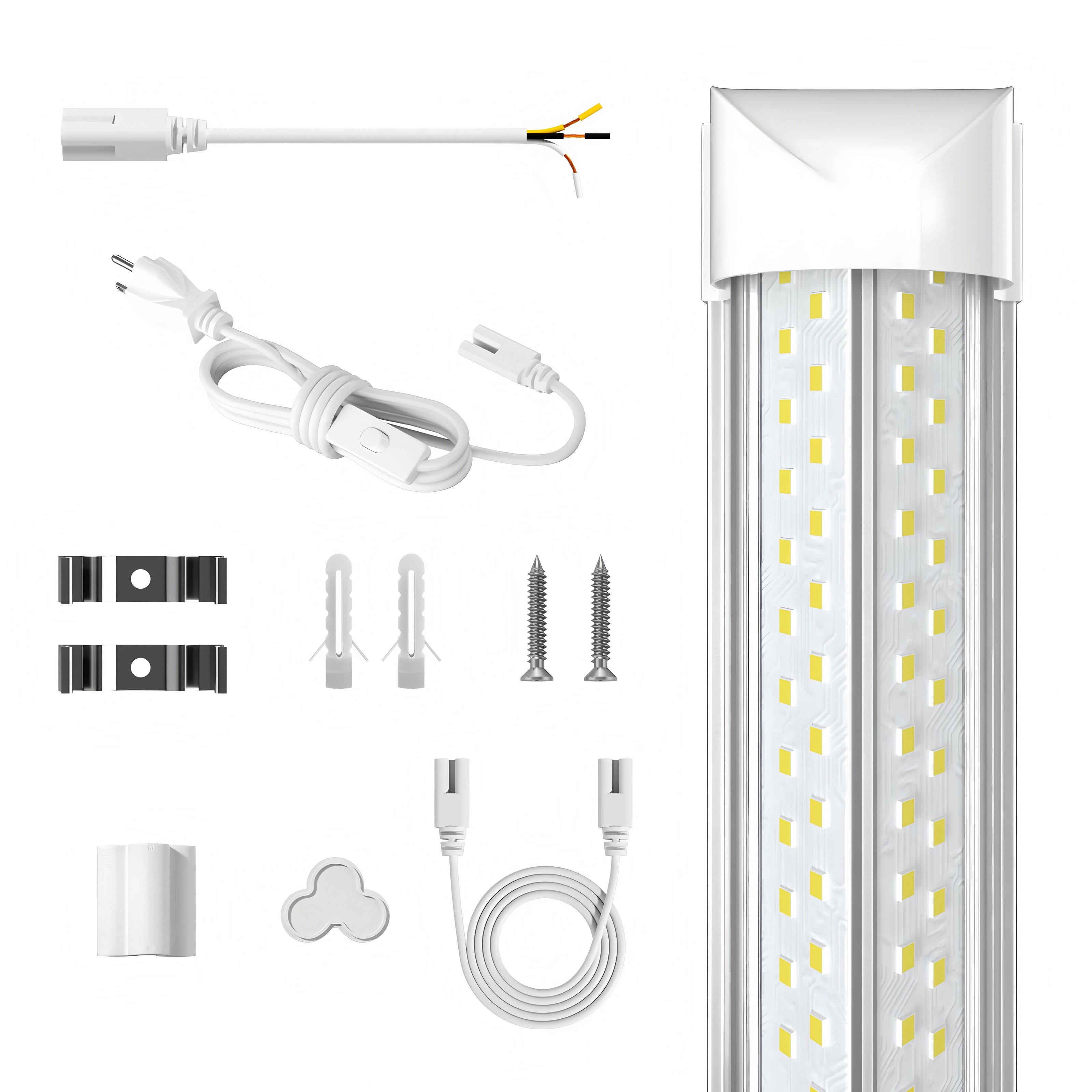
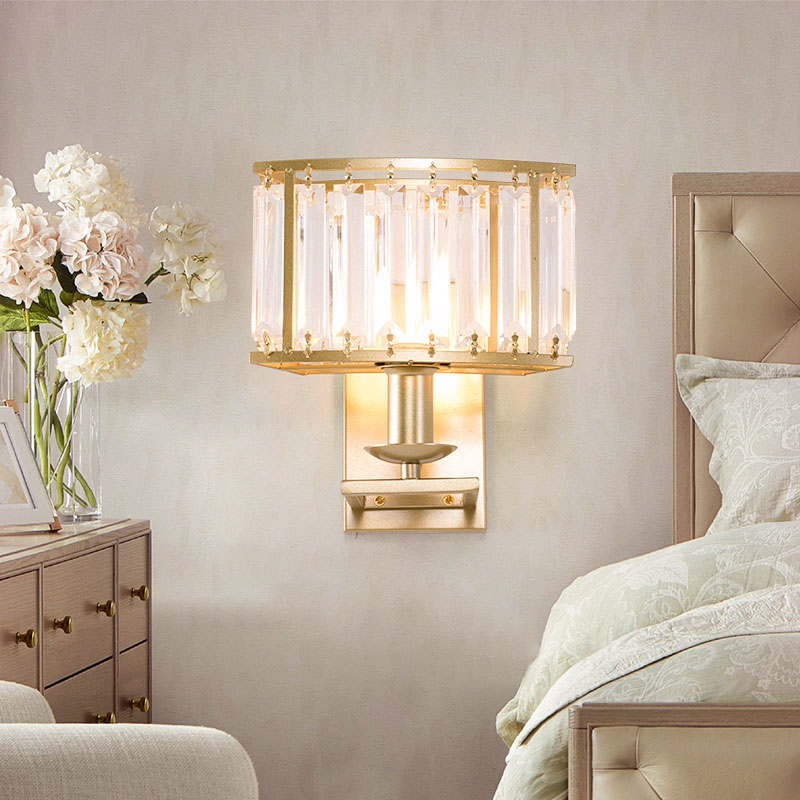
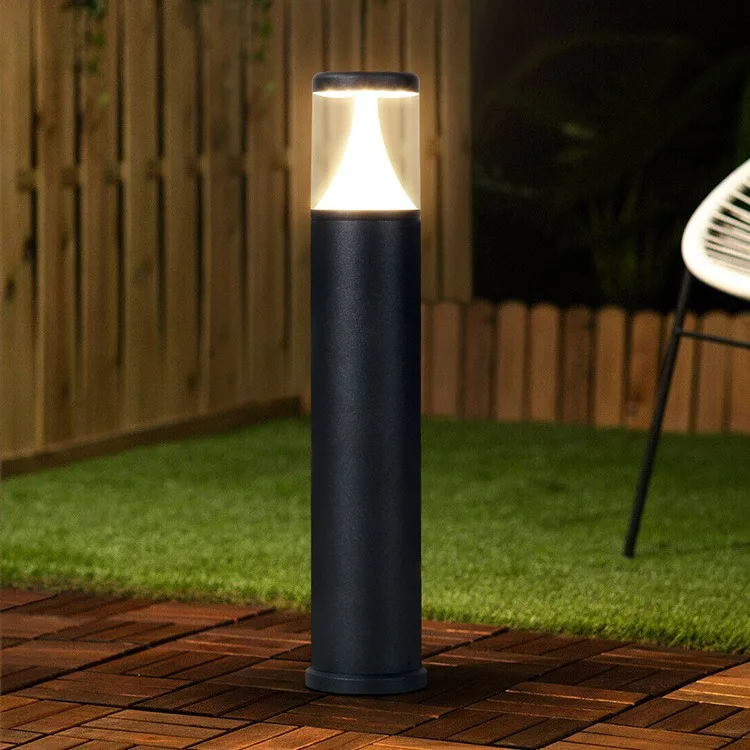
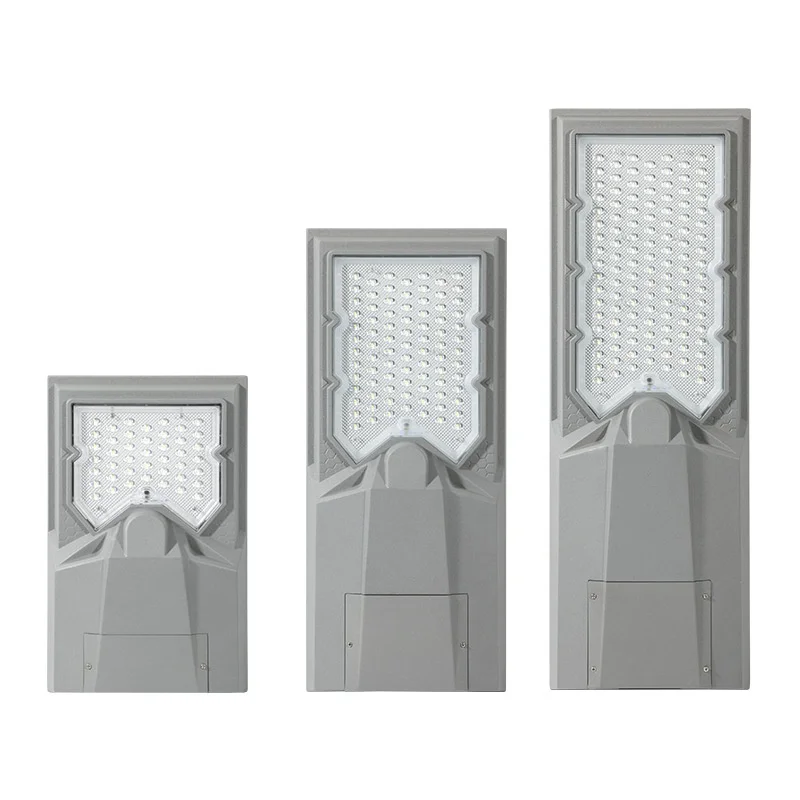
 أخبار عاجلة